Custom Backpack Cost Breakdown: Where Every Dollar Goes
A factory opens its costing sheet: fabric, hardware, labour, tooling, sampling, branding, packing, freight and duty for a custom backpack, plus 9 ways to cut cost.
"Why is the same backpack $6.80 from one factory and $11.20 from another?" is the question behind almost every first inquiry we receive. The answer is rarely margin. It is what each factory silently included - or silently left out - of the number. This guide opens our costing sheet line by line: what each component of a custom backpack actually costs, which specification decisions move the number most, and where a quotation hides risk when it looks too good.
All figures are indicative FOB factory costs in USD for a mid-size 25L custom backpack at 1,000 pieces, our most common first-order profile. Your exact numbers will differ with size, materials and quantity - use the proportions, not the absolutes. For a quote priced against your own spec, send a tech pack or request a free sample.
What Does a Custom Backpack Cost at the Factory?
At 1,000 pieces, a typical custom 25L backpack leaves our line between $5.50 and $12.00 FOB depending on specification. The headline number splits roughly like this:
| Cost block | Share of FOB | On a $8.00 backpack |
|---|---|---|
| Main fabric + lining | 28-34% | $2.45 |
| Zippers, buckles, webbing, foam | 16-22% | $1.50 |
| Direct sewing labour | 18-24% | $1.70 |
| Cutting, printing/embroidery, QC overhead | 8-12% | $0.80 |
| Packing materials | 3-5% | $0.32 |
| Factory overhead + margin | 12-18% | $1.23 |
Two things surprise most buyers. First, labour is not the biggest line - fabric is. Second, hardware is close behind labour: a backpack carries 4-8 zipper sliders, 6-10 buckles and 3-5 metres of webbing, and every one of them is a per-piece cost that never dilutes with volume the way tooling does.
Fabric: The Largest Single Line
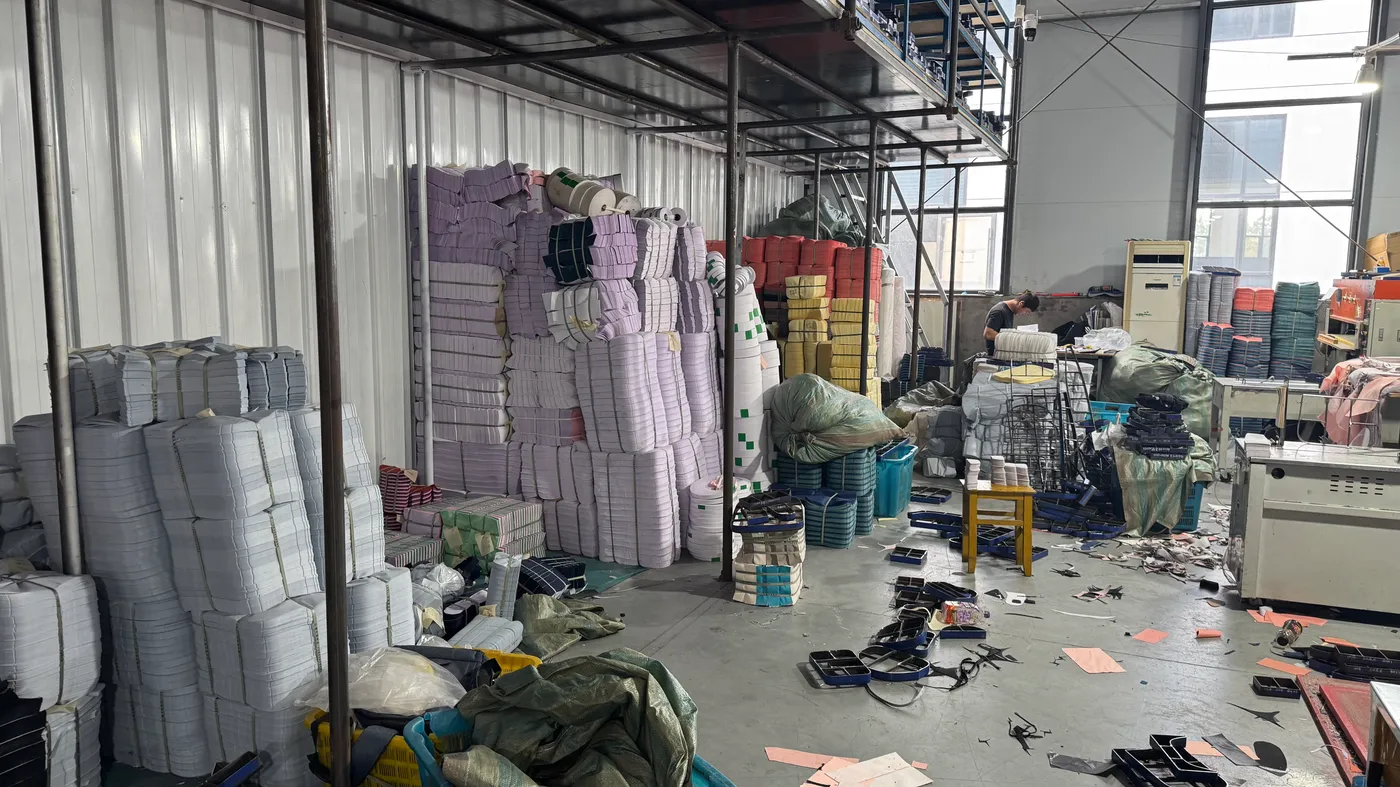
A 25L backpack consumes about 1.1 linear metres of main fabric (58" width) plus 0.9 m of lining. Fabric choice alone can move the FOB by $2 or more:
| Main fabric (PU-coated) | Cost per metre | Cost per backpack | vs 600D baseline |
|---|---|---|---|
| 600D polyester | $1.15-1.45 | $1.25-1.60 | baseline |
| 900D polyester | $1.45-1.85 | $1.60-2.05 | +$0.35-0.45 |
| 1680D ballistic polyester | $2.30-3.10 | $2.55-3.40 | +$1.30-1.80 |
| 500D Cordura-type nylon | $3.20-4.40 | $3.50-4.85 | +$2.25-3.25 |
| 300D RPET (recycled, GRS) | $1.55-1.95 | $1.70-2.15 | +$0.45-0.55 |
Three fabric decisions that quietly change the number:
- Denier is not waterproofing. Buyers upgrade 600D to 1680D "for quality" when what they actually need is a better coating. A 600D with PU×2 coating costs $0.20/m more; 1680D costs $1.20/m more. See our 600D vs 900D vs 1680D comparison for abrasion data.
- Colour count. Every additional body colour is a separate dye lot with its own minimum. Two colourways at 500 pcs each cost more per piece than one colourway at 1,000 pcs.
- Lining is not free. Upgrading 210D lining to printed 210T with your logo adds $0.15-0.30 per piece but is one of the highest perceived-value upgrades per dollar.
Hardware and Trims: The Line Buyers Underestimate
| Component | Standard | Upgraded | Delta per backpack |
|---|---|---|---|
| Main zippers (2-3) | Nylon coil, painted slider | YKK #5/#8 | +$0.60-1.10 |
| Sliders (4-8) | Plain auto-lock | Custom-logo engraved | +$0.16-0.40 |
| Buckles (6-10) | Standard POM | Duraflex-type | +$0.30-0.60 |
| Webbing (3-5 m) | 900D PP | Jacquard-woven logo | +$0.25-0.55 |
| Back foam | Flat EVA 3 mm | Moulded air-mesh channels | +$0.40-0.80 |
| Zipper pulls | Cord + heat shrink | Engraved zinc alloy | +$0.12-0.28 |
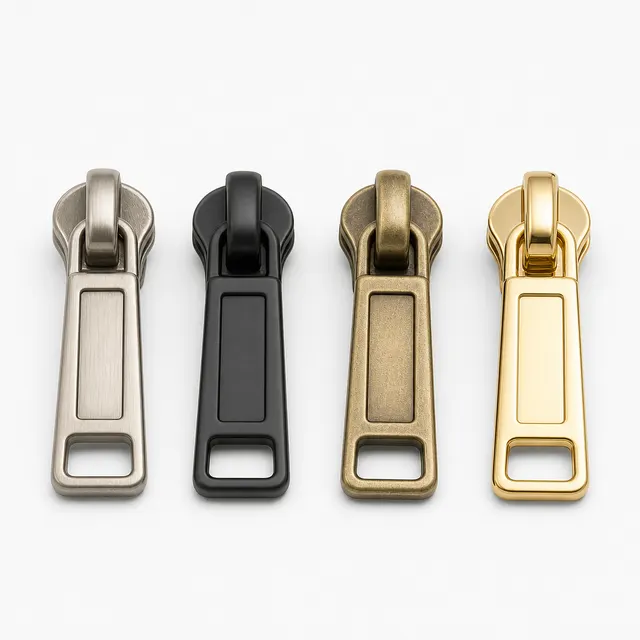
A "full YKK + custom hardware" spec adds $1.80-3.70 per piece versus standard trims. That is often the entire gap between two quotes: one factory quoted your reference photo, the other quoted your words "similar to this but good quality". A tech pack with a BOM removes that ambiguity.
Labour: What 45 Minutes of Sewing Costs
A 25L backpack takes 38-52 minutes of direct machine time across 55-75 operations. At Baigou hourly rates, that is $1.40-2.10 of direct labour at 1,000 pcs. What moves it:
| Design decision | Labour effect |
|---|---|
| Each extra zipped pocket | +3-5 min (+$0.12-0.20) |
| Curved panel seams vs straight | +10-15% total time |
| Bound inner seams vs overlock | +6-9 min (+$0.25-0.35) |
| Padded laptop sleeve | +4-6 min (+$0.16-0.24) |
| Bartacks at 8 stress points | +2 min (+$0.08) - never delete these |
Labour is also where quantity bites hardest: at 300 pcs the line never reaches rhythm and per-piece time runs ~20% higher; at 3,000 pcs it drops ~10% below the 1,000-pc baseline.
Branding: Cost per Logo Placement
Branding is priced per placement, per method:
| Method | Setup (one-off) | Per piece at 1,000 pcs | Best for |
|---|---|---|---|
| Silk-screen print, 1 colour | $25-40 per screen | $0.08-0.15 | Flat panels, big logos |
| Embroidery up to 10k stitches | $18-35 digitising | $0.25-0.55 | Premium look, textured fabrics |
| Rubber/PVC patch | $120-260 mould | $0.18-0.40 | Outdoor/tactical styles |
| Metal badge | $180-350 mould | $0.35-0.75 | Executive/laptop lines |
| Sublimation all-over print | $0 (digital) | $0.90-1.60 | Polyester only, full coverage |
| Woven label + hang tag set | $40-80 | $0.10-0.22 | Every order |

The one-off setup lines matter at small quantities: a $260 PVC-patch mould adds $0.87 per piece at 300 pcs but only $0.09 at 3,000 pcs. This is why we ask for your full quantity plan before recommending a branding method - the right answer changes with volume.
Tooling, Sampling and the Costs That Amortise
| One-off cost | Typical amount | Amortised at 1,000 pcs |
|---|---|---|
| Pattern + first sample | $0 at Senszx (free sample programme) | $0 |
| Revision samples | $0, freight on buyer | $0 |
| Print screens / embroidery digitising | $25-80 | $0.03-0.08 |
| Custom hardware moulds | $120-350 | $0.12-0.35 |
| Custom woven label loom setup | $40-80 | $0.04-0.08 |
Factories that charge $50-150 for sampling are not cheating you - they are filtering unserious inquiries. But it means comparing quotes must include sampling policy: three revision rounds at $100 each is $300 of cost before the first carton ships.
Packing and the Cost of Retail-Ready
| Packing spec | Per piece | Notes |
|---|---|---|
| Plain polybag + 5-layer export carton | $0.25-0.35 | Our default, included in FOB |
| Printed polybag with logo + barcode | +$0.06-0.12 | MOQ ~2,000 bags |
| Colour retail box | +$0.45-0.90 | Doubles carton volume - raises freight |
| Hang tag + insert card | +$0.08-0.15 | Print MOQ ~1,000 |
| Vacuum-compressed bales (stock styles) | -$0.10-0.18 | Cuts container count ~30% |
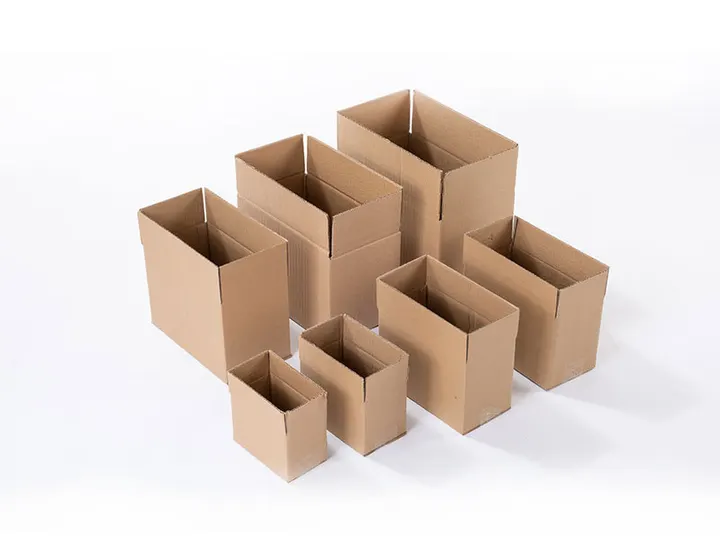
Retail boxes are the stealth cost: a $0.60 box that doubles carton volume can add another $0.50-0.90 per piece in sea freight before the box itself is counted.
Freight and Duty: After the FOB Number
FOB means you own the goods at the port of loading. What lands on top (indicative, verify current rates with your forwarder - these move monthly):
| Destination | Sea freight per piece* | Duty on backpacks | Effective landed uplift |
|---|---|---|---|
| Jeddah / Dammam (GCC) | $0.35-0.60 | 5% customs + 15% VAT | +25-32% |
| Jebel Ali (UAE) | $0.30-0.55 | 5% + 5% VAT | +15-20% |
| US West Coast | $0.45-0.80 | 17.6% (HTS 4202.92) + Sec. 301 where applicable | +35-50% |
| EU (Rotterdam) | $0.40-0.70 | 3.7% + local VAT | +25-30% |
*25L backpack ≈ 0.011-0.014 CBM packed; a 40'HC takes roughly 4,800-6,000 pcs polybagged.
The practical takeaway: a $0.80 FOB saving that comes from thinner fabric is usually erased by one warranty claim, but a $0.80 saving from smarter packing survives all the way to your shelf.
Nine Ways to Cut Cost Without Cutting Quality
- One colourway more, one fabric fewer. Consolidate SKUs onto one base fabric; colour is cheap, fabric changes are not.
- 600D + better coating instead of 1680D where abrasion data does not demand it.
- YKK on main zippers only; standard coil on interior pockets nobody stresses.
- Jacquard webbing on the front strap only; plain webbing where it is never seen.
- Screen print + one embroidery accent instead of three embroideries.
- Delete a pocket, not the bartacks. One fewer zipped pocket saves more than any stitch-count trim.
- Order 1,000 once, not 500 twice. The second 500 re-pays cutting setup and never reaches line rhythm.
- Polybag + printed tape reads retail-ready in GCC wholesale channels at a tenth of a colour box.
- Book production before your season peak - see the school-season calendar for why May pricing beats July pricing.
Red Flags in a Cheap Quote
- No BOM attached. A number without a bill of materials is a placeholder, not a price.
- "YKK-type" or "quality zipper". That word "type" is a $0.80 per-piece difference.
- Sampling free but bulk +15% later. The sample was the bait; the tech pack was never costed.
- FOB that is really EXW. Port handling, document fees and export declaration add $0.15-0.30 per piece - confirm the incoterm covers them.
- No inspection standard named. AQL 2.5 final inspection costs the factory ~$0.10 per piece. Its absence is a discount you will repay in returns.
A Worked Example: One Backpack, Line by Line
To make the shares concrete, here is the anonymised costing sheet of a real 26L laptop backpack we produced for a GCC distributor (1,000 pcs, one colourway, screen print + embroidery):
| Line | Spec | Cost |
|---|---|---|
| Main fabric | 900D polyester PU×2, 1.15 m | $1.86 |
| Contrast fabric | 600D, 0.25 m | $0.31 |
| Lining | 210D printed, 0.9 m | $0.58 |
| Foam + padding | EVA back panel + strap foam | $0.64 |
| Zippers | YKK #8 main, #5 pockets, 3 runs | $1.12 |
| Sliders + pulls | 6 auto-lock + engraved pulls | $0.58 |
| Buckles + webbing | POM buckles, 4.2 m webbing | $0.72 |
| Cutting | CNC, nested at 91% utilisation | $0.22 |
| Sewing labour | 47 min, 68 operations | $1.92 |
| Branding | 1 screen + 8k-stitch embroidery | $0.49 |
| Woven label + hang tag | $0.14 | |
| Packing | polybag + 5-layer carton | $0.31 |
| Inline + final QC | AQL 2.5 | $0.11 |
| Overhead + margin | $1.36 | |
| FOB Tianjin | $10.36 |
The distributor's landed cost in Dammam came to about $13.10 after freight, 5% duty and 15% VAT; their wholesale price was $24. The costing sheet is the negotiation: when they later needed to hit a $9.50 FOB target, we swapped the contrast panel to the main fabric, moved pocket zippers to standard coil and dropped the engraved pulls - $0.89 saved, nothing a school child ever notices.
How Quantity Changes the Price
| Quantity | Typical FOB vs 1,000-pc baseline | Why |
|---|---|---|
| 100 pcs (MOQ) | +25-40% | No line rhythm, setups amortise over few pieces, stock hardware only |
| 300 pcs | +15-22% | Partial line efficiency |
| 500 pcs | +8-12% | Cutting still sub-optimal |
| 1,000 pcs | baseline | Full line, nested cutting, all setups amortised |
| 3,000 pcs | -6-10% | Fabric bought per order lot, line at peak rhythm |
| 10,000 pcs | -12-18% | Dedicated line for the duration, negotiated fabric lot |
Note what does not scale: hardware and packing are per-piece at every volume. A buyer chasing a 10,000-pc price for a 500-pc order is really asking the factory to pre-spend fabric risk - which honest factories refuse and struggling ones accept, then recover invisibly in the BOM.
Cost by Backpack Type
Published bands from our category pages, all at 1,000 pcs, standard specs:
| Type | Indicative FOB band |
|---|---|
| School backpacks | $4.50-9.00 |
| Laptop backpacks | $8.00-16.00 |
| Hiking backpacks | $9.00-22.00 |
| Tactical backpacks | $10.00-24.00 |
| Cooler backpacks | $7.00-15.00 |
| Drawstring backpacks | $1.50-4.00 |
The spread inside each band is exactly the levers in this article: fabric grade, hardware brand, branding method, packing spec.
How to Read a Factory Quotation Line by Line
A quotation is a specification wearing a price tag. Before comparing numbers, confirm the five frames around the number - each one silently moves cost between you and the factory:
| Frame | What to confirm | Typical trap |
|---|---|---|
| Incoterm | FOB which port? EXW? CIF where? | "FOB" quoted from an inland warehouse - trucking to port billed later |
| Validity | 15, 30 or 60 days | Fabric quoted at last month's polyester price, repriced at deposit |
| Quantity basis | Per colourway or total? | 1,000-pc price quoted, then split 4 × 250 at order time |
| Tolerance | ±3% shipped quantity is standard | Exact-quantity demands force overcutting you pay for |
| Inclusions | Sample, inspection, packing, docs | Each "extra" adds $0.10-0.40 per piece after the fact |
Ask every candidate factory for the same three-line summary: unit price, what it includes, what it excludes. A factory that answers in one email usually runs its costing sheet the same way - transparently. A factory that answers "price depends, please advise target" is planning to reverse-engineer your budget rather than cost your product.
The Exchange-Rate and Raw-Material Clauses
Two inputs move backpack costs between quotation and delivery: polyester filament (tracks oil) and the USD-CNY rate. Neither is under the factory's control, and both appear in fine print:
- A quotation locked for 30 days is normal. Locked for 90+ days, the factory has either padded the price 2-3% for the risk or will find a "specification clarification" to reprice later.
- Deposit converts the currency risk to the factory; that is one of the real functions of the 30% deposit beyond commitment.
- If your programme repeats seasonally, ask for a price-review formula (e.g. ±5% raw-material index movement triggers renegotiation) instead of a fixed multi-season price. Formulas keep both sides honest; fixed long prices get quietly recovered in the BOM.
Where the Same Backpack Gets Cheaper - and Why It Should Worry You
When a quote lands 25%+ below the field on identical specs, the discount is coming from one of five places, and only the buyer finds out which one after shipment:
- Fabric substitution - "900D" woven at lower density; same label, 15% less yarn. Verifiable only with a GSM scale and a swatch from the approved sample.
- Recycled hardware resin - buckles moulded from regrind POM turn brittle in Gulf summer heat.
- Skipped processes - no inline QC, no bartacks on interior stress points, single-stitched bindings.
- Underpaid or subcontracted labour - your BSCI-audited factory quotes, an unaudited workshop sews.
- A loss-leader - real, but priced to win the first order and recover on the reorder when switching costs are high.
None of these appear on a quotation. They appear at the final inspection - or in your customer reviews. The cheapest insurance is a $0 pre-production sample cut from bulk fabric, and a named inspection standard in the PO.
MOQ Economics: Why 100 Pieces Is Possible and 50 Is Not
Buyers often read MOQ as factory stubbornness. It is arithmetic. A production run carries fixed events - pattern grading, cutting-table setup, line changeover, thread and needle changes, packing-line setup - that cost the same whether they serve 50 pieces or 5,000:
| Fixed event | Approximate cost | At 100 pcs | At 1,000 pcs |
|---|---|---|---|
| Cutting setup + marker | $40-70 | $0.55 | $0.06 |
| Line changeover (55-75 ops) | $120-200 | $1.60 | $0.16 |
| Thread/needle/folder changes | $25-45 | $0.35 | $0.04 |
| Packing line + carton setup | $20-35 | $0.28 | $0.03 |
| Total fixed burden per piece | ~$2.78 | ~$0.29 |
At 100 pieces the fixed burden is already ~$2.80 per piece on top of materials and sewing. At 50 pieces it doubles again - the backpack would cost more than many buyers' retail price. That is why our MOQ sits at 100: it is the smallest quantity where a custom product still lands at a sellable cost. Below that, the honest answer is our in-stock wholesale programme - existing designs, your logo added, from 50 pieces.
The Two-Order Trap
A related pattern we see monthly: a buyer orders 500 pcs "to test", then reorders 500 pcs six weeks later. Total spend is higher than a single 1,000-pc order by 8-12% - the second order re-pays every fixed event, fabric is bought in two smaller lots, and sea freight ships two part-cartons. If cash flow is the constraint, a better structure is one 1,000-pc production order with split shipment: one deposit, one production run, two deliveries. You pay warehousing on the second half (about $0.04-0.08 per piece per month) instead of re-paying setups.
Payment Terms as a Cost Line
Payment structure changes the effective price even when the sticker number is identical:
| Structure | Effective cost impact | Notes |
|---|---|---|
| 30/70 T/T (our standard) | baseline | 70% against B/L copy - you pay before arrival, after production |
| 50/50 T/T | +0 nominal, higher buyer risk | Some factories offer -1% for the larger deposit; weigh against exposure |
| LC at sight | +1.5-2.5% | Bank charges both sides; factories price it in |
| 30% + 70% after arrival | +2-4% where accepted | Factory finances your transit; rarely offered to new buyers |
Full details are on our payment information page. The practical rule: payment terms are negotiable after the first clean order, not before. Asking a factory to finance transit on order one reads as risk, and risk gets priced.
Landed-Cost Engineering: Duty and Classification
Backpacks generally fall under HS heading 4202 with the sub-code driven by outer-surface material - and the duty difference between "of textile materials" and "of plastics" surfaces can be several points in some markets. Three practical notes (confirm all of them with a licensed broker for your destination; classifications and rates change):
- Outer surface material governs. A PU-coated polyester can be read either way depending on coating visibility; your broker will want a fabric spec sheet, which is one more quiet use of the tech pack.
- Sets vs units. A backpack shipped with a matching pencil case inside may classify as a set at the higher of the two rates. Packing them in separate cartons can change the outcome.
- Documentation beats optimism. Under-declared values save 5% once and cost a customs audit later. GCC customs in particular cross-check declared values against platform price lists.
We provide commercial invoice, packing list, certificate of origin and any required test reports with every shipment; what we do not do is adjust declared values.
Cost Differences You Can and Cannot Negotiate
Buyers routinely negotiate the wrong lines. What the factory can actually move:
| Line | Negotiable? | Why |
|---|---|---|
| Fabric grade/brand | Yes - biggest lever | Spec decision, not margin |
| Hardware brand mix | Yes | YKK-main/standard-pocket saves $0.40-0.80 |
| Branding method | Yes | Screen print vs 3 embroideries: $0.40+ |
| Packing spec | Yes | Polybag vs retail box: $0.50-1.00 landed |
| Sewing labour rate | No | Set by the local labour market, not the salesperson |
| QC intensity | Never accept this offer | The $0.10 "saving" is the most expensive line on the sheet |
| Factory margin | Marginally | 2-4% for volume commitment or repeat schedule |
The honest negotiation is a spec negotiation. "Hit $9.50" is a brief we can work with when we may propose substitutions; "hit $9.50 without changing anything" only has dishonest answers.
The Lines Nobody Itemises: Thread, Needles, Waste and Energy
Small consumables disappear into "overhead" on most quotations, but they are real and they scale with construction complexity:
- Thread. A 25L backpack consumes 180-260 metres of sewing thread. Bonded nylon tex 70 for seams and tex 135 for bartacks runs $0.09-0.16 per backpack. Cheap spun-poly thread halves that cost and shows up as fray at the first stress test.
- Needles. Heavy fabric assemblies blunt needles; a line changes them on schedule, not on failure. Skipped needle changes appear as skipped stitches - an AQL minor defect that becomes a major when it sits on a load-bearing seam.
- Cutting waste. A good CNC marker nests panels at 88-93% fabric utilisation; a careless manual marker wastes 5-8% more fabric. On $2.45 of fabric per backpack, that carelessness is $0.12-0.20 per piece - invisible on the quote, real in the factory's cost, and eventually recovered from somebody.
- Energy and compliance. Lighting, compressors, machine power and the cost of maintaining BSCI/ISO audits sit in the overhead percentage. Factories that hold current audits carry $0.05-0.12 per piece more overhead than unaudited workshops. That is the price of your retailer accepting the shipment.
When You Order Matters: Seasonal Pricing Reality
Chinese bag factories have two demand peaks: pre-Canton-Fair spring (March-April) and the pre-Christmas/back-to-school run (June-August). The same backpack quoted in different months:
| Order placed | Line availability | Practical effect |
|---|---|---|
| January-February | Post-CNY ramp-up | Good pricing, allow +1 week while lines restaff |
| March-May | High (fair season) | Standard pricing, standard 20-day lead |
| June-August | Peak load | +3-7 days lead time; rush surcharges appear |
| September-October | Cooling | Best negotiating window for next-year programmes |
| November-December | Container crunch | Freight, not FOB, is the risk - book vessels early |
None of this changes our costing sheet arithmetic, but it changes what is negotiable. A 3,000-pc order offered to a factory in late September - when lines are hungry and next year is unbooked - gets concessions the same order cannot get in July. The school-season timeline shows the same logic from the buyer's calendar side.
From First Order to Programme: How Reorders Get Cheaper
The first order carries every one-off: sampling rounds, screen making, moulds, pattern grading, marker making, and the learning curve of a line sewing your construction for the first time. The reorder carries none of them:
| Cost element | First order | Reorder (same spec) |
|---|---|---|
| Sampling + revisions | $0 at Senszx, but 2-3 weeks calendar | $0, zero calendar |
| Screens, digitising, moulds | $65-430 one-off | $0 |
| Pattern + marker | included | $0 |
| Line learning curve | first 100-150 pcs run slow | line starts at rhythm |
| Effective per-piece delta | baseline | -4-8% at same quantity |
This is why the honest way to evaluate a factory is across two orders, not one. It is also why we keep patterns, markers, screens and approved samples archived for every customer - a reorder six months later starts from the approved standard, not from scratch. The archived golden sample is the cheapest quality system either side will ever own.
Currency, Freight Cycles and the Landed Number That Actually Matters
FOB is the number factories compete on because it is the number they control. Your business runs on the landed number, and two external cycles move it more than any factory negotiation:
- Container rates. The same 40'HC that carried ~5,500 polybagged backpacks cost radically different amounts across recent years - the swing has at times exceeded $1.00 per backpack, larger than any BOM concession in this article. When rates spike, vacuum-compressed packing (for stock styles) and tighter carton engineering recover 20-30% of the pain; that conversation belongs at quotation time, not booking time.
- Exchange rates. A 3% USD-CNY move changes factory economics by roughly the factory's entire margin on a competitive order. Long-programme buyers who agree a review formula keep suppliers stable; buyers who demand fixed prices through currency swings eventually meet the BOM again.
The takeaway is not that landed costs are unknowable - it is that a factory quoting suspiciously low FOB while staying silent on packing efficiency, carton dimensions and CBM per piece has not actually engaged with your landed cost at all. Ask every candidate for pieces per 40'HC, packed - factories that know their product answer instantly.
A Second Worked Example: Hitting a $5.20 Target on a School Backpack
The laptop-bag example above shows a mid-spec build. Here is the opposite exercise - a school-uniform supplier in Riyadh needed a 16" school backpack under $5.20 FOB at 2,000 pcs, hard ceiling, for a tender. First pass against their reference photo costed at $6.05. The redlines that got us there:
| Change | Saving | Quality consequence |
|---|---|---|
| 600D body, 300D side panels instead of full 600D | -$0.18 | None visible; sides carry no abrasion load |
| One external zip pocket instead of two | -$0.17 | Tender spec required one; the second was our assumption |
| Screen-printed school crest instead of embroidery | -$0.31 | Sharper at this artwork size; washes to 50+ cycles |
| Standard coil zippers with logo-free pulls | -$0.09 | Auto-lock retained on main compartment |
| Webbing haul loop instead of padded top handle | -$0.06 | Acceptable for the age group (grade 1-4) |
| Delete bottle-pocket elastic, keep the pocket | -$0.04 | Mesh alone holds a 500 ml bottle |
| Total | -$0.85 → $5.20 | Bartacks, back padding, strap foam untouched |
Two lines we refused to cut: the 42-stitch bartacks (the failure point on every cheap school bag) and the 100% final inspection. The tender was won, the reorder came in at 4,000 pcs the following year - and the reorder price dropped a further 4% purely from amortisation, as covered above.
The pattern to copy: give the factory the ceiling and the non-negotiables, not a demand to "make it cheaper". Cost engineering is a design discipline, and it works best before the sample is sewn - every round of value engineering after sample approval costs a revision cycle.
Where the Labour Rate Comes From: Baigou vs Guangdong vs Vietnam
"Cheap labour" explanations of bag pricing are mostly a decade out of date. What actually differs between production bases:
| Base | Character | Backpack labour cost index | Watch for |
|---|---|---|---|
| Baigou, Hebei (us) | Bag-industry cluster: 4,000+ workshops, complete local supply chain for fabric, webbing, hardware, foam | 100 (baseline) | Cluster advantage is speed: any trim is a same-day pickup |
| Guangdong (Shenzhen/Guangzhou) | Premium technical bags, stronger English-speaking sales layers | 115-135 | Same BOM often quotes 10-20% higher; better for complex technical builds |
| Jiangsu/Zhejiang | Mixed textile base, strong on luggage | 105-120 | Longer trim supply lines than a cluster town |
| Vietnam | Duty advantage into the US, growing fast | 85-100 labour, but | Imported Chinese fabric/hardware adds freight+time; small custom orders struggle below 3,000 pcs |
| Bangladesh/India | Lowest labour rates | 60-80 labour, but | Backpack-specific machinery and trims thin; long sampling loops |
The practical read for a 100-3,000-pc custom order: the labour-rate gap between bases is smaller than the supply-chain gap. A Baigou factory walks to its zipper supplier; a Vietnamese line waits two weeks for the same zipper to clear customs. For US-bound volume programmes above ~10,000 pcs, the duty math can flip toward Southeast Asia - run it with your broker, then weigh the sampling-loop cost of managing development at distance.
Design-to-Cost: Decisions That Cost Nothing at Sketch Stage
The cheapest cost engineering happens before the pattern exists. Ten design choices with outsized cost effects, all free to make at the sketch stage:
- Straight top zipper vs U-shaped opening - the U adds 30 cm of zipper, two curved seams and 4 minutes of sewing: ~$0.35.
- Symmetric panels - a left/right-identical side panel halves marker complexity and cutting errors.
- Print-friendly panel sizes - keeping the front panel under 38 cm wide fits standard screen frames; oversize art forces two-pass printing.
- Standard webbing widths (20/25/38 mm) - non-standard widths are custom-loom orders with 1,000 m minimums.
- One foam thickness where possible - each additional foam spec is another lamination setup.
- Pocket depth matching fabric roll width - a 2 cm-deeper pocket that breaks the nesting pattern can waste 4% fabric.
- Hardware count - every buckle is $0.05-0.15 plus 30 seconds of sewing; six buckles that do the work of eight is a direct saving.
- Lining colour: one for the range - per-SKU lining colours multiply dye lots.
- Bartack placement per load path, not per aesthetic - 8 correct bartacks beat 14 decorative ones on both cost and strength.
- Label position reachable on the flat panel - a label sewn after assembly (inside a finished pocket) takes 4× the time of one sewn on the flat piece.
We run this checklist against every incoming sketch during the free design-and-quote review; on a typical first design it recovers $0.40-0.90 per piece before anyone has argued about margins.
Glossary: The Costing Terms on Your Quotation
| Term | Meaning on a bag quotation |
|---|---|
| FOB (Free On Board) | Price includes delivery onto the vessel at the named Chinese port; freight and insurance beyond are yours |
| EXW (Ex Works) | Price at the factory gate; trucking, export clearance and port fees are yours |
| CIF | FOB + freight + insurance to your named port; customs clearance and duty still yours |
| BOM | Bill of materials - the priced list of every fabric, trim and component in one bag |
| GSM | Grams per square metre - fabric weight; verify against the approved swatch, not the name |
| Denier (D) | Yarn thickness (600D, 900D); higher = thicker yarn, not automatically better fabric |
| Marker | The nesting layout of pattern pieces on the fabric ply; utilisation % drives fabric waste |
| Dye lot | One batch of dyed fabric; colour varies slightly between lots, minimums apply per lot |
| AQL | Acceptable Quality Limit - the statistical pass/fail standard for inspection (we run 2.5 major / 4.0 minor) |
| CBM | Cubic metres - the volume your cartons occupy; freight is bought in CBM, not kilograms |
| Golden sample | The signed-off reference sample production must match; the cheapest dispute-prevention tool that exists |
| Tolerance | Accepted deviation: ±3% on shipped quantity, ±5 mm on major dimensions are industry standard |
Cost Profiles by Buyer Type: Same Factory, Different Sheets
The same costing sheet gets read very differently depending on who is buying. Four profiles we quote weekly, and where each one's money actually goes:
The Promotional-Products Distributor
Orders 500-2,000 pcs per event, needs a logo on a functional bag, sells against a catalogue price. The cost battle is won in three lines: 600D body, one-colour screen print, polybag packing. Everything else is over-spec. The trap this buyer falls into is the opposite - ordering the catalogue's cheapest 420D drawstring for a corporate client who expected a gift, then losing the account. Rule of thumb: promotional budgets under $3.00 belong on drawstring backpacks, $4.50-6.50 buys a respectable 600D daypack, and the gap between them is visible to every recipient.
The Private-Label Brand
Orders 1,000-5,000 pcs per SKU, sells on Amazon or Shopify at 3.5-5× landed cost, lives and dies by review scores. This buyer should spend where reviews are written: zipper feel (YKK mains, +$0.60-1.10), strap comfort (moulded foam, +$0.40-0.80) and lining print (+$0.15-0.30). And should not spend on: retail boxes (Amazon buries them in a poly mailer anyway) or engraved hardware on a first SKU. The private-label programme covers the full development path.
The School / Uniform Supplier
Orders 2,000-20,000 pcs against tenders with hard ceilings and hard deadlines. Cost profile is the $5.20 worked example above: spend on bartacks, straps and zippers a child will abuse daily; strip decorative spec without touching structure. The line this buyer must never cut is the delivery buffer - a missed school-opening date costs the contract, so the real cost engineering is ordering in May, not July.
The Outdoor / Tactical Brand
Orders 300-2,000 pcs of high-spec builds (1680D, laser-cut MOLLE, custom hardware) at $10-24 FOB. Materials run 45-55% of this sheet - fabric brand equivalence is where the money is. A "Cordura-equivalent" 500D at $3.20/m against branded at $4.40/m saves $1.30+ per bag; whether that equivalence is real is a lab-report question, not a salesman question. This buyer should insist on fabric mill test reports and pre-shipment load testing - and skip retail packaging entirely, because their channel unboxes nothing.
The 15-Minute Cost Audit Before You Sign
Print this against any quotation you are about to accept. Every "no" is a question to send back before deposit:
- Is the incoterm named with a port (FOB Tianjin, not just "FOB")?
- Is the quantity basis per colourway stated, and does it match your PO split?
- Does the quote reference a BOM - fabric denier + coating, zipper brand, buckle spec?
- Is the branding method, size and placement count itemised (not "logo included")?
- Is packing spec written (polybag type, pcs per carton, carton grade)?
- Are pieces per 40'HC packed stated, so you can price freight per piece?
- Is the inspection standard named (AQL level, who pays, re-inspection terms)?
- Is sampling policy explicit - cost, rounds included, courier terms?
- Are one-off charges (screens, moulds, digitising) listed separately from unit price?
- Is quantity tolerance stated (±3% is standard; ±10% is a red flag)?
- Is quote validity dated, with the repricing trigger defined?
- Are payment terms consistent with what the payment page of the factory publishes?
- Does the lead time state calendar basis and start trigger (deposit received vs sample approved)?
- Is there a defect remedy clause - rework, discount or replacement, and who ships?
- Does the quoted spec match your golden sample, line by line, not "as per sample" in general words?
A factory that answers all fifteen without friction has a costing sheet it is not afraid to show. That transparency, more than any single line item, is the thing you are actually buying.
What Happens to Your Inquiry: The 12-Hour Quote Timeline
Knowing how a factory builds your number helps you send an inquiry that gets a real one. Here is what happens on our side between your email and the quotation:
| Hour | Step | What speeds it up / slows it down |
|---|---|---|
| 0-1 | Sales engineer reads the brief, opens a costing sheet | A tech pack starts the sheet instantly; a lone photo starts a question list |
| 1-3 | Fabric and trim pricing pulled from current supplier lists | Standard materials price instantly; custom weaves need a mill callback (+1 day) |
| 3-5 | Pattern engineer estimates fabric consumption from dimensions | Stated dimensions = estimate; "like the photo" = assumption flagged in the quote |
| 5-7 | Sewing time estimated against operation count from similar builds | The 55-75-operation library covers most designs; novel constructions get sampled first |
| 7-9 | Branding, packing, inspection and one-offs itemised | Artwork with vector files prices exactly; "logo TBD" gets a placeholder |
| 9-12 | Manager review, margin applied, quote formatted with BOM attached | Complete briefs ship with line-item BOM; incomplete ones ship with stated assumptions |
Three inquiry habits that consistently earn better first quotes: state your quantity plan (test order + reorder intent, not just the test), name your hard ceiling if you have one, and attach anything visual - a competitor link beats three paragraphs of description. The worst brief is "best price for good quality backpack, urgent": it prices nothing, so it gets either a placeholder number or the dreaded "depends on your requirements".
Every quotation we send includes the BOM, the packing spec, pieces per 40'HC and the inspection standard - the fifteen-point audit above passes by construction. That is not marketing; it is simply what a costing sheet looks like when nothing in it needs to hide.
Frequently Asked Questions
What is the cheapest realistic FOB for a custom 25L backpack? Around $4.50-5.00 at 1,000 pcs with 600D, standard hardware and one screen print. Below that, something in the BOM you cannot see has been substituted.
How much does doubling quantity actually save? From 500 to 1,000 pcs, typically 8-12% per piece; from 1,000 to 3,000, another 6-10%. Savings come from cutting efficiency, line rhythm and amortised setups - not from fabric, which is bought per metre at every volume.
Why do quotes differ so much between factories for the same design? Different assumed BOMs (fabric grade, zipper brand), different included services (inspection, packing spec, incoterm) and different labour bases. Send the same written tech pack to every factory and the spread usually collapses to 10-15%.
Do you charge for samples? No - pattern, first sample and revisions are free under our free sample programme; you cover courier only. Custom-logo hardware samples need the mould first.
Is 100 pieces really viable for a custom backpack? Yes - that is our MOQ. Expect per-piece cost 25-40% above the 1,000-pc price and stock hardware colours. It is the right way to test a market before committing to a container.
What payment terms apply? 30% deposit to start production, 70% balance against shipping documents - details on our payment information page.
How much does custom-logo hardware add? Engraved sliders and pulls add $0.28-0.68 per piece plus a $120-350 one-off mould. At 1,000 pcs that is worth it for brands; at 100-300 pcs we usually recommend woven-label branding and stock hardware, then adding the mould on the reorder.
Does a lining upgrade change the price much? Moving from plain 210D to custom-printed lining adds $0.15-0.30 per piece and roughly 5 days for the print MOQ. It is the highest perceived-value-per-dollar upgrade on the sheet - the inside of the bag is what the end user sees every day.
What does air freight do to the numbers? Air runs $4.5-7.5/kg against sea's effective $0.35-0.60 per backpack; a 0.9 kg backpack lands $4-7 higher by air. Air is a schedule-rescue tool for a carton of salesman samples, not a shipping strategy for cartons of stock.
How do I compare two quotes with different included specs? Rebuild both onto one line: FOB + missing inclusions priced (inspection $0.10, printed polybag $0.09, port fees if EXW $0.20) + freight per piece + duty. The spreadsheet takes ten minutes and reverses roughly a third of "cheaper" decisions.
Is there a cost difference between one 3,000-pc order and three 1,000-pc orders? Yes - roughly 6-10% per piece, the three-order structure re-paying setups twice and shipping three times. If your warehouse cannot take 3,000 at once, ask about a single production run with staged shipments instead.
Why does adding one more colourway cost more than adding more pieces? Each colourway is its own fabric dye lot (with its own minimum), its own cutting markers and its own line changeover. 2 × 500 pcs in two colours costs 6-9% more per piece than 1,000 pcs in one colour. Colour is a real SKU decision, not a free option.
Do certifications like BSCI actually change the price? Audited factories carry $0.05-0.12 per piece more overhead - audit fees, compliance staffing, documented processes. If your channel is GCC government tenders, EU retail or US majors, the certificate is not optional and the uplift is the cost of the order existing at all. Our current certificates are listed on the certifications page.
Want this breakdown priced against your own design? Send your sketch or tech pack to [email protected] or WhatsApp +86 134 0044 1203 - a sales engineer returns a line-item quotation within 12 hours.
Written by
Senszx production team
Sales engineers, pattern makers and QC staff at a BSCI & ISO certified bag factory in Baigou, China, since 2006.
Keep reading
Related articles
How to Write a Backpack Tech Pack: Template & Checklist
Factory guide to writing a backpack tech pack: spec sheet, points of measure, BOM, colourways, construction, branding and packing, plus 15 gaps that delay quotes.
Wholesale School Backpacks: Bulk Sourcing Guide for 2027
How schools, uniform suppliers and distributors buy school backpacks in bulk: sizing by age, fabrics, safety standards, MOQ, pricing, lead times and QC.
How to Manufacture Custom Backpacks: Brief to Container
Factory guide to custom backpack manufacturing: tech pack, materials, sampling, cutting, branding, sewing, load tests, QC, packing, MOQ, cost and lead time.
Get in Touch
Get a Custom Bag Quote from Our China Factory
Our sales team is online around the clock and usually replies within the hour.
Email
[email protected]Factory
Qinzheng Road No.89, New Industry Zone, Baigou Town
Baoding City, Hebei Province 074004, China