Backpack CPSIA Compliance & Safety Testing: The Complete US Importer's Technical Guide
Master US backpack safety compliance: CPSIA regulations, CPC vs GCC certificates, Lead & Phthalates limits, Prop 65, tracking labels, and CPSC lab testing protocols.
Navigating United States consumer product safety regulations is the single most critical legal requirement for private-label brand owners, e-commerce sellers, and corporate procurement directors importing backpacks into the US market. Every year, millions of dollars worth of commercial bag shipments are detained, issued redelivery demands, or seized by US Customs and Border Protection (CBP) in coordination with the Consumer Product Safety Commission (CPSC) due to non-compliant lead levels, restricted phthalates in PVC coatings, missing tracking labels, or improperly executed Children's Product Certificates (CPC).
Whether you are developing an ergonomic line of elementary school backpacks, launching technical hydration packs, or scaling a private-label laptop backpack brand, achieving 100% regulatory compliance is not merely about avoiding border penalties—it protects your brand equity, shields your business from catastrophic civil product liability lawsuits, and guarantees consumer safety.
At Senszx, our bag manufacturing facility in Baigou, China has engineered, sampled, and mass-produced compliant luggage, bags, and backpacks for global brands across 100+ countries for over two decades. In this comprehensive B2B technical guide, our compliance engineering team deconstructs every layer of US backpack safety compliance, including the Consumer Product Safety Improvement Act (CPSIA), CPC vs. GCC certification frameworks, chemical limits for Lead and Phthalates, California Proposition 65, physical mechanical testing standards (ASTM F963), mandatory tracking label engineering, component part testing rules (16 CFR Part 1109), polybag suffocation warnings, CPSC port detention resolution protocols, and the newly implemented CPSC eFiling customs clearance procedures.
1. Federal Regulatory Framework: CPSIA & The CPSC
The Consumer Product Safety Improvement Act of 2008 (CPSIA) significantly expanded the authority of the Consumer Product Safety Commission (CPSC), establishing stringent mandatory standards for all consumer goods, with particularly rigorous statutory mandates for children's products.
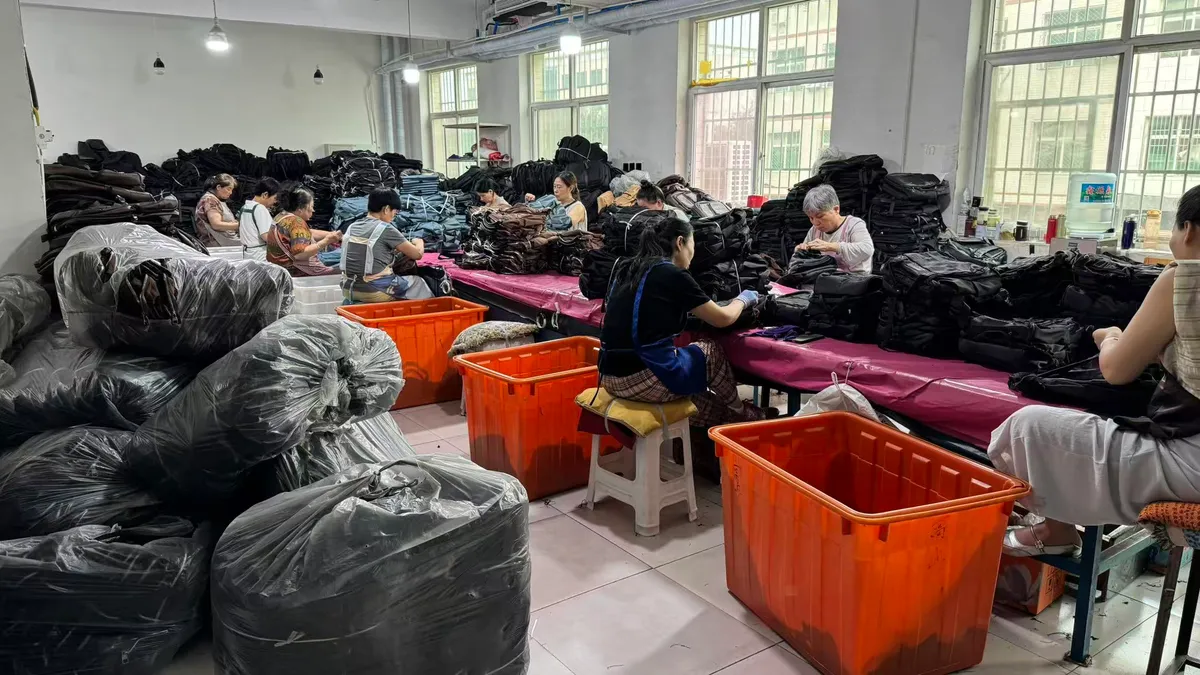
Key Statutory Definitions: Children's Product vs. General-Use Product
Under Section 235(a) of the CPSIA (codified in 15 U.S.C. § 2052(a)(2)), a "children's product" is defined as a consumer product designed or intended primarily for children 12 years of age or younger.
Determining whether a backpack falls under the children's product category or general-use category is decisive because it dictates the entire regulatory testing workflow, certificate format, laboratory accreditation mandates, and legal liability:
| Regulatory Dimension | Children's Backpacks (Ages ≤12) | General-Use Adult Backpacks (Ages 13+) |
|---|---|---|
| Target Demographics | Toddlers (Daycare), Kids (Ages 3–8), Tweens (Ages 9–12) | Teens (High School), College Students, Business Commuters, Outdoor Adults |
| Applicable Certificate | Children's Product Certificate (CPC) | General Certificate of Conformity (GCC) |
| Laboratory Testing Rule | Mandatory testing by CPSC-Accredited 3rd-Party Lab | Testing via 3rd-party lab or Reasonable Testing Program (RTP) |
| Total Lead in Substrates | Mandatory ≤100 ppm (16 CFR § 1500.87 / 1500.91) | Regulated under FHSA (Hazardous Substances Act) & Prop 65 |
| Lead in Surface Paints | Mandatory ≤90 ppm (16 CFR Part 1303) | Mandatory ≤90 ppm if painted/coated (16 CFR Part 1303) |
| Restricted Phthalates | Mandatory ≤1,000 ppm across 8 Phthalates (16 CFR 1307) | Prop 65 compliance required in California; CPSIA phthalates optional |
| Tracking Label Requirement | Mandatory permanent tracking label (CPSIA Section 103) | Recommended batch tracking; country of origin mandatory |
| Physical/Mechanical Safety | ASTM F963 / 16 CFR 1500/1501 (Small parts, sharp edges) | General structural durability and consumer safety |
| Drawstring Hazards | 16 CFR Part 1120.3 & ASTM F1816-97 strict hazard rules | Standard drawstring closures permitted |
| CPSC eFiling Status | Mandatory eFiling with CBP ACE entry | Mandatory eFiling with CBP ACE entry |
CPSC Age Determination Factors for Backpacks
If a dispute arises with US Customs regarding product classification, the CPSC evaluates four statutory factors (16 CFR Part 1200) to classify the bag:
- Manufacturer's Stated Intent & Marketing: Advertising copy, product descriptions, website categorization (e.g., "Kindergarten School Pack" vs. "Urban Laptop Rucksack"), and packaging imagery.
- Product Sizing & Ergonomic Dimensions: Torso length, shoulder strap spacing, overall bag volume (<15L typically correlates with children; >22L indicates adult/high school sizing), and total weight.
- Aesthetic & Thematic Features: Visual embellishments such as cartoon characters, glitter PVC panels, animal ears, silicone novelty zipper pullers, vibrant pastel prints, or licensed youth motifs.
- CPSC Age Determination Guidelines: The official CPSC staff publication "Age Determination Guidelines: Relating Consumer Products to the Ages of Children", which classifies bag types, functional features, and capacity benchmarks by age bracket.
Engineering Tip from Senszx: If your backpack design is intended for general all-ages use (such as a 15-inch custom laptop backpack or drawstring gym bag) but features vibrant graphics or small accessory pouches that customs officers might interpret as child-appealing, you must either strictly certify the bag under full CPC children's standards or ensure all marketing copy and packaging clearly denote adult suitability (e.g., "For ages 13 and older").
2. Chemical Safety & Heavy Metal Testing Standards
Chemical compliance is the most frequent cause of product recalls and US import border detentions in the luggage and bag industry. Because backpacks utilize synthetic polymers, dyed textiles, metal alloy sliders, and surface printing inks, every raw material component must meet strict chemical thresholds.
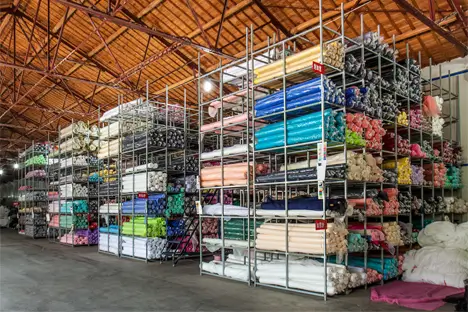
Total Lead Content Regulations
Lead is a toxic heavy metal historically used in vinyl stabilizers, synthetic dye pigments, and metal casting alloys. CPSIA enforces two distinct federal lead benchmarks:
1. Lead in Surface Coatings (16 CFR Part 1303)
- Maximum Allowable Limit: 90 ppm (0.009% by weight)
- Scope: All paints, screen printing inks, heat-transfer vinyls, polyurethane topcoats, enamel finishes on metal zipper pulls, and decorative lacquer applied to buttons or badges.
- Testing Methodology: CPSC-CH-E1003-09.1 (Standard Operating Procedure for Determining Lead in Paint and Other Similar Surface Coatings using ICP-OES or AAS).
2. Lead in Accessible Substrate Materials (CPSIA Section 101)
- Maximum Allowable Limit: 100 ppm (0.01% by weight)
- Scope: The base structural materials beneath any coating—including polyester and nylon base textiles, cotton canvas, EVA foam shoulder pads, POM plastic side-release buckles, rubber zipper grips, and zinc alloy metal D-rings.
- Testing Methodology: CPSC-CH-E1001-08.3 (for metal substrates) and CPSC-CH-E1002-08.3 (for non-metal synthetic and polymer substrates).
Statutory Lead Exemptions (16 CFR § 1500.91)
The CPSC recognizes that certain natural and pure synthetic raw materials do not inherently contain lead. Under 16 CFR § 1500.91, third-party laboratory testing for total lead is not required for the following materials, provided they have not been treated with lead-based dyes, coatings, or vinyl backings:
- Pure Textiles: 100% natural fibers (uncoated cotton, linen, silk, wool) and 100% synthetic fibers (untreated polyester, nylon, acrylic, rayon).
- Pure Woods and Natural Paper: Solid natural wood and virgin paper pulp used for hang tags and packaging boards.
- Certain Base Metals & Surgical Alloys: Precious metals and specific stainless steel formulations.
Important Caveat: While untreated 600D polyester yarn is exempt from lead testing, the moment a water-resistant PU or PVC backing is laminated to the fabric, the entire composite material loses its exemption and must undergo certified chemical digestion testing.
Phthalate Restrictions (16 CFR Part 1307)
Phthalates are chemical plasticizers added to polymers—most commonly Polyvinyl Chloride (PVC)—to increase flexibility, pliability, and transparency. Because certain ortho-phthalates act as endocrine disruptors, the CPSC permanently restricts 8 specific phthalates in children's toys and child care articles.
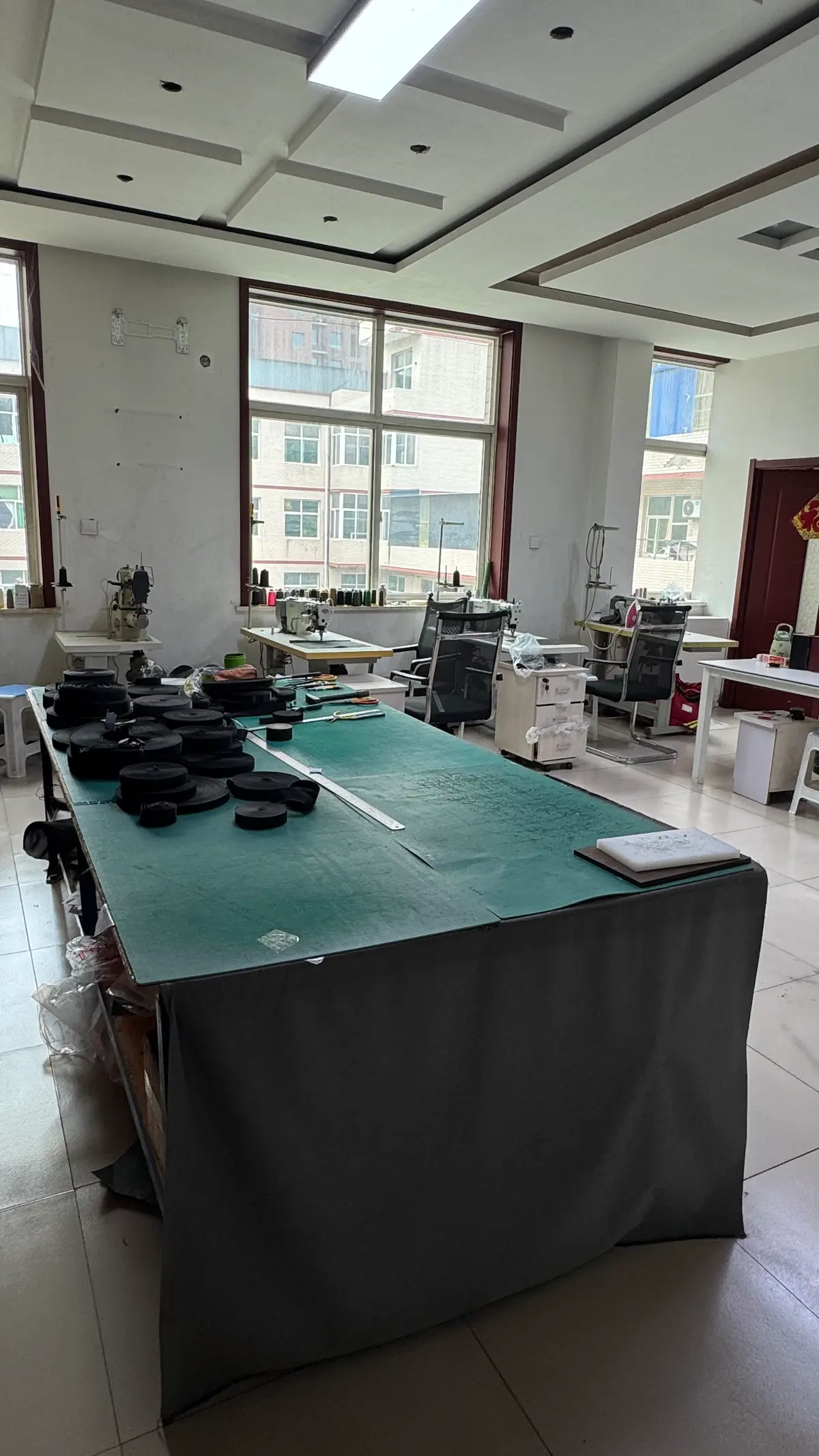
Any plasticized component of a children's backpack that can be touched by a child must not contain more than 0.1% (1,000 ppm) of any individual regulated phthalate:
| Restricted Phthalate Chemical Name | Acronym | CAS Registry No. | Common Bag Components at Risk |
|---|---|---|---|
| Di-(2-ethylhexyl) phthalate | DEHP | 117-81-7 | Low-cost PVC waterproof backing, vinyl clear ID windows, faux leather piping |
| Dibutyl phthalate | DBP | 84-74-2 | Plastisol printing inks, synthetic lacquer coatings on zipper pullers |
| Benzyl butyl phthalate | BBP | 85-68-7 | Flexible PVC badge patches, decorative high-frequency appliques |
| Diisononyl phthalate | DINP | 28553-12-0 / 68515-48-0 | Heavy-duty PVC tarp bottom panels, non-slip shoulder strap grip coatings |
| Diisobutyl phthalate | DIBP | 84-69-5 | Flexible plastic cord locks, molded pull tabs, soft PVC zipper garages |
| Di-n-pentyl phthalate | DPENP | 131-18-0 | Industrial polymer plasticizers in generic vinyl films |
| Di-n-hexyl phthalate | DHEXP (DnHP) | 84-75-3 | Coated waterproof dry-bag membranes, rubberized grab handles |
| Dicyclohexyl phthalate | DCHP | 84-61-7 | Synthetic resin additives in heat-seal adhesives and sealants |
How Senszx Eliminates Phthalate Risk in OEM Production
To guarantee that your custom bags achieve zero phthalate contamination:
- 100% Phthalate-Free TPU & TPE Upgrades: We replace traditional PVC coatings with Thermoplastic Polyurethane (TPU) or Thermoplastic Elastomer (TPE) for water-resistant laminations and waterproof zippers.
- Silicone & PU Trim Substitution: We produce brand logos using 100% medical-grade silicone or genuine debossed leather rather than flexible PVC patches. Review our custom zipper pulls and buckles guide for compliant hardware options.
- Plastisol-Free Water-Based Inks: All screen printing on school and promotional bags is executed using eco-friendly water-based polyurethane inks or sublimation dyes free of toxic plasticizers.
3. California Proposition 65 & PFAS Regulations
In addition to federal CPSIA requirements, US importers must satisfy state-level environmental and consumer safety statutes. The most prominent is California's Safe Drinking Water and Toxic Enforcement Act of 1986 (Proposition 65), alongside emerging state restrictions on Per- and Polyfluoroalkyl Substances (PFAS).
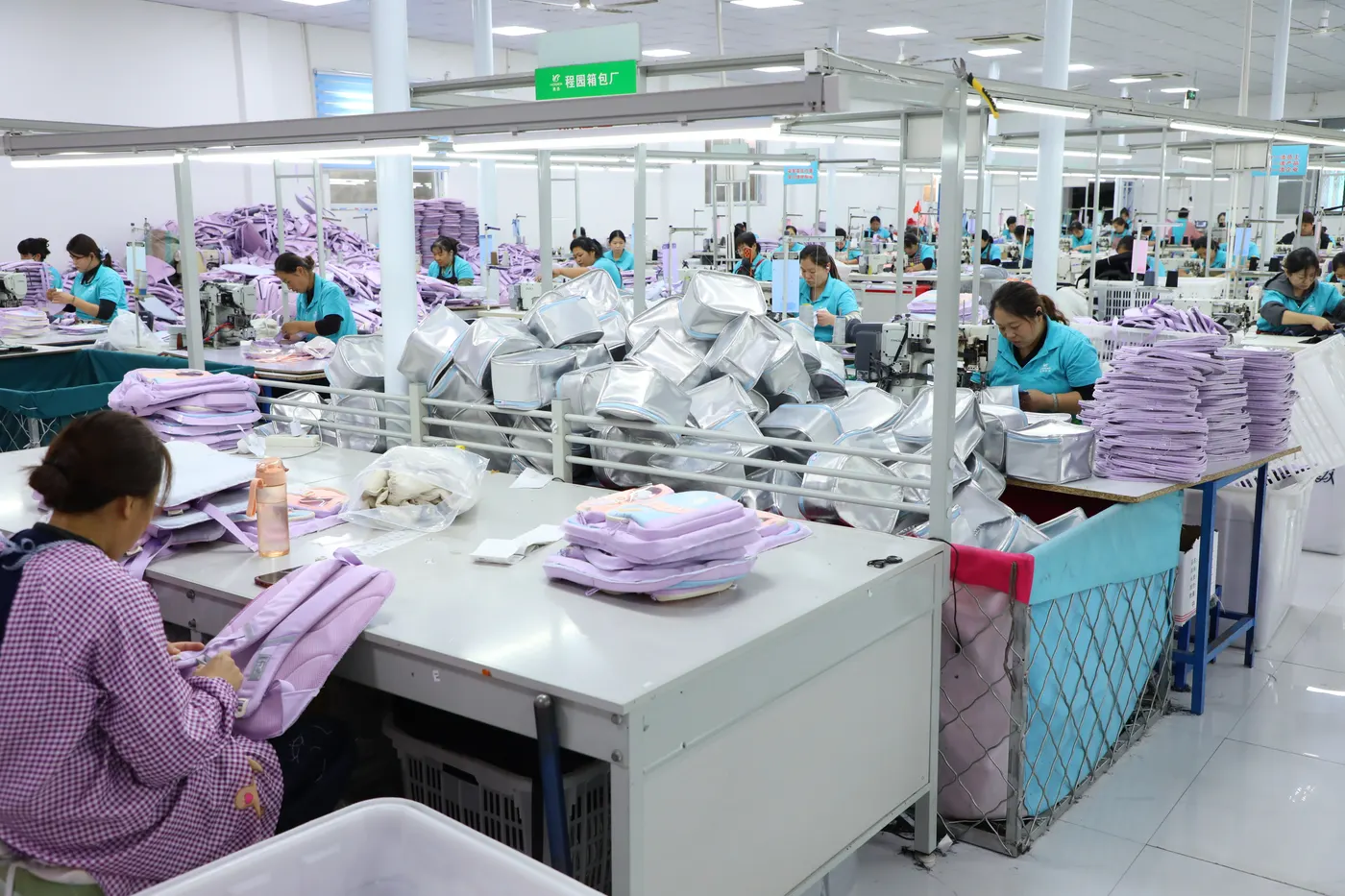
California Proposition 65: The Sourcing Reality for Bag Importers
Unlike the CPSIA, which restricts sales based on federal product categories, Proposition 65 applies to all consumer products sold to residents of California, regardless of age bracket (covering children, teens, and adults alike).
Prop 65 maintains a dynamic list of over 900 naturally occurring and synthetic chemicals known to cause cancer, birth defects, or other reproductive harm.
Prop 65 Settlement Benchmarks for Luggage & Bags
Rather than setting universal statutory limits, Prop 65 enforcement is driven by private citizen lawsuits and court-approved consent judgments. Over two decades of legal settlements involving bags, backpacks, and accessories have established practical "Safe Harbor" settlement thresholds:
- Lead in PVC / Synthetic Leather: ≤100 ppm (substrate) and ≤90 ppm (surface coatings).
- Cadmium in Metals and Plastics: ≤300 ppm (total content).
- Phthalates (DEHP, DBP, BBP, DINP, DIDP, DnHP): ≤1,000 ppm (0.1%) individually in vinyl, PU leather, and plastic trims.
Warning Label vs. Reformulation Strategy
As a brand owner, you have two strategic compliance paths under Prop 65:
                                  PROPOSITION 65 STRATEGY
                                             │
                    ┌────────────────────────┴────────────────────────┐
                    ▼                                                 ▼
        PATH A: Complete Reformulation                  PATH B: On-Product Warning Label
        • Source 100% Phthalate-Free TPU/Silicone        • Sew or stick a compliant Prop 65 Warning:
        • Use certified lead-free zinc alloys           "⚠️ WARNING: This product can expose you
        • Laboratory chemical proof ≤100 ppm lead        to chemicals including DEHP, which is
        • Zero legal exposure in California              known to the State of California to cause
        • Preferred by premium & corporate retail        cancer and birth defects. www.P65Warnings.ca.gov"
Senszx Manufacturing Standard: For all US-bound OEM productions, Senszx defaults to Path A (Full Reformulation). By building our supply chain around REACH- and OEKO-TEX-certified raw materials, we eliminate the need for unsightly Prop 65 warning labels that can depress e-commerce conversion rates and retail buyer interest. Learn more about our factory quality assurance protocols.
PFAS "Forever Chemicals" State Bans (2025–2026 Mandates)
Per- and Polyfluoroalkyl Substances (PFAS) have historically been used in Durable Water Repellent (DWR) finishes applied to nylon and polyester backpack fabrics.
Beginning in 2025 and accelerating through 2026, states including California (AB 1817 / Health & Safety Code § 108970), New York, Maine, and Washington have enacted strict prohibitions against the manufacture, distribution, and sale of textile articles containing regulated PFAS:
- California AB 1817 Limit: Prohibits apparel and textile articles containing intentionally added PFAS, or containing total organic fluorine exceeding 100 ppm (dropping to 50 ppm by 2027).
- Senszx Solution: We offer certified C0 (PFC-Free / Non-Fluorinated) Durable Water Repellent finishes across our entire 600D, 900D, 1680D polyester, and 420D/840D Cordura-type nylon fabric catalog, ensuring seamless compliance across all 50 states. Explore material performance in our custom fabrics technical guide.
4. Physical & Mechanical Safety Testing (ASTM F963 & 16 CFR)
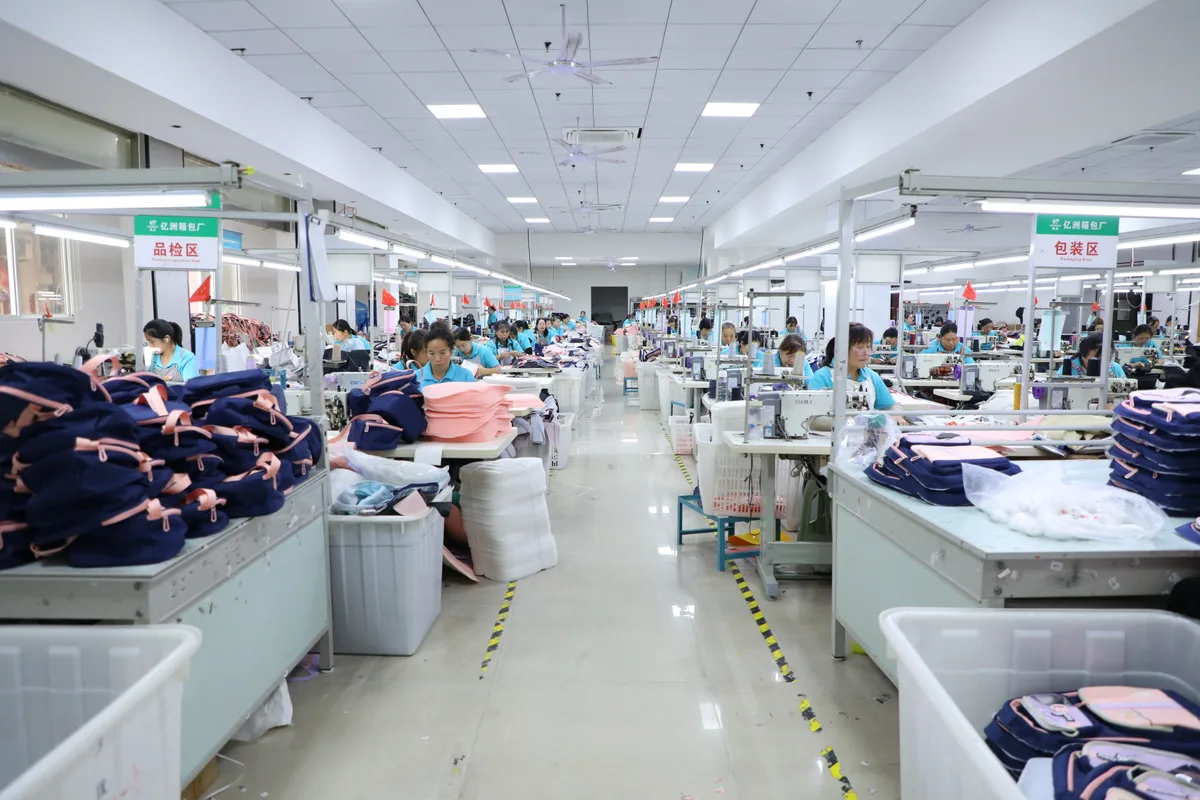
Chemical safety represents only half of the CPSIA testing equation. Children's backpacks must also undergo rigorous physical and mechanical abuse testing to ensure that components do not snap, detach, create sharp edges, or present choking hazards during daily use.
Key Physical Safety Standards for Children's Backpacks
Third-party testing laboratories evaluate children's backpacks under the following ASTM and CPSC protocols:
1. Small Parts & Choking Hazard (16 CFR Part 1501)
- Application: Mandatory for bags intended for children under 3 years old; highly scrutinized for children aged 3 to 6.
- Protocol: Any component (zipper puller, rubber badge, plastic bead, decorative snap, cord lock toggle) that detaches during tension or torque testing must not fit entirely within the standard CPSC Small Parts Cylinder (1.25 inches in diameter by 2.25 inches in depth).
2. Sharp Points & Sharp Edges (16 CFR § 1500.48 & 16 CFR § 1500.49)
- Protocol: Metal zipper teeth, wire frames, strap buckles, and moulded plastic components are tested against calibrated sharp-point and sharp-edge testers to verify they cannot puncture or lacerate skin during normal handling or foreseeable abuse.
3. Tension, Torque, and Drop Abuse Testing (16 CFR § 1500.51 - 1500.53)
- Tension Test: Pulling forces of 15 to 21 lbs (67 to 93 N) are applied to all exterior attachments (zipper sliders, sewn badges, handle rivets, webbing adjusters) for 10 seconds.
- Torque Test: Rotational force of 2 to 4 in-lbs (0.23 to 0.45 Nm) is applied to rigid projections.
- Drop Test: The loaded backpack is dropped 4 to 10 times from a height of 3 to 4.5 feet onto an impact-absorbing concrete surface to ensure no structural fragmentation occurs.
4. Flammability of General Wearable & Textile Items (16 CFR Part 1610)
- Protocol: 45-degree angle flammability flame spread rate testing. Flat-woven and plain-surface nylon/polyester fabrics weighing over 2.6 ounces per square yard (88 g/m²) are generally exempt as Class 1 textiles due to their inherent rapid self-extinguishing characteristics.
Comprehensive Backpack Testing Standards Matrix
To help your sourcing team prepare technical specifications, our engineering department has mapped out the full spectrum of mechanical, chemical, and functional testing standards:
| Test Parameter | US Standard / Regulation | EU / International Standard | Senszx In-House QC Benchmark |
|---|---|---|---|
| Total Lead in Paint | 16 CFR Part 1303 (≤90 ppm) | REACH Annex XVII Item 63 | Non-detectable (<10 ppm) |
| Total Lead in Substrates | CPSIA Section 101 (≤100 ppm) | REACH Annex XVII Item 63 | Non-detectable (<20 ppm) |
| 8 Regulated Phthalates | 16 CFR Part 1307 (≤1,000 ppm) | REACH Annex XVII Item 51/52 | 100% Phthalate-free TPU/Silicone |
| Small Parts Hazard | 16 CFR Part 1501 / ASTM F963 | EN 71-1 | 0 small parts detached @ 21 lbs pull |
| Sharp Points & Edges | 16 CFR § 1500.48 / 1500.49 | EN 71-1 | 100% deburred radius on all trims |
| Drawstring Snag Safety | 16 CFR Part 1120.3 / ASTM F1816 | EN 14682 | Breakaway clip releases @ <10 lbs |
| Shoulder Strap Seam Pull | ASTM D1683 (Seam Integrity) | ISO 13935-2 | >35 kg (343 N) dynamic shock load |
| Top Grab Handle Tensile | In-house drop & static load test | QB/T 1333-2018 | >25 kg (245 N) static hold for 24h |
| Zipper Cross-Seam Strength | ASTM D2061 (Zipper Strength) | ISO 5971 / BS 3084 | #5: >500 N; #8: >750 N; #10: >1000 N |
| Zipper Reciprocating Cycle | ASTM D2062 (Operability) | QB/T 2171-2014 | >5,000 smooth cycles without tooth split |
| Fabric Tensile & Tear | ASTM D5034 (Grab) / D2261 (Tear) | ISO 13934-1 / ISO 13937-2 | Warp: >1200 N; Weft: >950 N (600D) |
| Colorfastness to Crocking | AATCC 8 / AATCC 116 | ISO 105-X12 | Dry: Grade 4.5+; Wet: Grade 4.0+ |
| Colorfastness to Light | AATCC 16.3 (Xenon Arc) | ISO 105-B02 | Grade 4.0+ after 40 standard hours |
| Water Repellency (Spray) | AATCC 22 (Spray Test) | ISO 4920 | Grade 90–100 (C0 Eco-DWR finish) |
| Hydrostatic Head Pressure | AATCC 127 | ISO 811 | >1,500 mm (PU) / >10,000 mm (TPU) |
5. Mandatory Tracking Labels: Engineering & Layout Rules
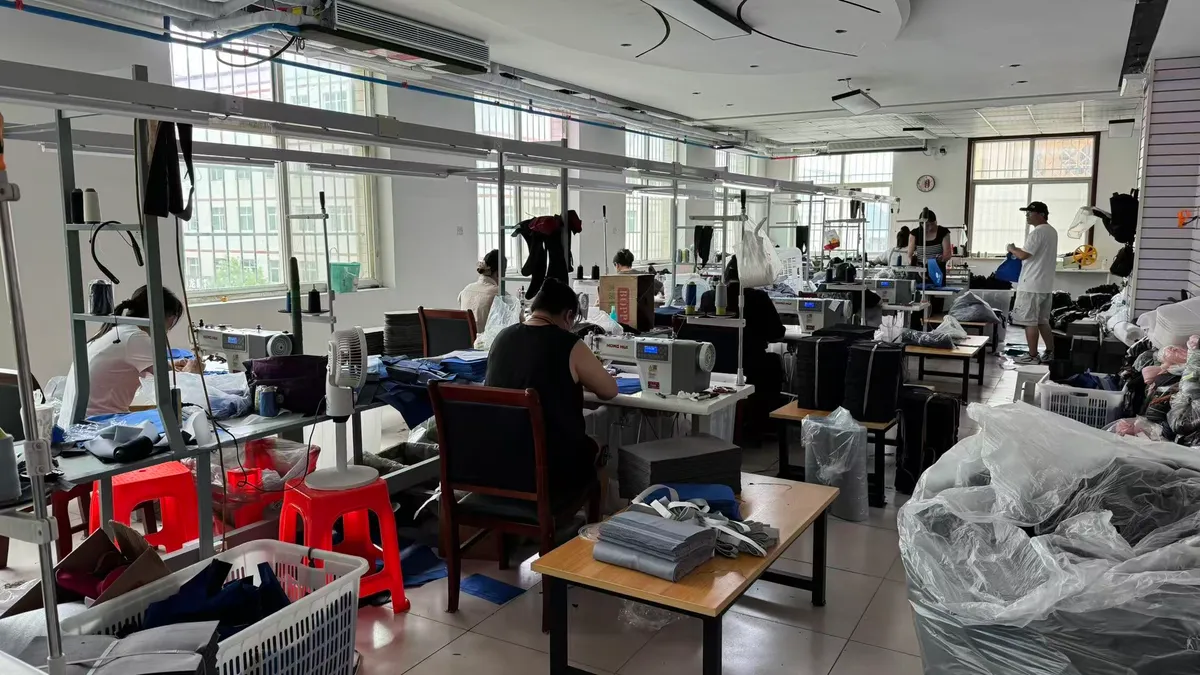
Under Section 103 of the CPSIA (15 U.S.C. § 2063(a)(5)), manufacturers and private-label brand owners must place a permanent distinguishing mark or tracking label on all children's products and their packaging.
A missing or illegible tracking label is an immediate ground for CPSC seizure at US ports of entry.
The 5 Statutory Tracking Label Elements
The law requires that the tracking label contain specific identifying information to enable the manufacturer and ultimate consumer to ascertain the origin of the product if a recall occurs:
- Name of Manufacturer or Private Labeler: The legal entity name or registered brand name.
- Location of Production: The country, province/state, and city where final assembly took place (e.g., "Manufactured in Baigou, Hebei, China").
- Date of Production: The month and year of final assembly (e.g., "Date: October 2026").
- Cohort / Batch / PO Number: A detailed production lot identifier linked directly to the factory's raw material batch records (e.g., "Batch/PO: SZ-202610-US01").
- Product Identification Code: Style number or SKU enabling traceability (e.g., "Style: BP-KID-802").
┌─────────────────────────────────────────────────────────────┐
│                    CPSIA TRACKING LABEL                     │
│                    (Permanent Sewn-In)                      │
│                                                             │
│  BRAND: [Your Registered Brand Name, LLC]                   │
│  STYLE: Urban Kids Ergonomic Pack (SKU: UKP-01)             │
│  MANUFACTURED BY: Senszx Luggage & Bag Co., Ltd.            │
│  LOCATION: Baigou Industrial Zone, Hebei, China             │
│  DATE OF MANUFACTURE: October 2026                          │
│  LOT / PO NUMBER: PO-2026-US-8942                           │
│  COMPLIANCE: Complies with CPSIA & 16 CFR Part 1307         │
│  COUNTRY OF ORIGIN: Made in China                           │
│                                                             │
│  [2D Data Matrix / QR Code linking to digital CPC file]    │
└─────────────────────────────────────────────────────────────┘
Physical Label Construction & Permanence Rules
The tracking label must be permanent, meaning it must remain legible for the entire anticipated lifespan of the backpack:
- Acceptable Formats: High-density damask woven labels stitched directly into the interior main lining seam, printed satin care labels with indelible thermal ink, or heat-sealed TPU labels. Discover our complete OEM manufacturing and branding capabilities.
- Unacceptable Formats: Removable hang tags, adhesive paper stickers on the bag fabric, or easily torn tear-away paper labels. (Note: The outer packaging must also display tracking information, which can be printed on the retail box or polybag).
6. CPC vs. GCC: Drafting Compliant Certificates
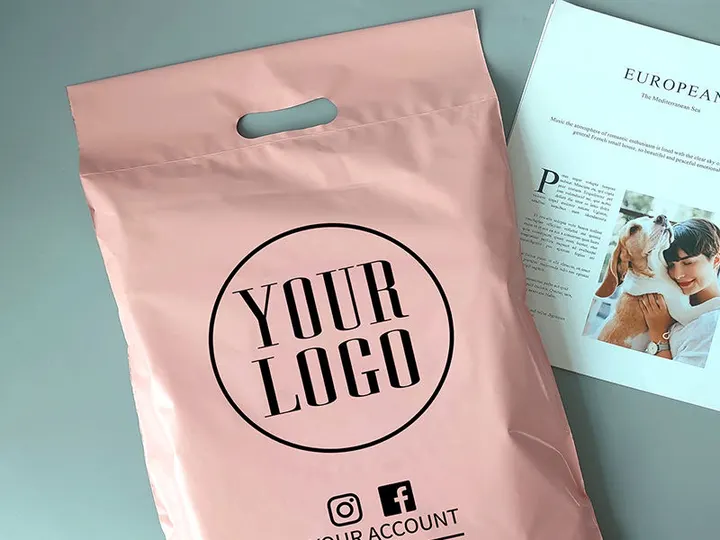
Every commercial shipment of backpacks imported into the United States must be accompanied by a legally compliant certificate of conformity.
Structure of a Children's Product Certificate (CPC)
A Children's Product Certificate (CPC) is an official legal document issued by the US importer (or domestic manufacturer) certifying that the children's backpack complies with all applicable safety rules.
A valid CPC must contain exactly 7 required statutory sections:
CHILDREN'S PRODUCT CERTIFICATE (CPC)

1. Identification of the product covered by this certificate:
   Model Name: Junior Explorer School Backpack
   Style / Item No.: JEP-402 (Colorways: Navy, Coral, Camo)
   Description: 100% 600D Polyester Kids School Backpack (Ages 6-12)

2. Citation to each CPSC product safety regulation to which this product is being certified:
   - 15 U.S.C. § 1278a / CPSIA Section 101: Total Lead in Substrates (≤100 ppm)
   - 16 CFR Part 1303: Total Lead in Surface Paints & Coatings (≤90 ppm)
   - 16 CFR Part 1307: Prohibition of Children's Toys and Child Care Articles Containing Specified Phthalates (≤1,000 ppm)
   - 16 CFR Part 1500.48 / 1500.49: Sharp Points and Sharp Edges
   - 16 CFR Part 1501: Method for Identifying Toys and Other Articles Intended for Use by Children Under 3 Years of Age (Small Parts)
   - 15 U.S.C. § 2063(a)(5) / CPSIA Section 103: Tracking Labels for Children's Products

3. Identification of the US importer or domestic manufacturer certifying compliance:
   Company Name: North American Gear Imports, LLC
   Address: 1200 Commerce Blvd, Suite 400, Los Angeles, CA 90015, USA
   Phone: +1 (213) 555-0199
   Email: [email protected]

4. Contact information for the individual maintaining records of test results:
   Full Name: Robert M. Henderson, Director of Quality Assurance
   Company: North American Gear Imports, LLC
   Address: 1200 Commerce Blvd, Suite 400, Los Angeles, CA 90015, USA
   Phone: +1 (213) 555-0199 ext. 204
   Email: [email protected]

5. Date and place where this product was manufactured:
   Date of Manufacture: October 2026
   Place of Manufacture: Baigou Town, Gaobeidian City, Hebei Province, China

6. Date and place where the product was tested for compliance:
   Testing Date: October 14, 2026 - October 19, 2026
   Testing Location: Shenzhen, Guangdong Province, China
   Test Report Number: SZ-CPSC-20261019-8421

7. Identification of the CPSC-accepted third-party laboratory on whose testing the certificate depends:
   Laboratory Name: SGS-CSTC Standards Technical Services Co., Ltd.
   CPSC Laboratory ID Number: 1052
   Address: SGS Bldg, No. 4, Jianghao Industrial Park, Bantian, Longgang District, Shenzhen, China
   Phone: +86 (0755) 2532 8888
General Certificate of Conformity (GCC) for Adult Backpacks
For adult backpacks (tactical backpacks, travel backpacks, laptop backpacks, and corporate bags), a General Certificate of Conformity (GCC) is issued.
While structurally similar to a CPC, a GCC:
- Does not require testing by an accredited third-party lab (testing may be done through a factory's internal testing program or supplier component certificates).
- Cites general safety rules (e.g., 16 CFR 1303 for surface coatings, flammability, and state-level Prop 65 compliance).
- Does not require CPSIA Section 103 children's tracking labels.
7. CPSC eFiling Integration: US Customs Clearance in 2026
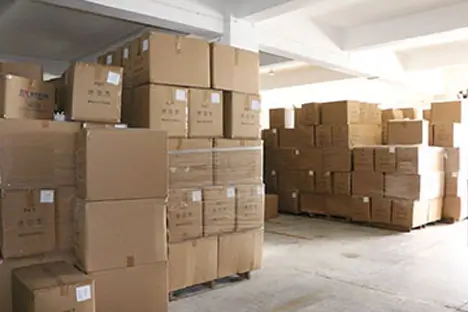
The CPSC's Electronic Filing (eFiling) system represents the most significant technological transformation in US import compliance in over a decade.
What is CPSC eFiling?
Under the CPSC eFiling mandate, importers of regulated consumer products—including children's backpacks and bags—must electronically submit targeting certificate compliance data to US Customs and Border Protection (CBP) via the Automated Commercial Environment (ACE) before or at the time of entry filing.
                          CPSC eFILING DATA FLOW & CUSTOMS CLEARANCE
                                              │
    ┌─────────────────────────────────────────┴─────────────────────────────────────────┐
    ▼                                                                                   ▼
STEP 1: Testing & Cert Creation                                             STEP 2: eFiling Option Selection
• CPSC Lab issues test report                                                Option A: CPSC Product Registry
• Importer creates CPC certificate                                           • Pre-enter cert data into CPSC database
• Extract: Lab ID, Rules, Date, Place                                       • Generate unique Product Registry ID (PGA)
                                                                             Option B: Full Direct ACE Filing
                                                                             • Customs broker enters raw data per entry
                                              │
    ┌─────────────────────────────────────────┴─────────────────────────────────────────┐
    ▼                                                                                   ▼
STEP 3: Customs Entry Filing (ACE)                                          STEP 4: Real-Time CBP Clearance
• Broker files 7501 Entry Summary                                           • Automated CPSC risk engine cross-checks:
• Transmits CPSC PGA Message Set                                              - Lab ID matches accredited list?
  - Product Registry ID (or raw cert fields)                                  - Certified rules match HTS code?
  - HTS Code (e.g., 4202.92.31)                                              - Certificate date precedes ship date?
  - Importer / Lab details                                                  • Result: INSTANT "MAY PROCEED"
The 5 Required eFiling Data Elements
When your customs broker files your import entry, they must transmit the following 5 data elements for every regulated SKU in your shipment:
- Identification of the Finished Product: Product description, model/style number, SKU, and GTIN/UPC.
- Each Applicable CPSC Safety Rule: The specific CFR citations (e.g., 16 CFR 1303, 16 CFR 1307, CPSIA Sec 101).
- Date and Place of Manufacture: Month/year and exact country/city of final assembly.
- Date and Place of Most Recent Testing: Date range and laboratory facility city/country.
- CPSC-Accepted Third-Party Laboratory ID: The unique numerical identifier assigned by the CPSC to the testing facility (e.g., SGS Shenzhen ID: 1052).
Crucial Compliance Rule: If your customs entry is submitted without the CPSC PGA Message Set, or if the cited third-party lab ID does not match the CPSC's active accredited list for the specified safety rules, the shipment will be automatically flagged with a CBP Hold (Intensive Examination / Redelivery Notice).
8. Component Part Testing Rule (16 CFR Part 1109): Cost-Optimization Engineering
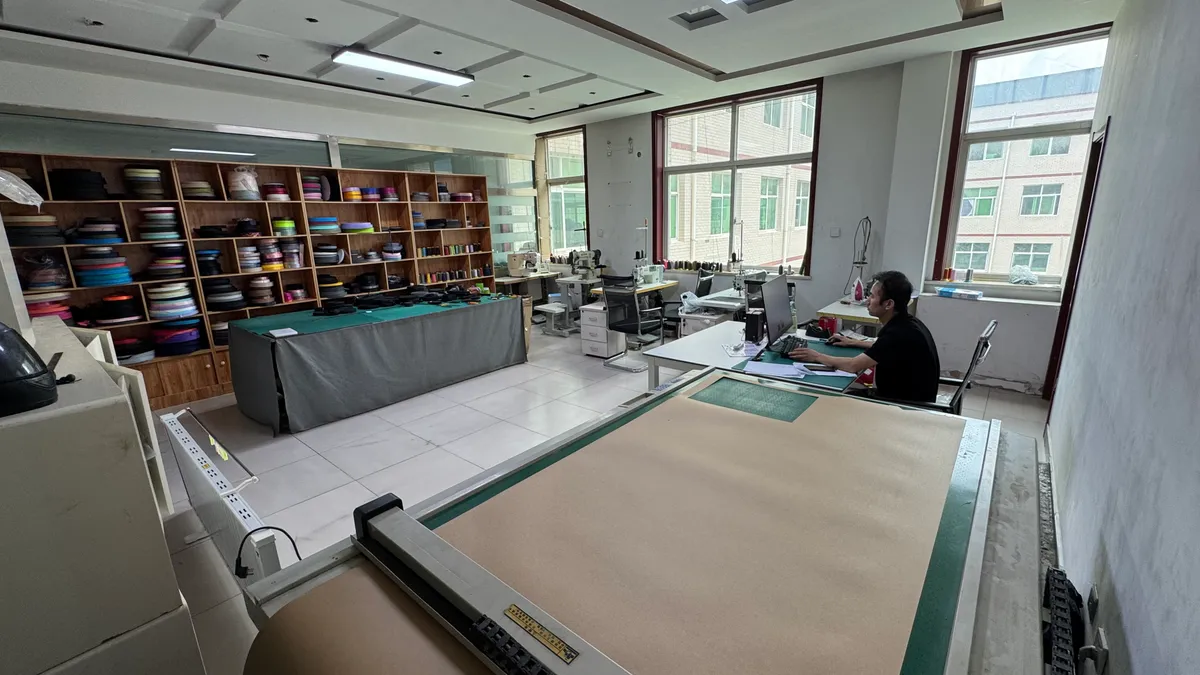
A major operational headache for bag importers is the financial burden of testing every individual SKU and colorway. Under CPSC regulations, importers can take advantage of 16 CFR Part 1109 (Component Part Testing Rule) to dramatically reduce laboratory testing expenses while maintaining ironclad legal compliance.
How Component Part Testing Works
Under 16 CFR Part 1109, a finished product manufacturer or importer is legally permitted to certify a children's product based on testing of individual component parts (e.g., the raw fabric, zipper chain, or plastic buckle) rather than destroying dozens of finished bags in testing:
- Upstream Material Testing: Senszx or our certified raw material mills submit large master production rolls of 600D polyester, 210D lining, and zinc zipper pullers to an accredited laboratory for Lead, Phthalates, and Heavy Metals testing.
- Component Certificates: The laboratory issues component-level test reports certifying that the specific material lots comply with 16 CFR Part 1303 and 16 CFR Part 1307.
- Finished Good Assembly: Senszx manufactures your finished backpacks using these pre-tested and documented component lots under strict traceability controls.
- CPC Certification Assembly: Your compliance team references the component test reports and CPSC Lab IDs directly on your finished product CPC.
Statutory Requirements for Exercising 16 CFR Part 1109 Due Diligence
To legally rely on component part testing without risking CPSC rejection, importers must establish and maintain a documented Due Diligence and Recordkeeping System:
- Traceability Records: Maintain documentation linking the specific purchase order and batch number of the finished bags directly to the raw material roll and lot numbers.
- Integrity of Components: Ensure that subsequent manufacturing operations (such as high-heat seam sealing, screen printing, ultrasonic welding, or chemical washings) do not alter the chemical properties or introduce prohibited contaminants into the pre-tested components.
- 5-Year Record Retention: Keep all component test reports, certificates of conformity, and production tracking records on file for a minimum of 5 years from the date of importation.
| Testing Strategy | Cost per SKU / Colorway | Turnaround | Sample Destruction | Compliance Defense |
|---|---|---|---|---|
| Finished Bag Testing | $650 – $1,450 per SKU | 5–7 Days | 3–5 Finished Bags Destroyed | Direct physical proof |
| Component Part Testing (16 CFR 1109) | $120 – $280 shared cost | 2–3 Days | Zero finished bags destroyed | 100% legally recognized |
| Unverified Supplier Declaration | $0 (Paper cert only) | Immediate | None | HIGH RISK (Illegal under CPSIA) |
9. Failure Case Studies & CPSC Enforcement Breakdown
Understanding where other bag importers have failed provides the clearest roadmap for protecting your own supply chain. CPSC recall archives and CBP port detention logs reveal recurring structural and chemical pitfalls.
Case Study 1: Lead Contamination in Decorative Enamel Zipper Pullers
- The Failure: A California-based children's lifestyle brand imported 25,000 units of elementary school backpacks. During random CBP port sampling, XRF analysis revealed 1,850 ppm total lead on the painted enamel surface of the novelty cast-metal zipper pullers (violating the 90 ppm limit under 16 CFR Part 1303).
- Root Cause: The brand's low-tier factory in southern China subcontracted the zipper pullers to an unvetted plating workshop that used industrial scrap lead alloy and low-grade leaded paint to achieve a high-gloss enamel finish.
- The Outcome: CBP issued a Notice of Detention and subsequent Notice of Seizure. The importer was forced to pay $18,000 in port demurrage and bonded warehouse storage, and the entire 25,000-unit shipment was incinerated under CBP supervision, resulting in a total financial loss exceeding $220,000.
- Senszx Prevention Protocol: Senszx mandates that all metal hardware utilizes 100% virgin zamak zinc alloys and lead-free electroplating baths, verified through routine in-house XRF screening prior to sewing assembly.
Case Study 2: Phthalate Spike in PVC-Backed Clear ID Windows
- The Failure: An e-commerce seller imported 10,000 kids' transparent daycare backpacks. Third-party testing revealed 18,500 ppm DEHP (1.85%) in the clear PVC front pocket material (exceeding the 1,000 ppm / 0.1% statutory limit under 16 CFR Part 1307).
- Root Cause: The supplier substituted low-cost commercial PVC film containing traditional ortho-phthalate plasticizers instead of medical-grade phthalate-free TPU film.
- The Outcome: CPSC issued a mandatory consumer recall (Recall #23-412), ordering the brand to issue full refunds to consumers and pay a civil penalty assessment of $65,000 for failing to report known hazardous materials under Section 15(b) of the CPSA.
- Senszx Prevention Protocol: Senszx has completely phased out flexible PVC films from our children's product lines, replacing them with 100% virgin Thermoplastic Polyurethane (TPU) that is inherently phthalate-free, UV-resistant, and crack-resistant at low temperatures.
Case Study 3: Choking Hazard Detachment on Backpack Novelty Badges
- The Failure: 15,000 toddler animal backpacks were detained at the Port of Long Beach when laboratory mechanical tension testing caused decorative silicone ears and 3D rubber logo patches to tear off at 11.2 lbs of pulling force (failing the 21 lbs minimum threshold under 16 CFR Part 1500.53 and fitting inside the 16 CFR Part 1501 Small Parts Cylinder).
- Root Cause: The decorative elements were attached using surface hot-melt adhesive rather than continuous perimeter stitching and interior fabric backing reinforcement.
- The Outcome: The shipment was classified as a banned hazardous substance. The importer was required to re-export the entire container to an overseas bonded facility for manual rework at extreme cost.
- Senszx Prevention Protocol: All exterior trims, patches, and decorative projections on children's bags are engineered with concealed anchor flanges inserted directly between the outer shell fabric and interior lining, secured by double-stitched perimeter lockstitches and high-density bar-tacks capable of withstanding >35 kg (>77 lbs) of pulling tension.
10. Step-by-Step Sourcing & Testing Workflow at Senszx
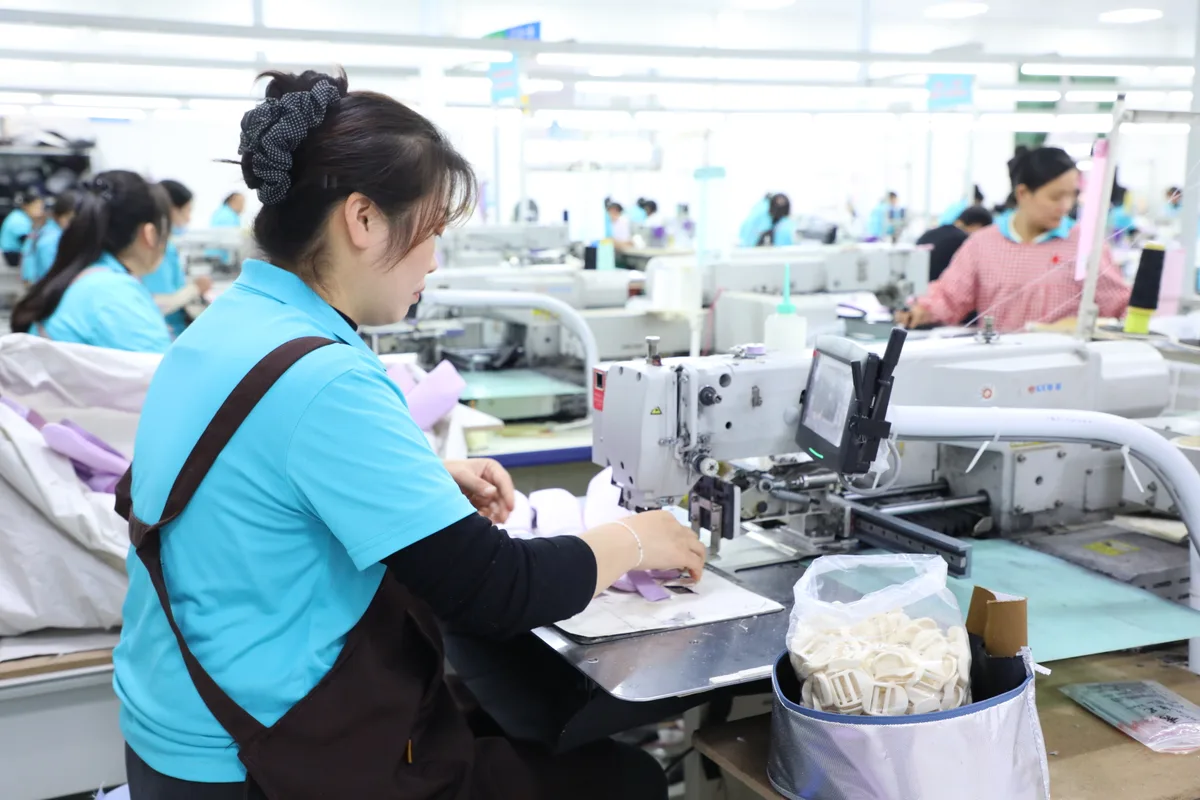
To eliminate compliance friction and ensure seamless US customs clearance, Senszx operates a proven 7-stage quality assurance and regulatory testing protocol for all OEM/ODM orders:
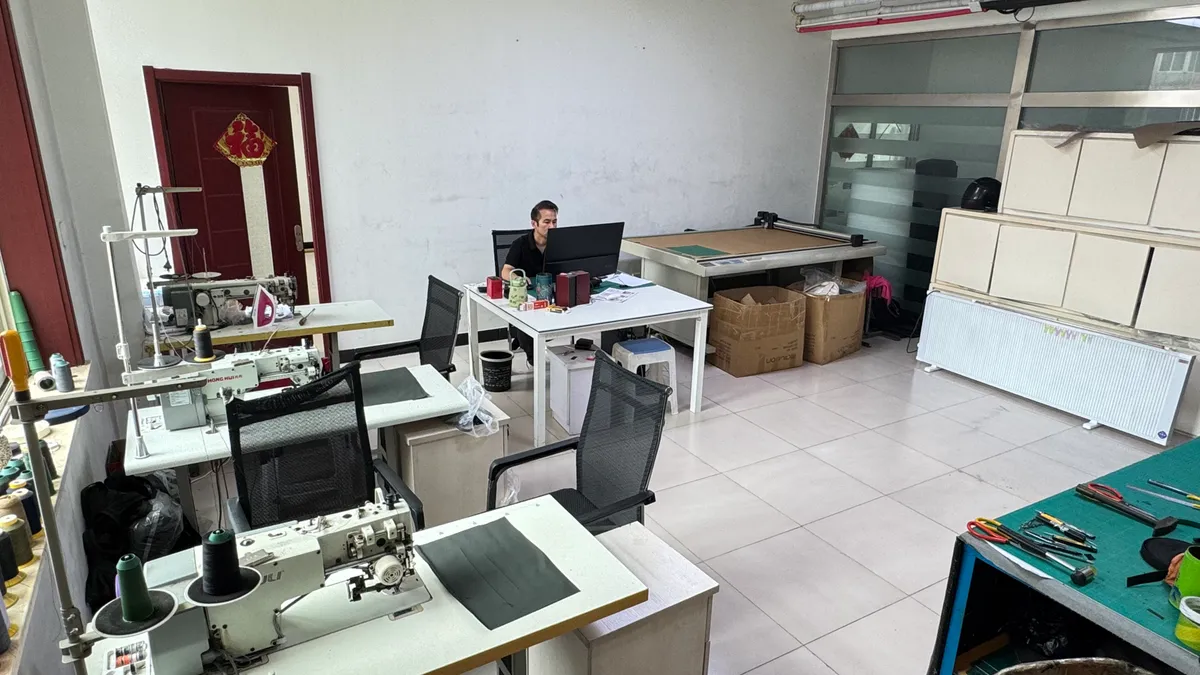
STAGE 1: Technical Tech Pack & Age Categorization
  ├── Review client design sketches, CAD drawings, and target market
  ├── Determine target age demographic (Children's ≤12 vs. Adult 13+)
  └── Establish required testing matrix (CPSIA, Prop 65, ASTM F963, PFAS C0)

STAGE 2: Raw Material Chemical Pre-Screening
  ├── Source base fabrics (Polyester/Nylon) from OEKO-TEX Standard 100 mills
  ├── Specify 100% Phthalate-free TPU water-resistant coatings
  └── Source lead-free zinc alloy zippers, POM plastic buckles, and C0 DWR finishes

STAGE 3: Pre-Production Physical Prototyping (3-5 Days)
  ├── Build 1:1 physical sample in Senszx master pattern room
  ├── Conduct in-house tensile pull tests on straps, handles, and seams (>35 kg)
  └── Verify dimensions, edge radii, and drawstring safety releases

STAGE 4: Third-Party CPSC Lab Testing & Certification
  ├── Submit finished pre-production sample to accredited lab (SGS / Intertek / TÜV)
  ├── Execute Total Lead, 8 Phthalates, Sharp Points, and Small Parts tests
  └── Receive official CPSC-accredited laboratory test report (Pass rating)

STAGE 5: Permanent Tracking Label Integration
  ├── Print client-specific PO number, date, and factory location on woven labels
  ├── Sew permanent tracking labels into interior main compartment seams
  └── Print matching tracking barcode data on exterior polybags and master cartons

STAGE 6: Bulk Production & 100% Inline Quality Control (20 Days)
  ├── Execute computerized laser cutting and automated bar-tacking
  ├── Inline QC auditing of stitch density (7-8 stitches/inch) and seam integrity
  └── 100% finished goods visual and mechanical inspection on QC floor

STAGE 7: CPC / GCC Drafting & CPSC eFiling Support
  ├── Provide importer with finalized laboratory test reports
  ├── Deliver pre-filled Children's Product Certificate (CPC) draft
  └── Provide CPSC Lab ID and test citations to client's US customs broker
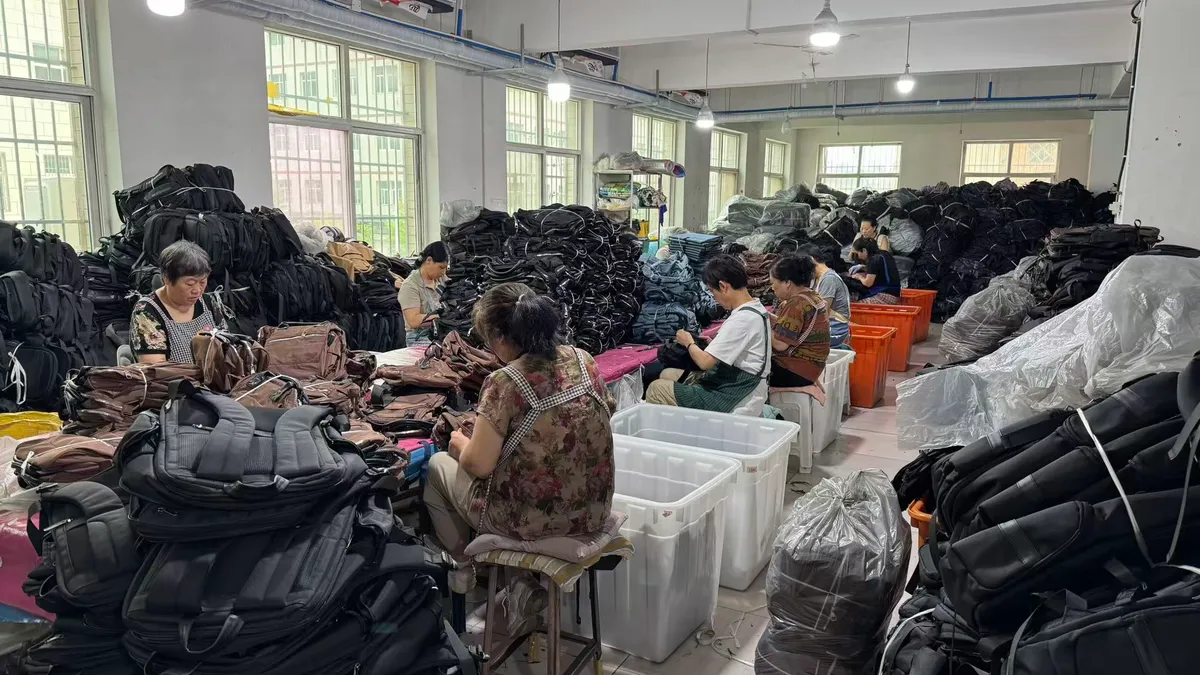
11. Comprehensive Cost Breakdown for CPSIA Lab Testing
Budgeting for compliance testing is an essential component of calculating your landed cost per unit. Sourcing directors frequently consult our custom backpack cost breakdown guide when planning annual inventory budgets.
Here is the realistic commercial cost structure for independent third-party laboratory testing conducted by CPSC-accredited labs (SGS, Intertek, Bureau Veritas, TÜV Rheinland) in China:
| Laboratory Test Module | Applicable Regulation | Estimated Cost (USD) | Turnaround Time |
|---|---|---|---|
| Total Lead in Paint & Surface Coatings | 16 CFR Part 1303 | $80 – $150 per color/ink | 3–5 Business Days |
| Total Lead in Accessible Substrates | CPSIA Section 101 | $90 – $180 per material | 3–5 Business Days |
| 8 Regulated Phthalates Test | 16 CFR Part 1307 | $180 – $350 per plastic/coating | 3–5 Business Days |
| Physical & Mechanical Safety (Small Parts) | 16 CFR 1500 / 1501 / ASTM F963 | $120 – $220 per style | 3–5 Business Days |
| Drawstring Hazard Evaluation | 16 CFR 1120.3 / ASTM F1816 | $60 – $100 per style | 2–3 Business Days |
| California Prop 65 Chemical Screening | Total Lead, Cadmium, 6 Phthalates | $250 – $450 composite test | 4–6 Business Days |
| Total Organic Fluorine (PFAS Screen) | CA AB 1817 / NY ECL 37 | $150 – $280 per fabric | 4–6 Business Days |
| Fabric Flammability Testing | 16 CFR Part 1610 | $90 – $150 per fabric | 3–4 Business Days |
| Fabric Physical Performance (Tear/Tensile) | ASTM D5034 / ASTM D2261 | $80 – $140 per fabric | 3–4 Business Days |
| Colorfastness (Crocking / Light / Wash) | AATCC 8 / AATCC 16 / AATCC 61 | $70 – $120 per colorway | 3–4 Business Days |
| Full Comprehensive CPC Testing Package | All CPSIA Mandatory Tests (1 Style) | $650 – $1,450 | 5–7 Business Days |
How to Minimize Testing Costs Without Sacrificing Compliance
- Leverage CPSC Component Part Testing (16 CFR Part 1109): If you use the same 600D water-resistant polyester fabric across 5 different backpack styles, you only need to chemically test that fabric batch once, rather than re-testing it for every distinct bag silhouette.
- Material Consolidation: Standardize your metal zipper pullers, POM buckles, and interior 210D lining fabrics across your entire product line. Explore options in our custom zipper and buckle guide.
- Composite Testing Protocols: Work with accredited labs that offer approved composite testing (mixing up to 3 similar plastic or textile samples in a single chemical run) to reduce per-sample testing fees.
12. US Customs Tariff Classification & Harmonized Tariff Schedule (HTS) Codes
Achieving compliance is intimately connected to proper Harmonized Tariff Schedule (HTS) classification. When filing your customs entry and transmitting CPSC eFiling PGA data, the HTS code must align perfectly with your declared materials, dimensions, and product functions.
Below is the standard HTS classification directory for commercial backpack imports into the United States:
| HTS Code (USITC) | Description & Material Composition | Standard General Duty Rate | CPSIA Scrutiny Level |
|---|---|---|---|
| 4202.92.31.20 | Backpacks with outer surface of man-made textile materials (Polyester/Nylon) | 17.6% | VERY HIGH (Primary school & commuter code) |
| 4202.92.31.31 | Travel, sports, and outdoor bags with textile outer surface (excluding backpacks) | 17.6% | MODERATE (General use travel & duffel) |
| 4202.92.15.00 | Bags with outer surface of cotton canvas (uncoated natural fibers) | 6.3% | MODERATE (Lead testing generally exempt) |
| 4202.92.04.00 | Insulated cooler bags and lunch bags with outer surface of plastic/textile | 7.0% | EXTREME (Food-contact + heavy phthalate focus) |
| 4202.11.00.30 | Briefcases, executive laptop bags, and school satchels with outer surface of leather | 4.5% | LOW to MODERATE (Prop 65 lead focus) |
| 4202.92.91.00 | Bags with outer surface of plastic sheeting (clear PVC/TPU backpacks) | 16.0% | EXTREME (100% mandatory phthalates screening) |
Customs Strategy Tip: Misclassifying a children's school backpack under a non-backpack general bag code to save duty or bypass CPSC PGA triggers is a severe violation under 19 U.S.C. § 1592 (Customs Fraud & Negligence), carrying civil penalties up to the domestic value of the merchandise. Always classify based on objective physical construction and verify your code with a licensed US customs broker.
13. Packaging Safety & Polybag Suffocation Warnings
Beyond the backpack itself, retail and transit packaging materials are governed by strict federal, state, and municipal child safety regulations across the United States.
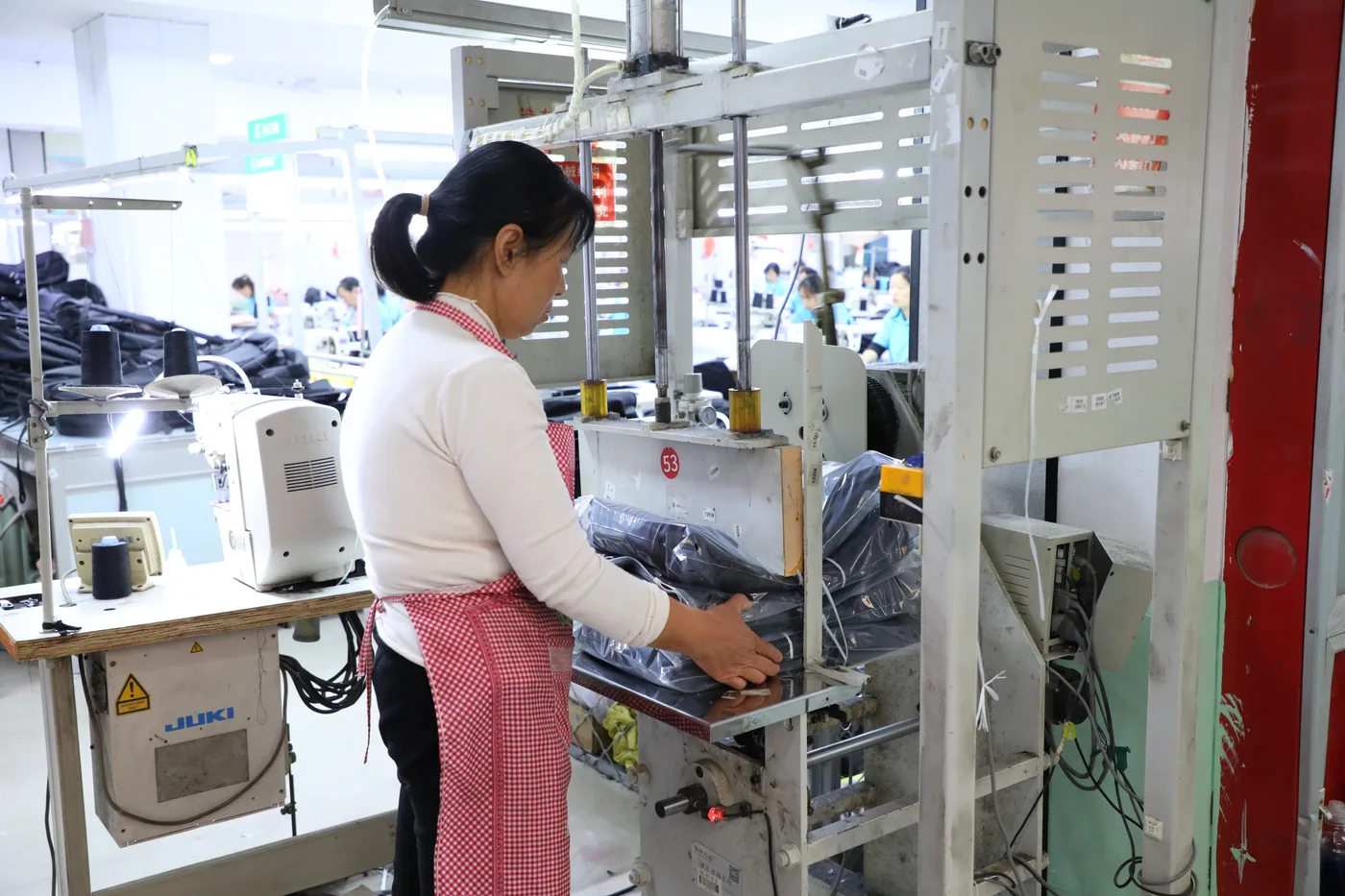
Polybag Suffocation Hazard Laws (State & City Regulations)
While the federal CPSIA governs the core product, multiple US states and major municipalities—including California, New York, Massachusetts, Rhode Island, Virginia, and the City of Chicago—enforce strict statutory mandates requiring Suffocation Warning Notices on plastic polybags:
- Trigger Dimension: Any plastic bag with an opening diameter of 5 inches (127 mm) or larger, or total length and width exceeding 40 inches.
- Film Thickness Threshold: Polybags with a thickness of less than 1 mil (0.001 inch / 0.0254 mm) are legally classified as suffocation hazards and must carry printed warnings.
- Ventilation Holes: Senszx standard export polybags incorporate pre-punched 0.25-inch (6 mm) air ventilation holes to prevent vacuum seal formation over a child's mouth and nose.
Mandatory Warning Text & Font Size Rules
The suffocation warning must be printed in prominent, legible type on the face of the polybag or on a secure adhesive label:
WARNING: TO AVOID DANGER OF SUFFOCATION, KEEP THIS PLASTIC BAG AWAY FROM BABIES AND CHILDREN. DO NOT USE IN CRIBS, BEDS, CARRIAGES, OR PLAYPENS. THIS BAG IS NOT A TOY. TEAR UP BAG BEFORE THROWING AWAY.
The minimum statutory font size scales with the perimeter dimensions of the polybag:
| Total Bag Length + Width (Inches) | Minimum Type Size (Points) | Minimum Font Height (mm) |
|---|---|---|
| Under 30 inches | 10 Point Bold Type | ~2.5 mm |
| 30 to 39 inches | 14 Point Bold Type | ~3.5 mm |
| 40 to 59 inches | 18 Point Bold Type | ~4.5 mm |
| 60 inches and greater | 24 Point Bold Type | ~6.0 mm |
14. Chemical Management & Restricted Substances List (RSL) Auditing
To maintain uncompromised compliance across high-volume production runs, Senszx enforces a comprehensive Restricted Substances List (RSL) auditing system that integrates CPSIA, REACH, OEKO-TEX Standard 100, and bluesign® chemical boundaries.
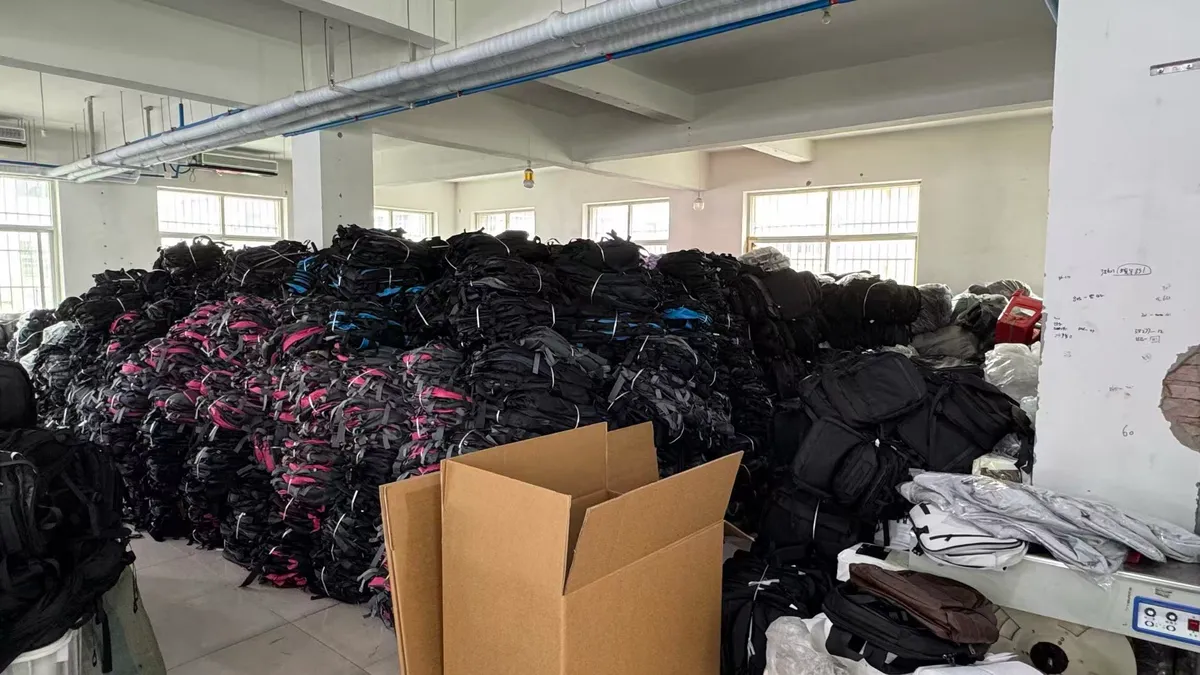
Key Chemical Parameters Monitored in Senszx Production
In addition to Lead and Phthalates, our chemical testing matrix screens for hazardous textile processing residues:
- Azo Dyes & Carcinogenic Arylamines: Synthetic dyes that break down into 24 specific aromatic amines (e.g., benzidine, 4-aminobiphenyl) are strictly banned (≤20 ppm / non-detectable under REACH Annex XVII Item 43 and US state safety standards).
- Cadmium in Metals and Plastics: Restricted to ≤100 ppm in plastics and surface coatings under CPSIA state adoptions and Washington Children's Safe Products Act (CSPA).
- Hexavalent Chromium Cr(VI) in Leather: In genuine leather backpacks and leatherette trim, hexavalent chromium is restricted to <3 ppm to prevent skin sensitization and severe allergic contact dermatitis.
- Organotin Compounds (DBT / TBT): Restricted to <1.0 ppm in polyurethane coatings and synthetic leather stabilizers.
- Alkylphenol Ethoxylates (APEO / NPEO): Surfactants and scouring agents used in textile dyeing are restricted to <100 ppm total content to comply with zero-discharge ecological requirements.
15. Port Detention Response & CPSC Administrative Remedies
Even with rigorous pre-shipment quality control, administrative errors, random port targeting, or broker data omissions can trigger a CBP Form 6051D (Notice of Detention). Knowing how to execute a fast, structured administrative response is critical to releasing your cargo without incurring catastrophic port demurrage fees.
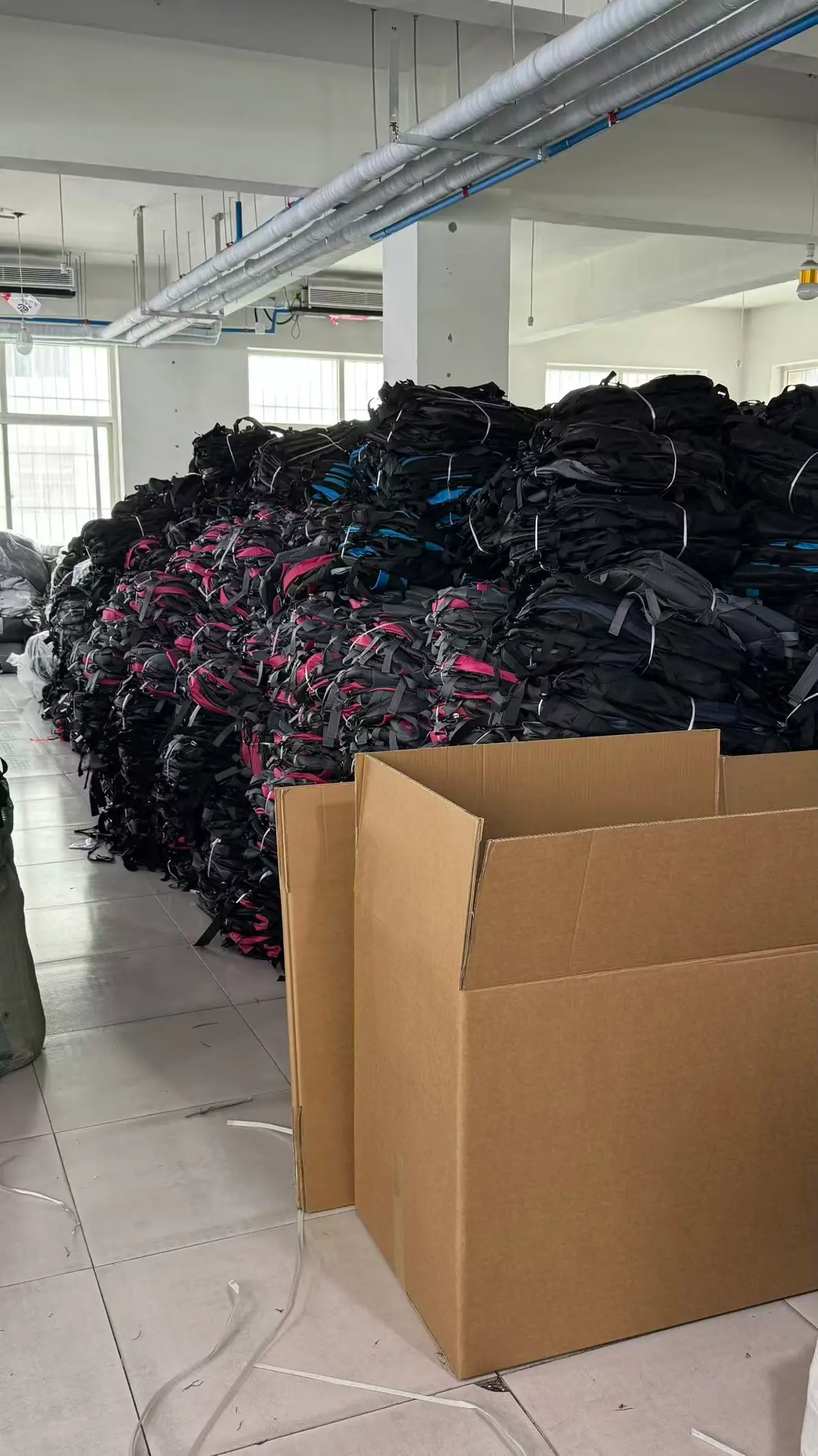
                            PORT DETENTION RESOLUTION PROTOCOL
                                            │
    ┌───────────────────────────────────────┴───────────────────────────────────────┐
    ▼                                                                               ▼
DAY 1-2: CBP Notice of Detention Issued                               DAY 3-4: Evidence Dossier Submission
• CBP issues Form 6051D citing CPSC Hold                              • Compliance Manager compiles:
• Identify Detention Reason:                                            1. CPSC-Accredited Lab Test Reports
  - Missing CPC / GCC                                                   2. Supplier Component Part Certs (16 CFR 1109)
  - Tracking Label Discrepancy                                          3. High-res photos of sewn tracking labels
  - Chemical Targeting (Lead/Phthalates)                                4. HTS classification tech pack data
                                            │
    ┌───────────────────────────────────────┴───────────────────────────────────────┐
    ▼                                                                               ▼
DAY 5-7: CPSC Legal Review & Sampling                                 DAY 8-10: Final Resolution & Release
• CPSC Product Safety Investigator (PSI) reviews dossier              • Scenario A: FULL RELEASE ("May Proceed" issued)
• If physical sampling requested:                                     • Scenario B: CONDITIONAL RELEASE TO BONDED WAREHOUSE
  - Samples pulled for CPSC Lab in Rockville, MD                        (Allows goods to leave pier, avoiding demurrage)
  - 3-5 day expedited turnaround                                      • Scenario C: RE-LABELLING UNDER CBP SUPERVISION
3 Essential Strategies to Mitigate Port Demurrage Risk
- Maintain a 24-Hour Digital Compliance Vault: Store all certified PDF test reports, signed CPC certificates, high-resolution product photos showing tracking labels, and factory audit credentials in a cloud directory accessible by your US customs broker.
- Utilize Continuous Import Bonds: Ensure your customs surety bond is sized appropriately to allow application for Conditional Release to a Foreign Trade Zone (FTZ) or Bonded Warehouse if CPSC physical testing requires more than 5 business days.
- Engage CPSC-Accredited Laboratories in Origin: Conducting laboratory testing at origin in China (via SGS or Intertek prior to departure) provides indisputable pre-clearance documentation that can resolve a detention within 48 hours of initial CBP inquiry.
16. Summary Checklist: US Backpack Compliance
Before authorizing final production payments and booking container freight, verify that your shipment satisfies every item on our US Importer's CPSIA Compliance Checklist:
- Target Age Clearly Established: Product line formally classified as Children's (≤12) or Adult (13+) with supporting design documentation.
- Lead-Free Raw Materials Verified: Surface coatings contain <90 ppm lead; accessible metal/plastic substrates contain <100 ppm lead.
- Phthalate-Free Formulations: All PVC, PU coatings, vinyl windows, and silicone trims contain <1,000 ppm across all 8 regulated phthalates.
- PFAS-Free Water Repellency: Fabrics treated with certified C0 non-fluorinated DWR finishes complying with California AB 1817 and New York standards.
- ASTM F963 Mechanical Abuse Passed: No small parts detach under 21 lbs tension; no sharp points, burrs, or lacerating wire edges.
- Drawstring Hazard Eliminating: No long free-hanging cords on children's bags; breakaway release clips tested and functioning.
- Permanent Tracking Labels Sewn: Interior damask/satin label visibly displays brand name, factory location, manufacture month/year, and batch/PO number.
- Packaging Warning Labels Applied: Polybag suffocation warnings printed; outer master cartons display matching tracking and batch numbers.
- CPSC-Accredited Lab Test Report in Hand: Official passing test report received from an accredited testing laboratory (SGS, Intertek, TÜV).
- CPC / GCC Certificate Drafted: Children's Product Certificate or General Certificate of Conformity fully completed with all 7 statutory sections.
- CPSC eFiling Data Transmitted: Customs broker provided with CPSC Lab ID, rule citations, and product registry details for ACE entry clearance.
Partner with Senszx for 100% Compliant Custom Bag Manufacturing
Building a scalable, profitable backpack brand in the US market requires a manufacturing partner who understands international regulatory compliance as deeply as industrial sewing craftsmanship.
At Senszx, we provide comprehensive end-to-end OEM and ODM manufacturing services:
- Single-Track OEM/ODM MOQ: 500 pieces per style/colourway for fully customized bags.
- Rapid Prototyping: Complete physical samples developed in 3 to 5 business days.
- Rapid Production Turnaround: 20-day standard bulk production backed by 100 production lines and 10,000 m² of certified facility space.
- Full Compliance Assurance: In-house material pre-screening, direct partnerships with CPSC-accredited laboratories, and complete CPC/GCC documentation support.
- Factory Certifications: Audited and certified under BSCI, ISO 9001, ISO 14001, ISO 45001, and CE standards. View our factory certifications and audit credentials.
Ready to engineer your next compliant backpack collection? Contact our engineering team today for technical tech pack reviews, material swatches, and factory-direct quotation.
- Email: [email protected]
- WhatsApp / Phone: +86 17331531825
- Facility Address: Senszx Industrial Park, Baigou, Gaobeidian City, Hebei Province, China
Related Technical Sourcing & Manufacturing Guides
- How to Write a Professional Backpack Tech Pack for OEM Manufacturing
- Types of Backpacks: The Complete B2B Guide to Styles, Specs & Sourcing
- Custom Backpack Manufacturing Cost Breakdown: A Factory Owner's Guide
- Custom Backpack Fabrics & Materials Engineering Guide
- Custom Zipper Pulls, Metal Hardware & Buckles Guide
- Quality Assurance Standards at Senszx
- Custom Bag Manufacturing & OEM Tailoring Capabilities
- Inside Senszx Bag Factory: Complete Facilities & Production Lines Tour
- Senszx Backpack Showroom Collection
Hi, I'm Senszx Bag Manufacturer, Hope You Like This Blog Post.
With more than 20 years of experience in OEM/ODM/Custom luggage and bag, I'd love to share with you the valuable knowledge related to luggage and bag products from a top-tier Chinese supplier's perspective.
Senszx Factory
Est. 2006 · Baigou, China
Related articles
Custom Travel Bags with Logo: The Complete Manufacturing, Materials & Branding Guide
An exhaustive B2B manufacturing guide to custom travel bags with logo. Master custom duffle, weekender, and carry-on production, compare 6 branding techniques (screen print, heat transfer, woven labels, rubber patches, debossed leather, digital print), fabric specs (600D-1680D, nylon, canvas), hardware, and OEM factory quality control for 500+ unit runs.
Custom Tactical Backpack Manufacturing & Sourcing Guide: Mil-Spec Fabrics, MOLLE Engineering, and OEM Factory Quality Control
A comprehensive B2B engineering guide to manufacturing custom tactical backpacks. Explore 500D vs 1000D Cordura, laser-cut vs nylon MOLLE webbing, reinforced bartack stitching, POM mil-spec hardware, and OEM/ODM production standards for 500+ unit runs.
Custom Laptop Backpack Manufacturing & Sourcing Guide: Compartment Architecture, Impact Foam, Hardware & OEM Cost Breakdown
A comprehensive B2B engineering guide to manufacturing custom laptop backpacks. Explore laptop cradle dimensions, EVA vs EPE shock foam, ballistic nylon specs, anti-theft zipper integration, and OEM/ODM cost breakdown for 500+ unit production runs.
Get a Custom Bag Quote from Our China Factory
Our sales team is online around the clock and usually replies within the hour.
Email
[email protected]Factory
Qinzheng Road No.89, New Industry Zone, Baigou Town
Baoding City, Hebei Province 074004, China