Bulk Backpacks: The Complete Wholesale Buying Guide for 2027
How brands, distributors, schools and charities buy backpacks in bulk: sourcing paths, styles, fabrics, customization, unit price drivers, MOQ, lead times, QC and shipping.
Search for "bulk backpacks" and you will find two very different worlds. One is the promotional-products world: stock drawstring bags printed with a one-color logo, shipped from a domestic warehouse in days, at a unit price that reflects the middleman markup. The other is the factory world: backpacks made to your specification, in your colors, with your trims and your packaging, at a price that reflects what the bag actually costs to produce. Most buyers who type "backpacks in bulk" into a search bar have never been shown the difference, and it costs them money on every order.
This guide is written from inside the second world. Senszx has manufactured backpacks in China since 2006 for brands, retail chains, distributors, schools and nonprofit programs, primarily across the United States. What follows is the complete decision path for a bulk backpack purchase: how to choose a sourcing route, which styles suit which program, what fabrics and components to specify, what actually drives your unit price, how minimums and lead times work, what a real quality-control process looks like, and how your order should be packed and shipped. Every section ends with a decision you can act on, and when the subject deserves a deeper dive, we link to the dedicated guide.
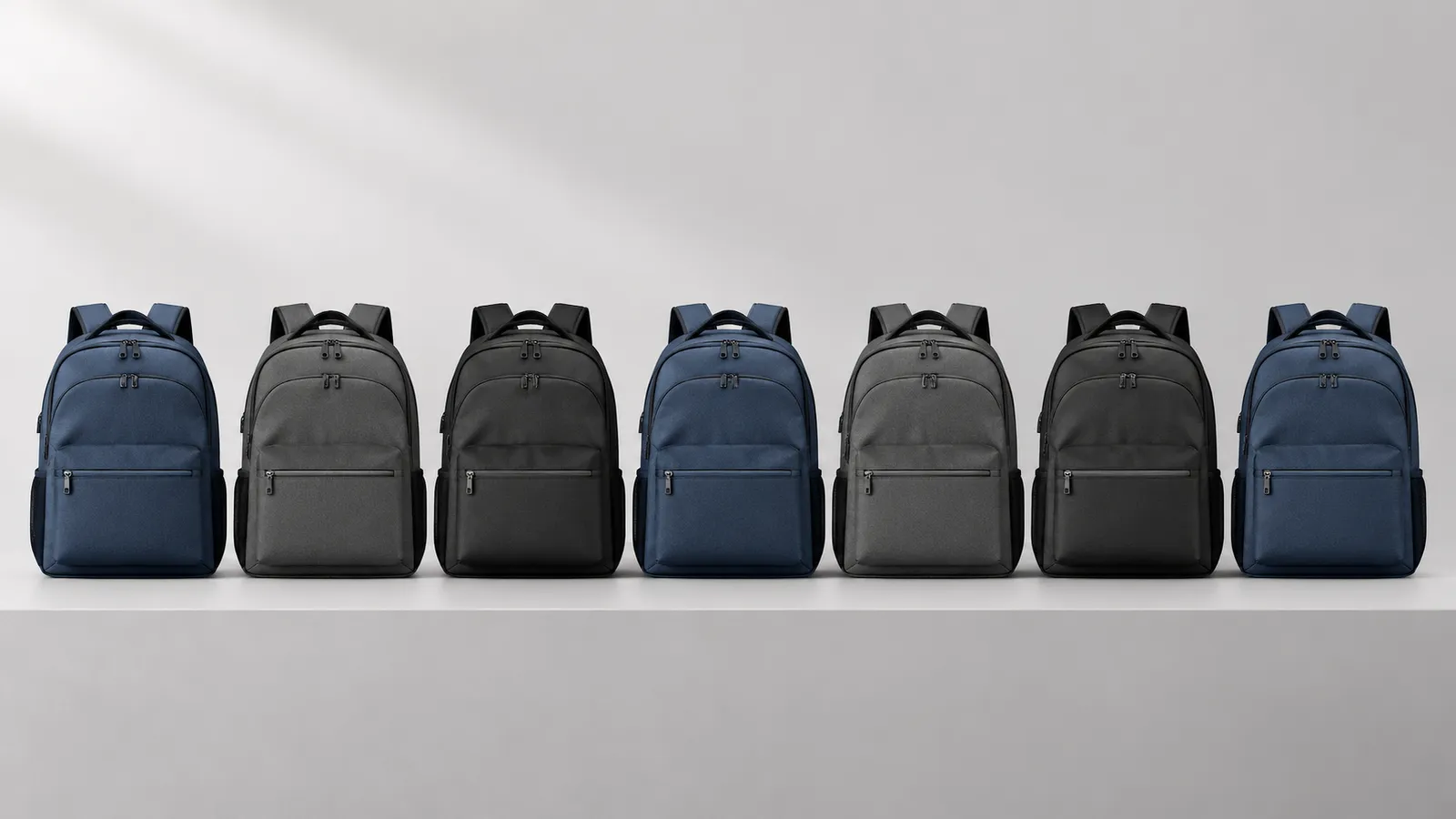
Three Ways to Source a Bulk Backpack Order
Before comparing styles or fabrics, decide which sourcing path your project belongs on. The path determines your minimum quantity, your timeline, your level of control over the product, and ultimately your unit cost. Most frustration in bulk sourcing comes from forcing a project onto the wrong path - asking a stock supplier for custom features, or asking a custom factory to beat a stock price on 300 units.
| Sourcing path | What you get | Best for | Typical trade-off |
|---|---|---|---|
| In-stock wholesale | Pre-made, quality-inspected blank backpacks held in factory warehouse stock, brandable by print or embroidery | Urgent deadlines, first test orders, event giveaways | Limited to existing designs, colors and sizes |
| Existing design production | A proven factory design produced fresh in your colors, fabrics and branding | Brands that want customization without development risk | Production lead time applies; minor tooling limits |
| Full OEM/ODM development | A backpack engineered from your tech pack, sketch or reference sample - every panel, pocket and trim decided by you | Established brands, differentiated retail products | Longest timeline; development discipline required |
In-stock wholesale backpacks
The fastest route to backpacks in bulk is factory stock. These are finished, inspected bags sitting in the warehouse, ready for logo application and export. Stock programs suit buyers who need bags for a fixed date - a school year start, a trade show, a donation drive - and cannot wait for a production cycle. Branding is applied after the fact: screen printing, heat transfer, embroidery or woven labels. Browse our wholesale backpacks in stock to see which styles are currently available, and note that stock colorways rotate with production runs, so confirm availability before committing a delivery date to your own customer.
Producing an existing factory design
The middle path - and the most popular one for first-time brand buyers - is to take a design the factory has already engineered and produce it fresh under your brand. The pattern is proven, the materials are costed, and the sample stage is short because nothing structural needs inventing. You choose fabrics, colors, zipper pullers, linings, logo methods and packaging; the factory handles the rest. Our custom bag product catalog lists the in-house designs available for this route. This is also the standard entry point for private label programs, where the entire bag carries your brand identity and nothing identifies the factory.
Full OEM/ODM development
When the backpack itself is your product - not a giveaway, not a merchandise item, but the thing your customer pays for - full development is the right path. You supply a tech pack, a sketch or a reference sample; the factory develops the pattern, sources materials, builds a physical sample and iterates until the pre-production standard is approved. If you have never written a specification document, start with our guide on how to write a backpack tech pack, because the quality of your documentation directly determines the accuracy of your first sample and the stability of every repeat order after it.
Who Buys Backpacks in Bulk - and What Each Program Actually Needs
"Bulk" means something different to a Fortune 500 promotions team than it does to a school district or an Amazon seller. Understanding your own buyer profile helps you ask the right questions and recognize when a supplier's standard answer does not fit your program.
| Buyer program | Typical order profile | What matters most | Most common mistake |
|---|---|---|---|
| Backpack and outdoor brands | Repeat seasonal orders, multiple SKUs | Spec control, color consistency across reorders, confidential development | Treating the factory as a vendor instead of a development partner |
| Retail store chains | Large single drops tied to planograms | Retail packaging, barcodes, carton compliance, delivery windows | Leaving packaging requirements out of the quote request |
| Wholesalers and distributors | Mixed-style container loads, annual reorders | Landed cost, stable pricing, mixed-SKU container planning | Switching factories between years and losing color repeatability |
| Import and sourcing companies | Orders executed for end clients | Documentation, inspection access, communication speed | Hiding the end client's real quality expectations from the factory |
| Schools and education programs | Uniform designs in 1-3 sizes, hard deadlines | Durability over a school year, safety compliance, on-time delivery | Ordering one size for all age groups |
| Nonprofits and charity drives | Price-driven, tender or donation funded | Unit cost, honest specifications, delivery to schedule | Accepting the cheapest bid without an inspection plan |
| Corporate and promotional teams | Event-driven, logo-centric | Logo fidelity, fast turnaround, individual packing | Choosing a bag style that nobody uses after the event |
| Amazon and DTC brands | 500-5,000 units per SKU, review-sensitive | Review-proof zippers and straps, FBA prep, photogenic details | Under-specifying hardware to hit a target price |
Two of these programs are large enough that we maintain dedicated guides: school buyers should read the wholesale school backpacks sourcing guide, and promotional buyers should read the promotional backpacks with logo buyer guide. The rest of this article covers the decisions every program shares.
The Eight Problems That Ruin Bulk Backpack Orders
Ask any experienced importer what went wrong on their worst backpack order and the answer will be one of eight things. None of them are exotic. All of them are preventable at the quotation stage, before any money moves.
Unclear total pricing
A unit price that excludes logo application, packaging, inland freight to port, or sample costs is not a price - it is bait. Insist on an itemized quotation that separates the bag, the branding, the packaging and the logistics, so you can compare suppliers line by line. Our breakdown of what information to send a bag factory for quotation shows exactly which details a factory needs to produce a quote that will not drift later.
Confusing minimum order quantities
MOQ confusion usually hides in the details: is the minimum per style, per color, or per order? A "500 piece MOQ" that silently requires 500 pieces per colorway triples your commitment on a three-color program. Get the MOQ structure in writing: per style, per colorway, and whether mixed sizes within a style count toward one minimum.
Uncertain stock and schedule
Stock sellers sometimes quote bags they do not physically hold, then scramble to source them after your deposit clears. For stock programs, ask for a warehouse video or a live count of your exact SKU and colorway. For production programs, ask for the factory's current line loading - a factory that promises 30 days in peak season without checking capacity is guessing.
Weak straps and zippers
The two failure points that generate returns and one-star reviews are strap anchors and zippers. Strap attachments should be bartacked and, on load-bearing designs, reinforced with webbing that wraps into the seam rather than relying on fabric alone. Zippers should be specified by brand and gauge, not by the word "strong". If a quote does not name the zipper, the factory has left itself room to substitute.
Inconsistent repeat production
Your first order matching the approved sample is table stakes. The real test is order three, a year later, matching order one. Consistency comes from documented specifications: a bill of materials with supplier references, lab-dip records for every color, and a sealed reference sample kept at the factory. Ask a prospective supplier how they guarantee reorder consistency; a factory with a real system will answer in documents, not reassurances.
Limited branding choices
A supplier whose only decoration option is screen printing will quietly steer every project toward screen printing. Backpack branding spans embroidery, woven labels, debossed PU patches, rubber and silicone badges, metal plates, heat transfer and sublimation - each with different durability, texture and cost behavior. The right method depends on fabric, placement and brand positioning, which is why branding belongs in the specification, not in the afterthoughts.
Incorrect packing and labels
Retail and FBA programs die at the warehouse door, not at the factory. Wrong barcode placement, missing suffocation warnings on polybags, cartons exceeding weight limits, or missing carton marks can trigger rejection, relabeling fees or refused delivery. Packing requirements must be part of the purchase order, confirmed in writing before production starts - not discussed when the goods are already boxed.
Unplanned freight costs
Backpacks are light but bulky, which makes them dimensional-weight cargo. A buyer who budgets freight from unit weight alone will be surprised by the invoice. Carton dimensions, units per carton and container utilization should be calculated at quotation time, which is also when decisions like compressed packing or nested folding can still change the math.
Which Backpack Styles Work for Bulk Programs?
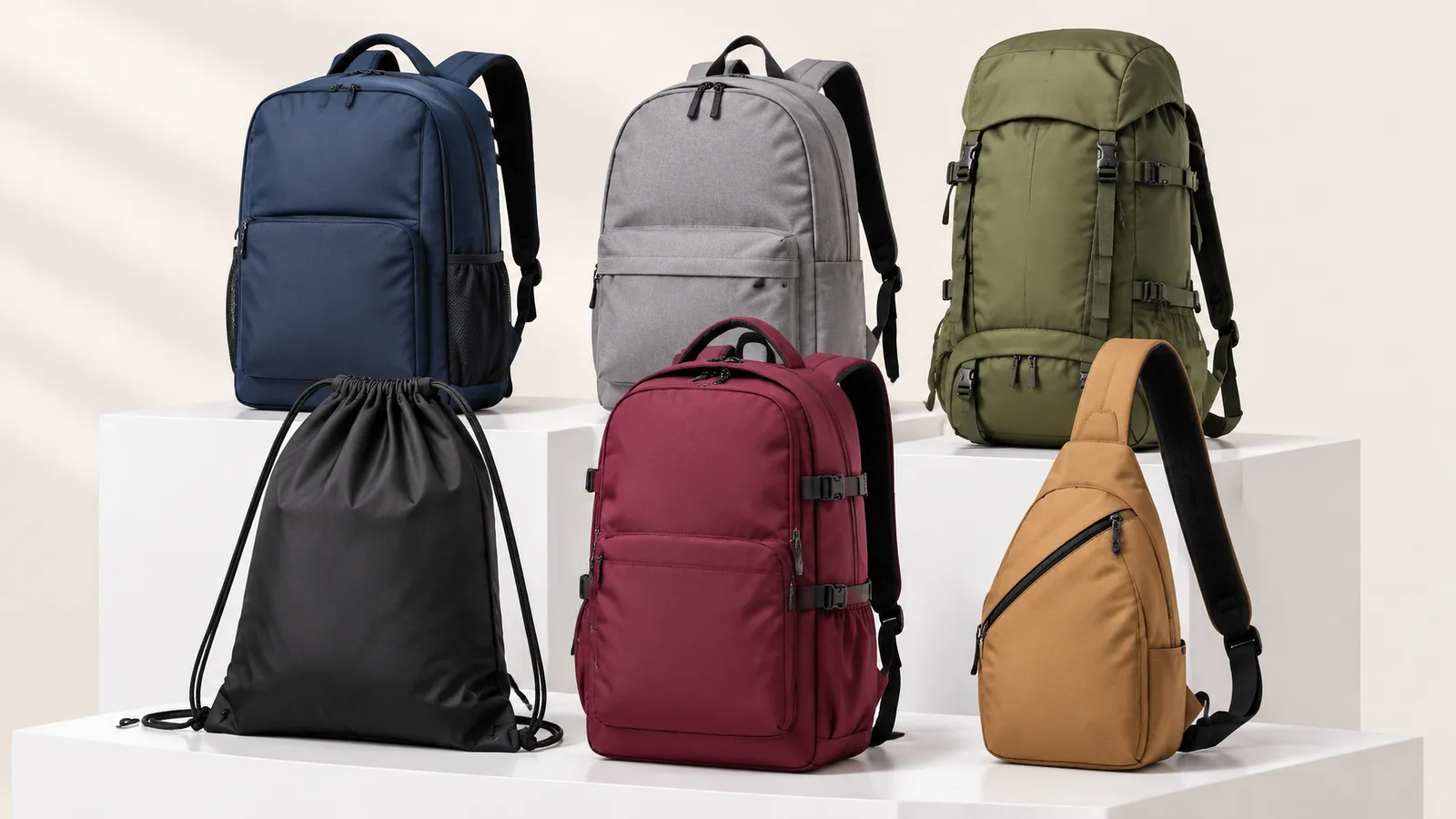
Style selection is where program goals become physical product. The table below summarizes the styles most frequently ordered in bulk, what they are typically made from, and which program each one serves best.
| Backpack type | Typical capacity | Common materials | Best-fit bulk program | What to check first |
|---|---|---|---|---|
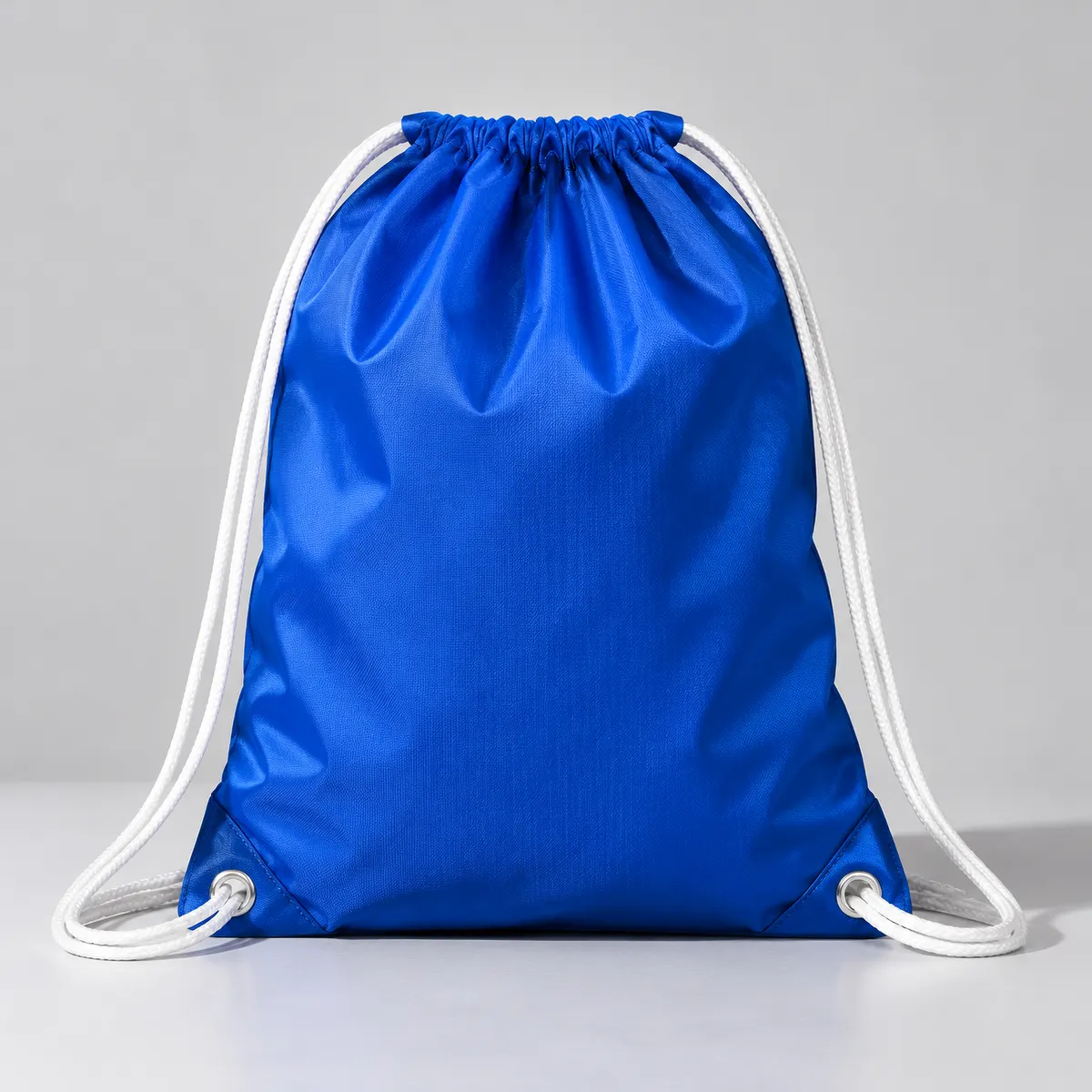
| Drawstring backpack | 8-15 L | 210D polyester, nylon, mesh | Events, promotions, school giveaways | Cord strength and print area |
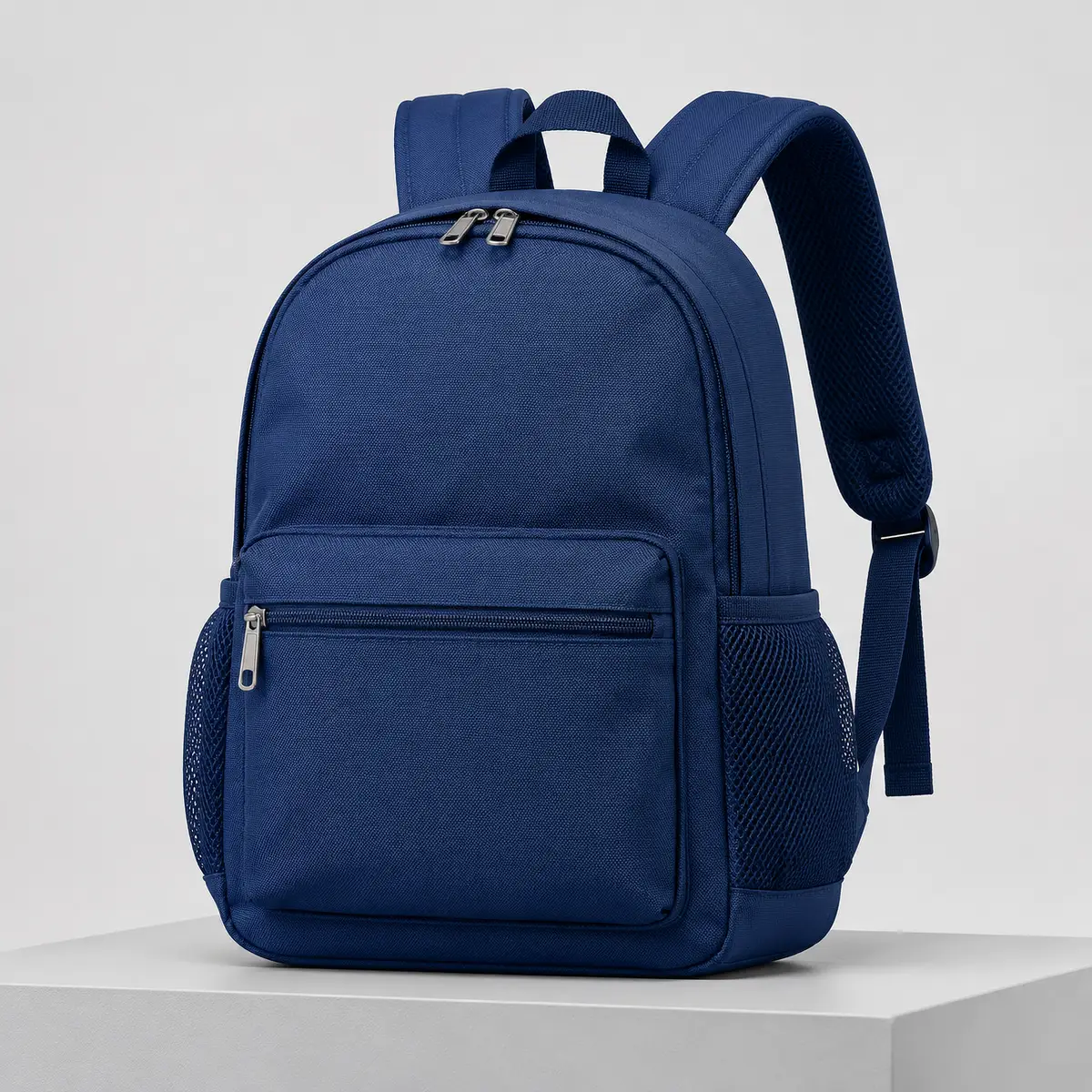
| School backpack | 15-30 L | 600D polyester, canvas | Education programs, mass retail | Strap reinforcement and zipper gauge |
| Laptop backpack | 20-35 L | Oxford, ballistic polyester | Corporate gifts, commuter brands | Padded compartment fit for 15.6"/17" devices |
| Travel backpack | 25-45 L | Nylon, Oxford | Travel retail, DTC brands | Access layout and carry comfort |
| Hiking backpack | 20-60 L | Ripstop nylon, Oxford | Outdoor and sporting goods | Load support and strap adjustment |
| Gym backpack | 20-35 L | Polyester, mesh panels | Sports teams, fitness retail | Shoe separation and ventilation |
| Tactical backpack | 25-45 L | 900D-1000D polyester, Cordura | Outdoor, security, EDC brands | MOLLE webbing and seam strength |
| Camera backpack | 20-35 L | Oxford with EVA inserts | Photography and electronics | Equipment fit and impact cushioning |
| Rolling backpack | 25-40 L | Polyester, Oxford | School and travel programs | Wheel, handle and base durability |
| Sling backpack | 6-15 L | Nylon, polyester | Urban EDC, promotional upsell | Strap swivel and body fit |
Below is what each of these categories typically looks like in a bulk production specification - photographed the way we present pre-production samples to buyers.
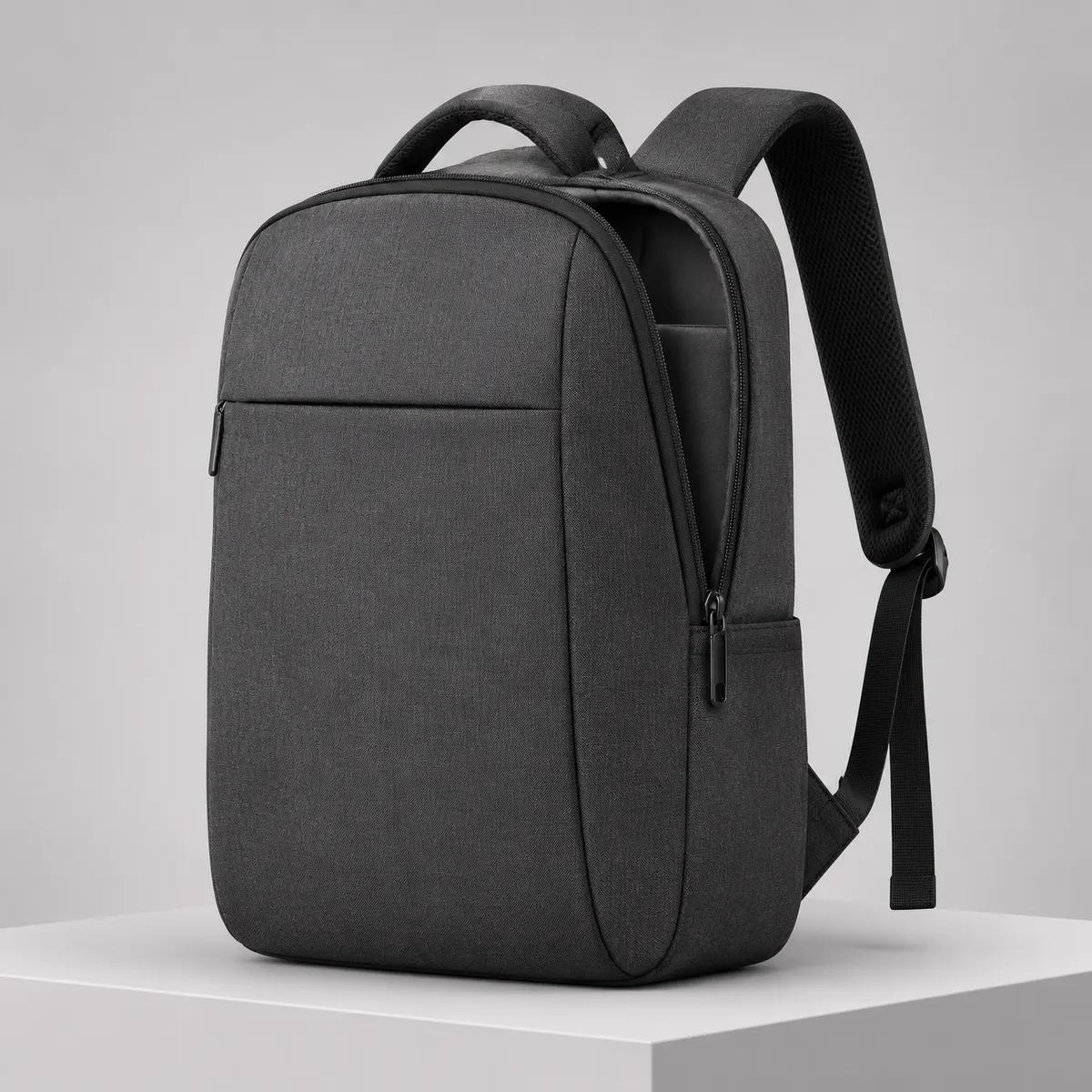
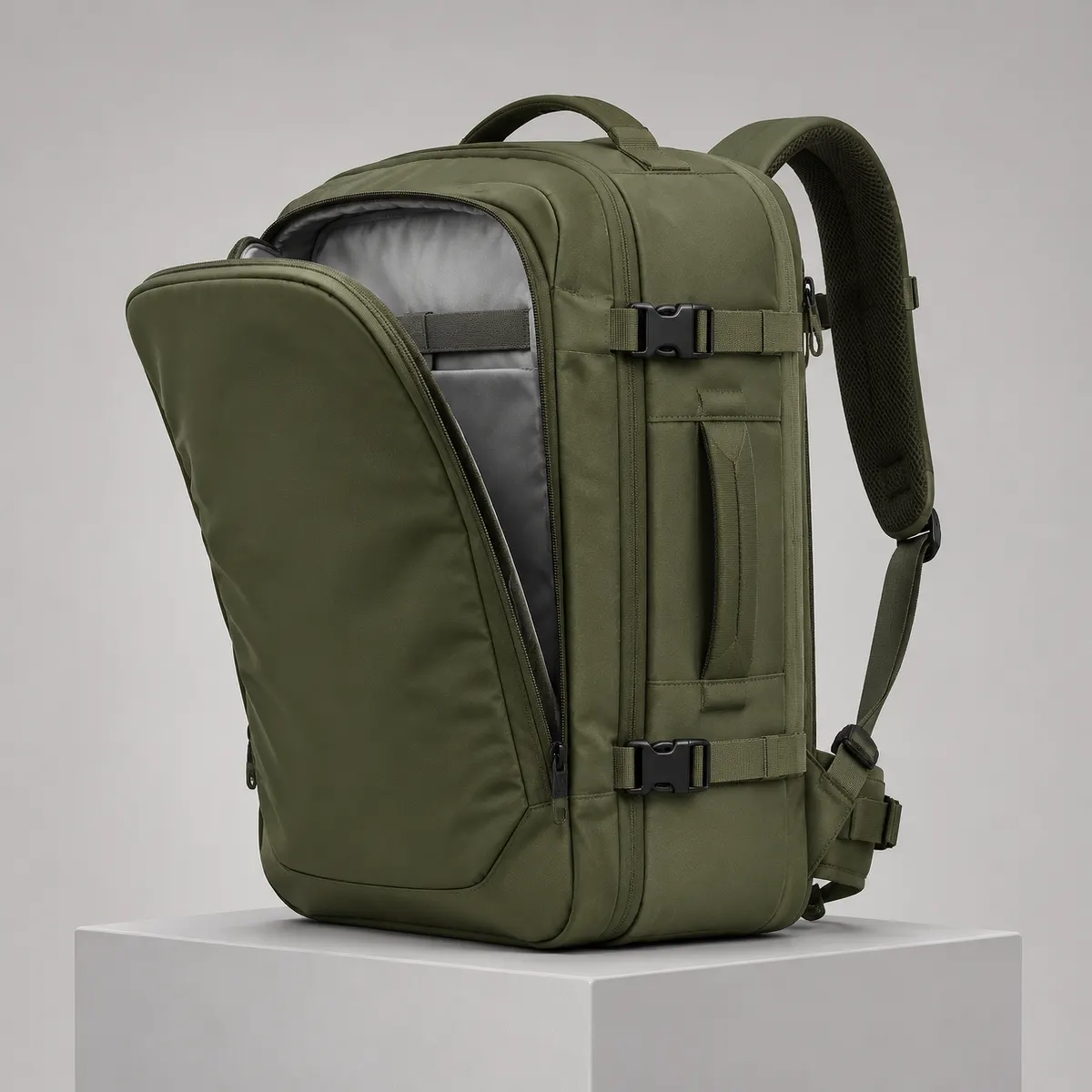
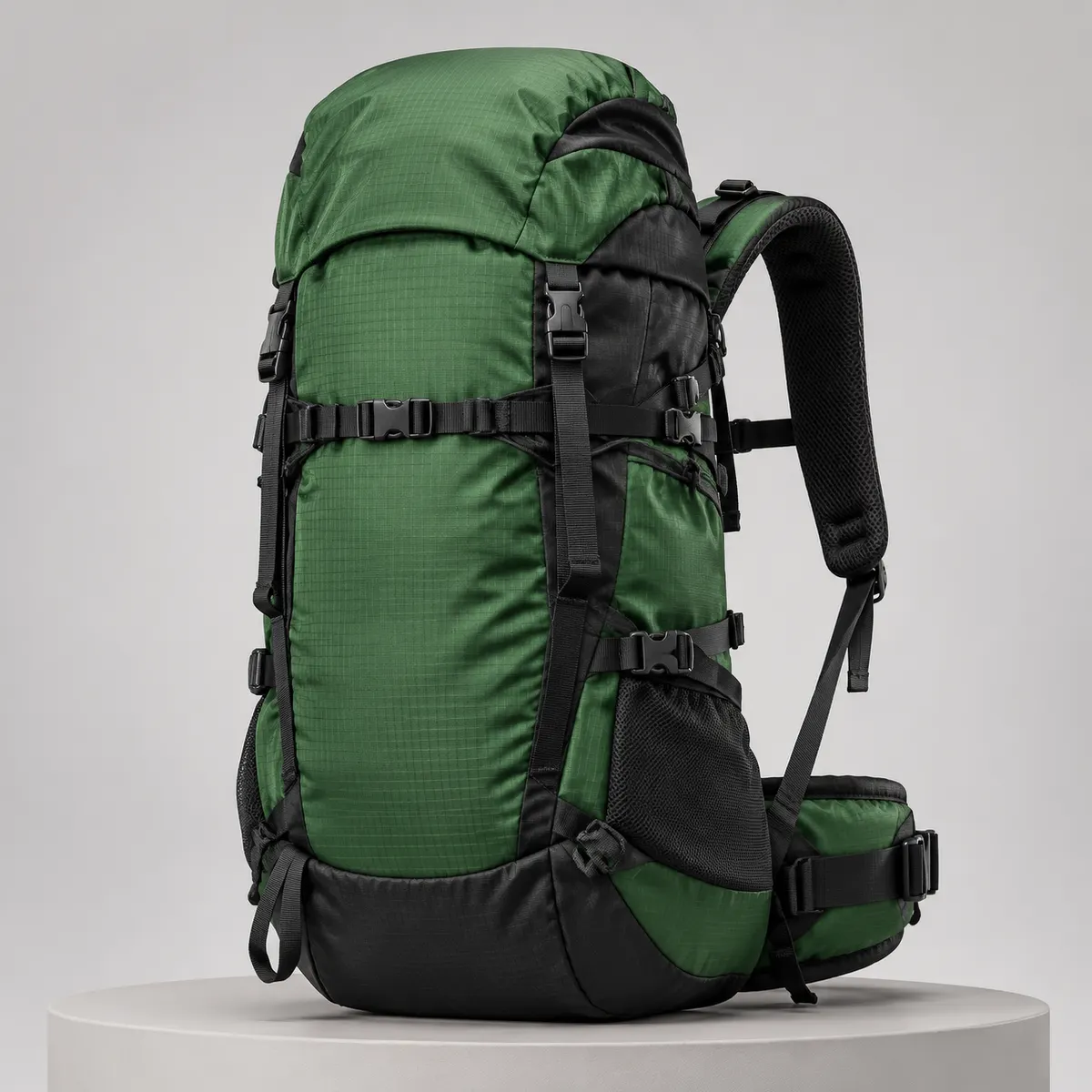
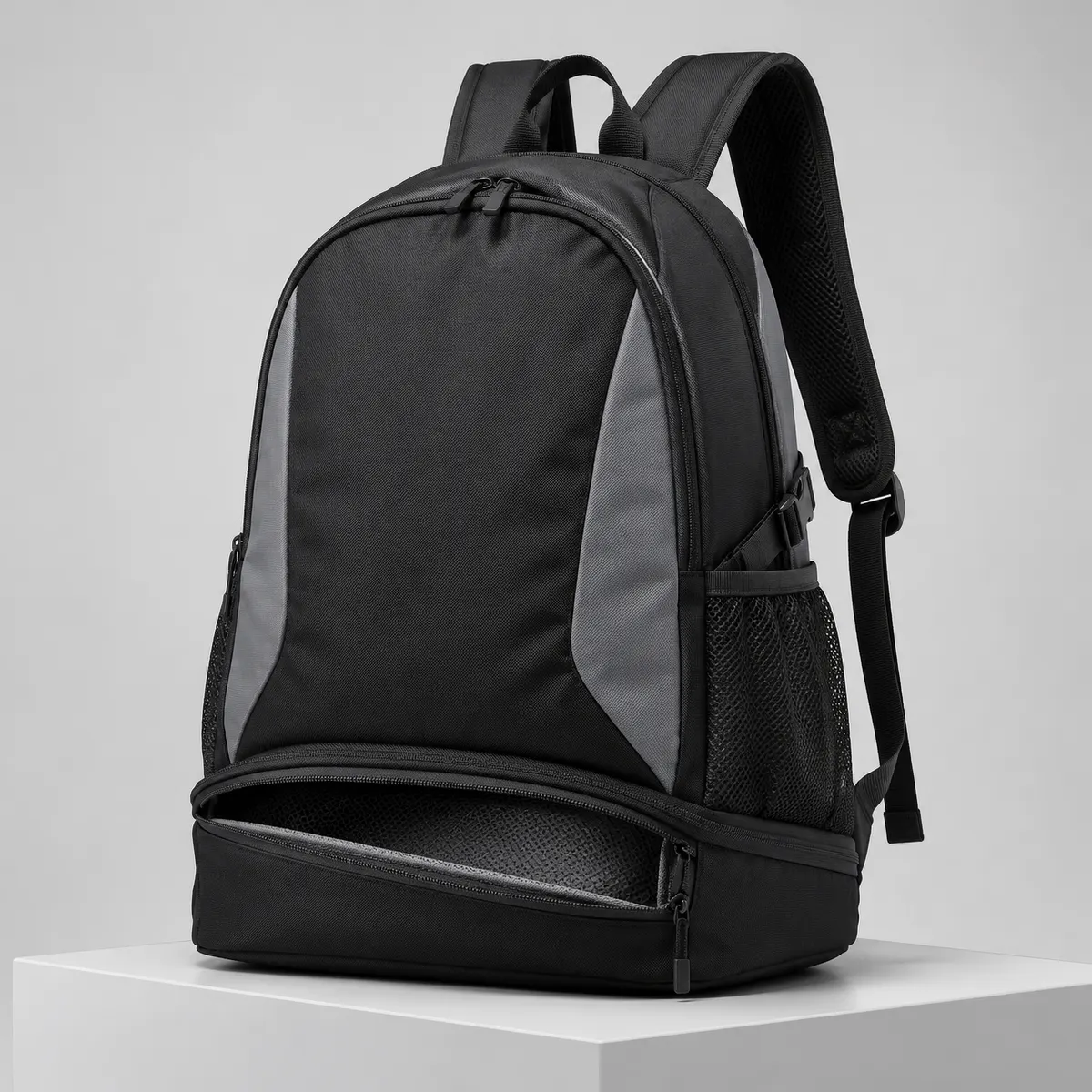
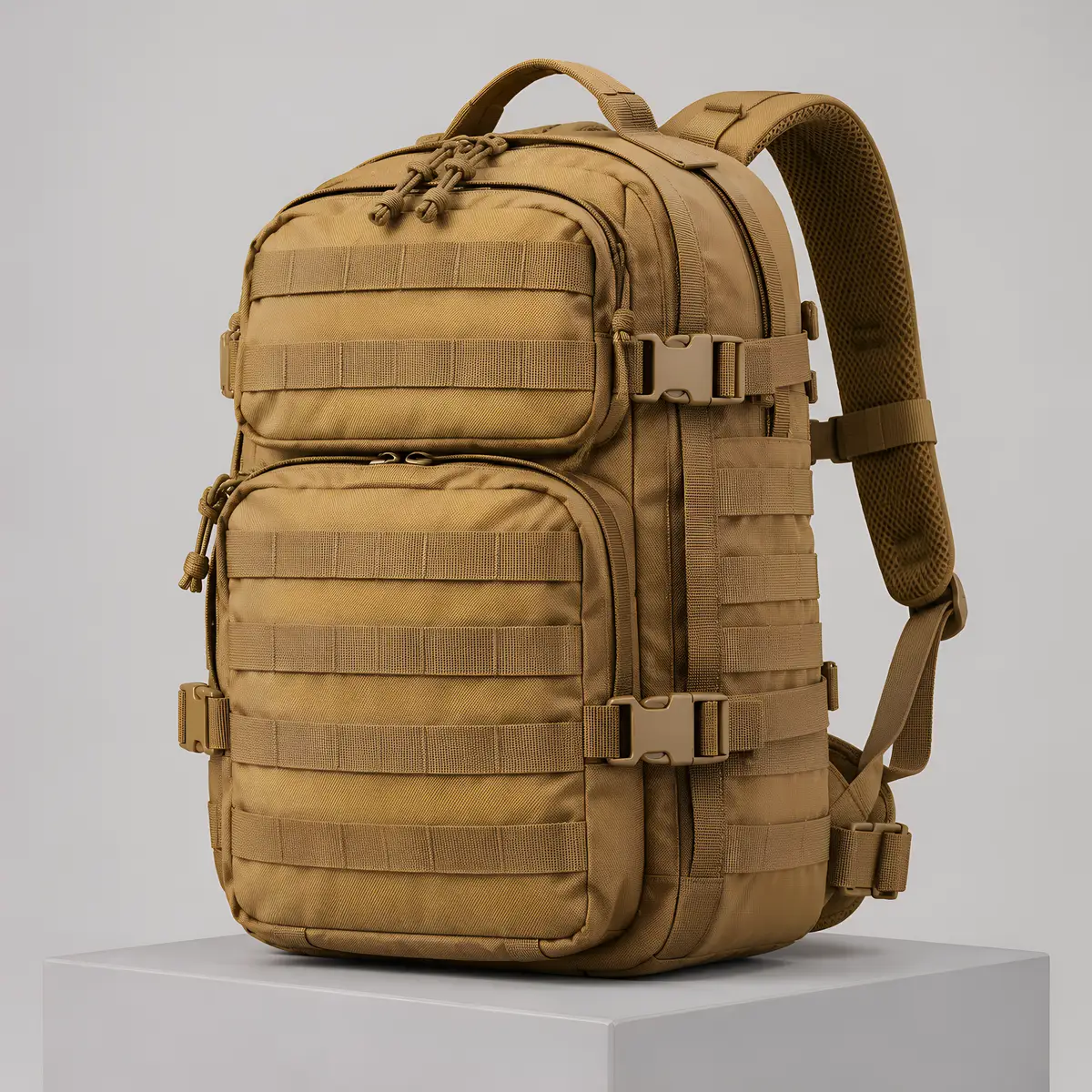
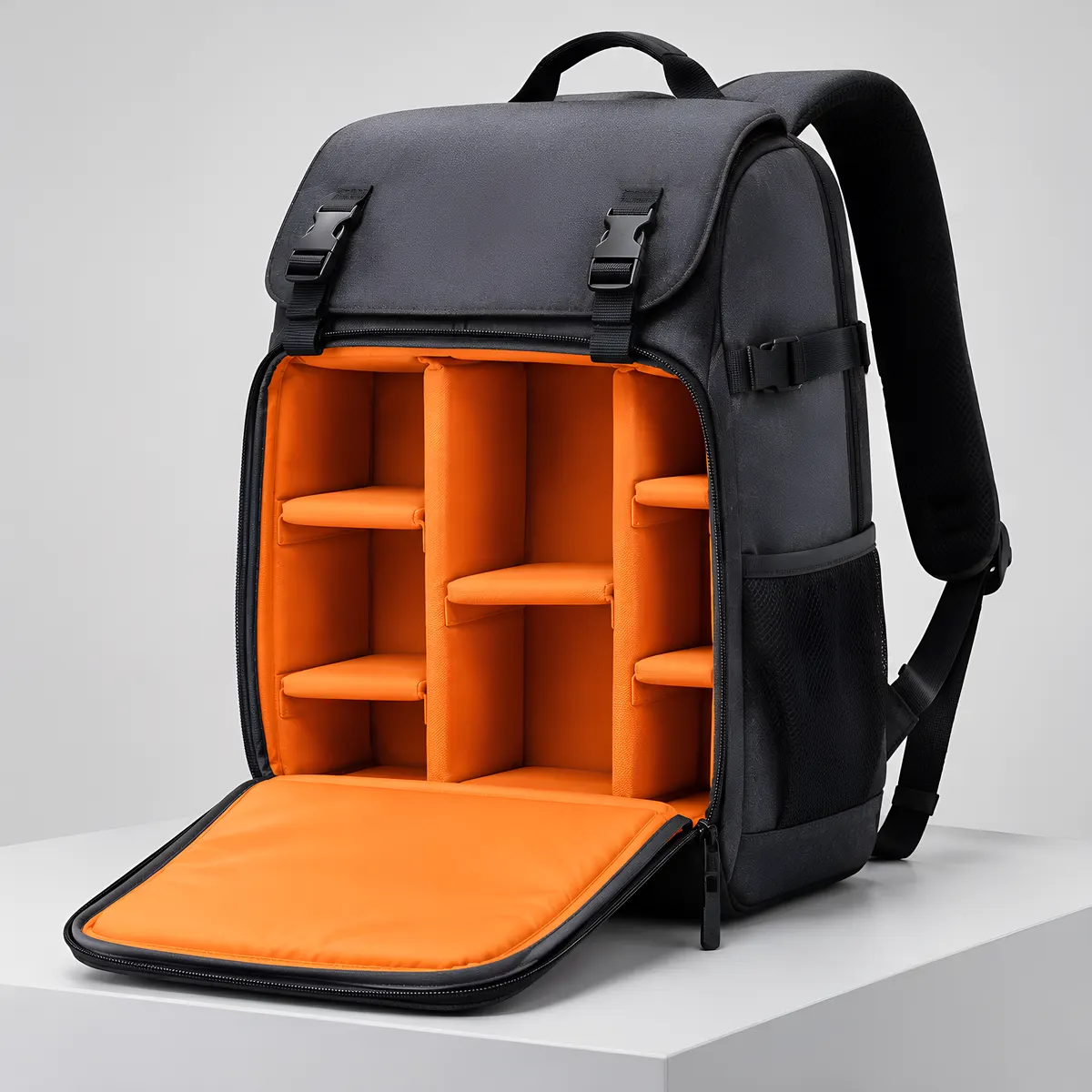
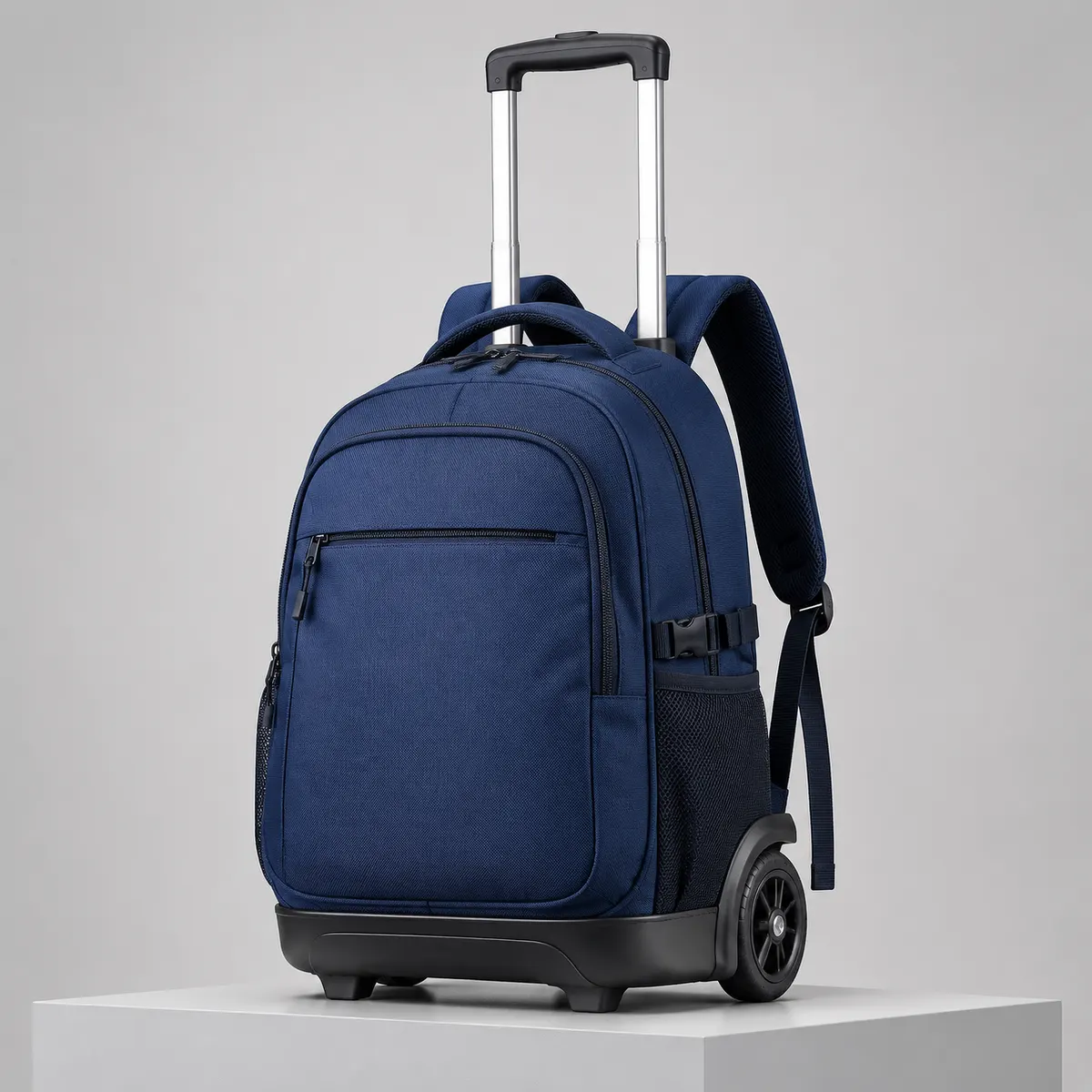
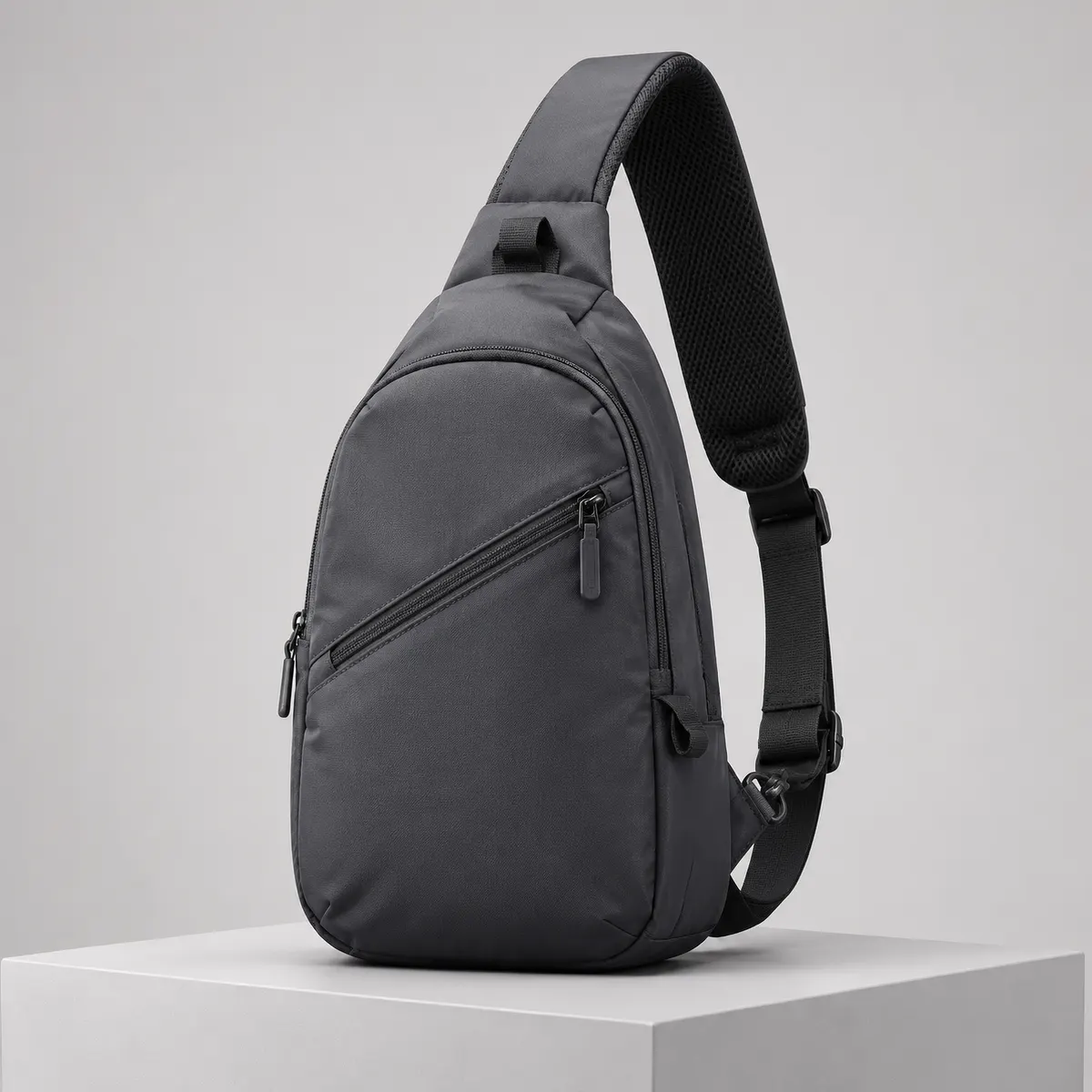
A few of these categories carry enough engineering depth to justify dedicated reading before you commit a specification. Laptop programs should review the custom laptop backpack manufacturing guide; outdoor and security programs the custom tactical backpack sourcing guide; sports programs the guide to custom gym bags for sports brands; and if you are still deciding which silhouette fits your market at all, the full types of backpacks guide maps every category with its production implications.
Keep one commercial reality in mind as you shortlist: search demand concentrates on the generic bulk terms, not the niche ones. In Semrush's US database (collected November 2026), "bulk backpacks" shows 1.9K monthly searches at 27% keyword difficulty, "backpacks in bulk" 1.3K at 24%, and "wholesale backpacks" 1.3K at 32% - while long-tail variants like "bulk order backpacks" (210 searches, 28% KD) and "backpacks in bulk for charity" (170 searches, 20% KD) are smaller but signal highly specific buying intent. If you are a reseller building your own landing pages, that distribution tells you where to aim your category page and where a focused program page will convert better.
Fabrics and Components That Decide How a Bulk Backpack Performs
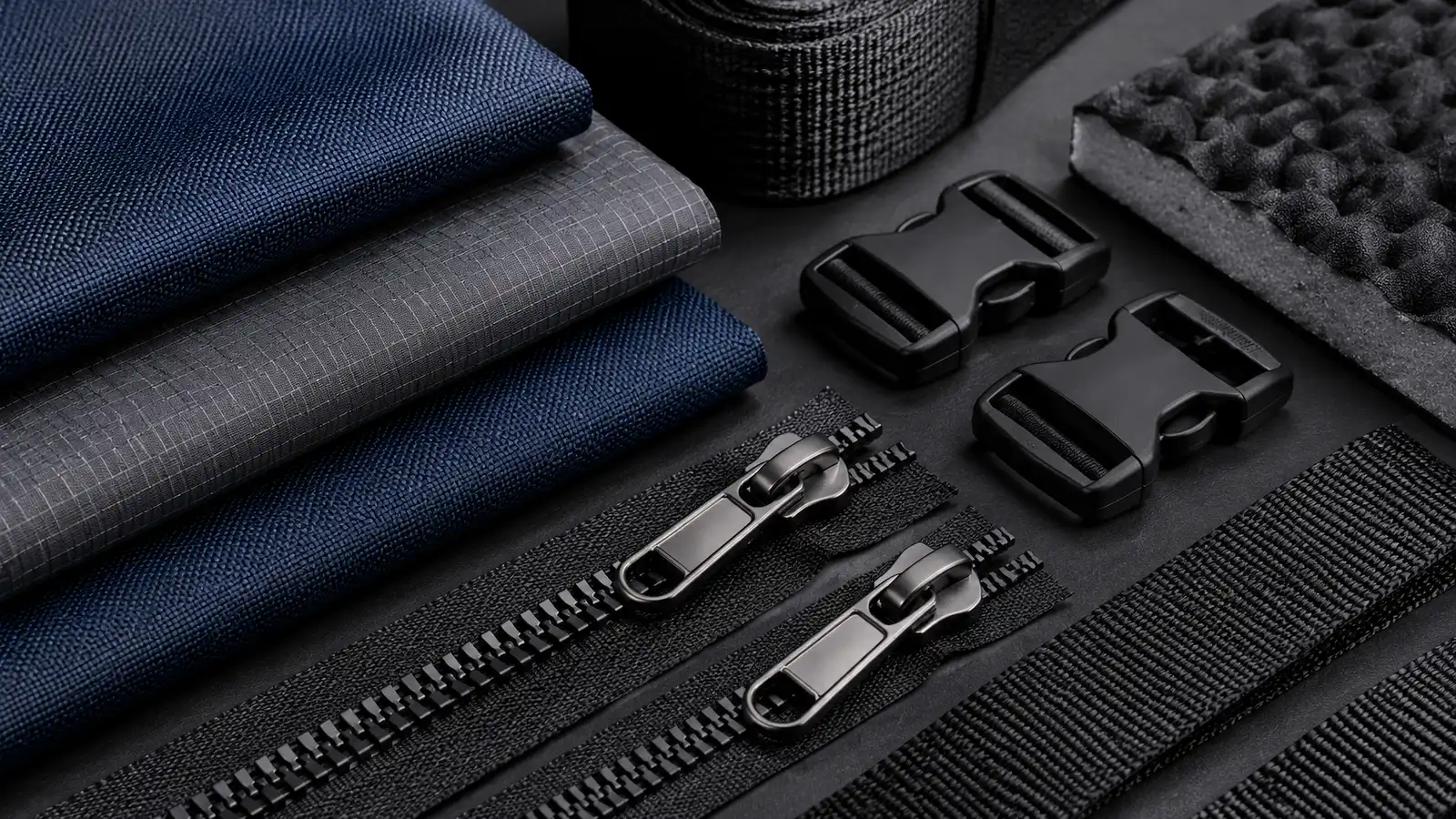
Two backpacks can look identical in a photo and behave completely differently after three months of daily use. The difference lives in the fabric denier, the coating, the zipper gauge, the webbing weave and the foam density - line items that a one-line quotation never shows. Specify them yourself, or accept whatever keeps the factory's cost lowest.
Choosing the shell fabric
| Fabric | Typical spec | Strengths | Watch out for | Typical use in bulk programs |
|---|---|---|---|---|
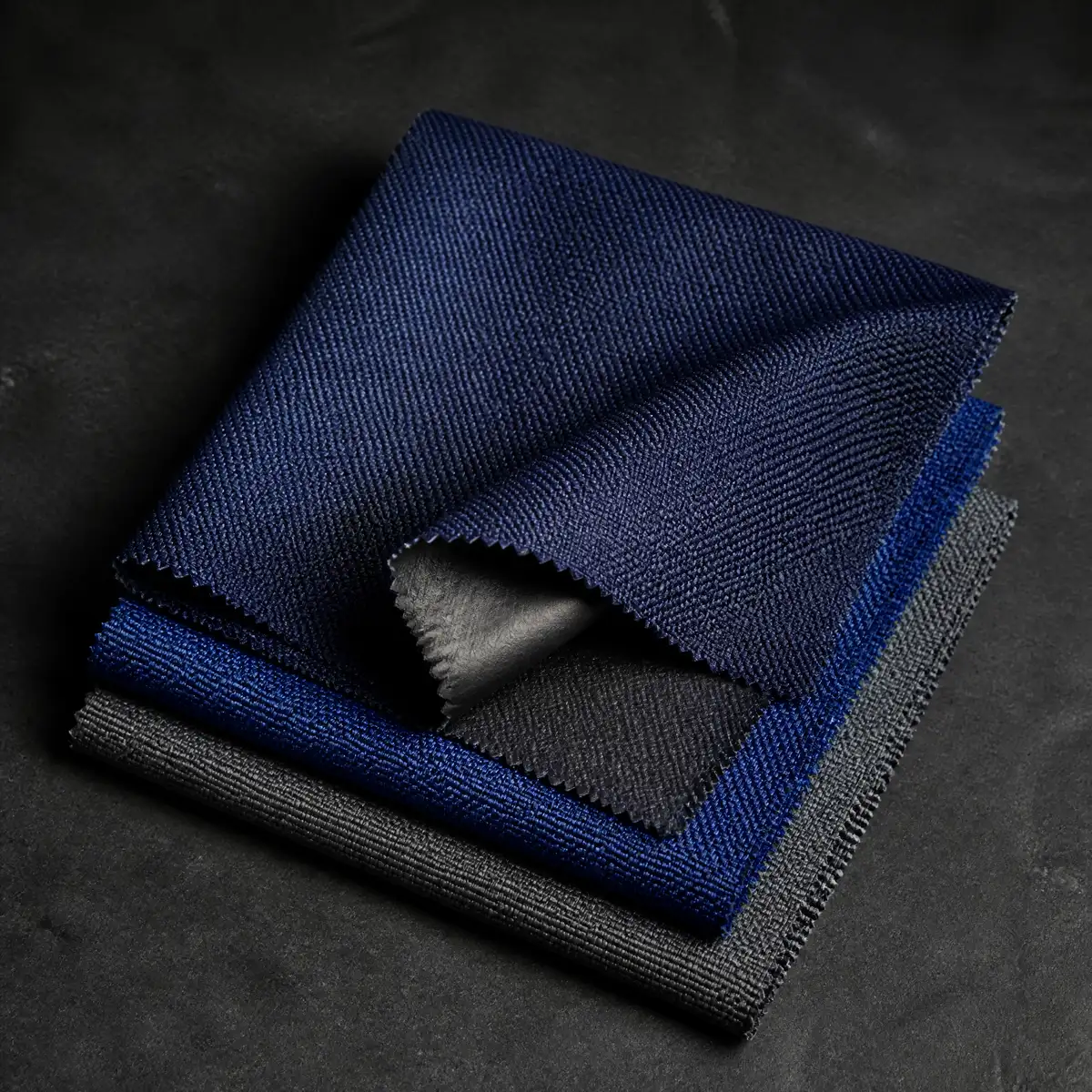
| Polyester | 210D-600D, PU coated | Low cost, good color fastness, easy printing | Low-denier versions sag under load | School, promo, budget retail |
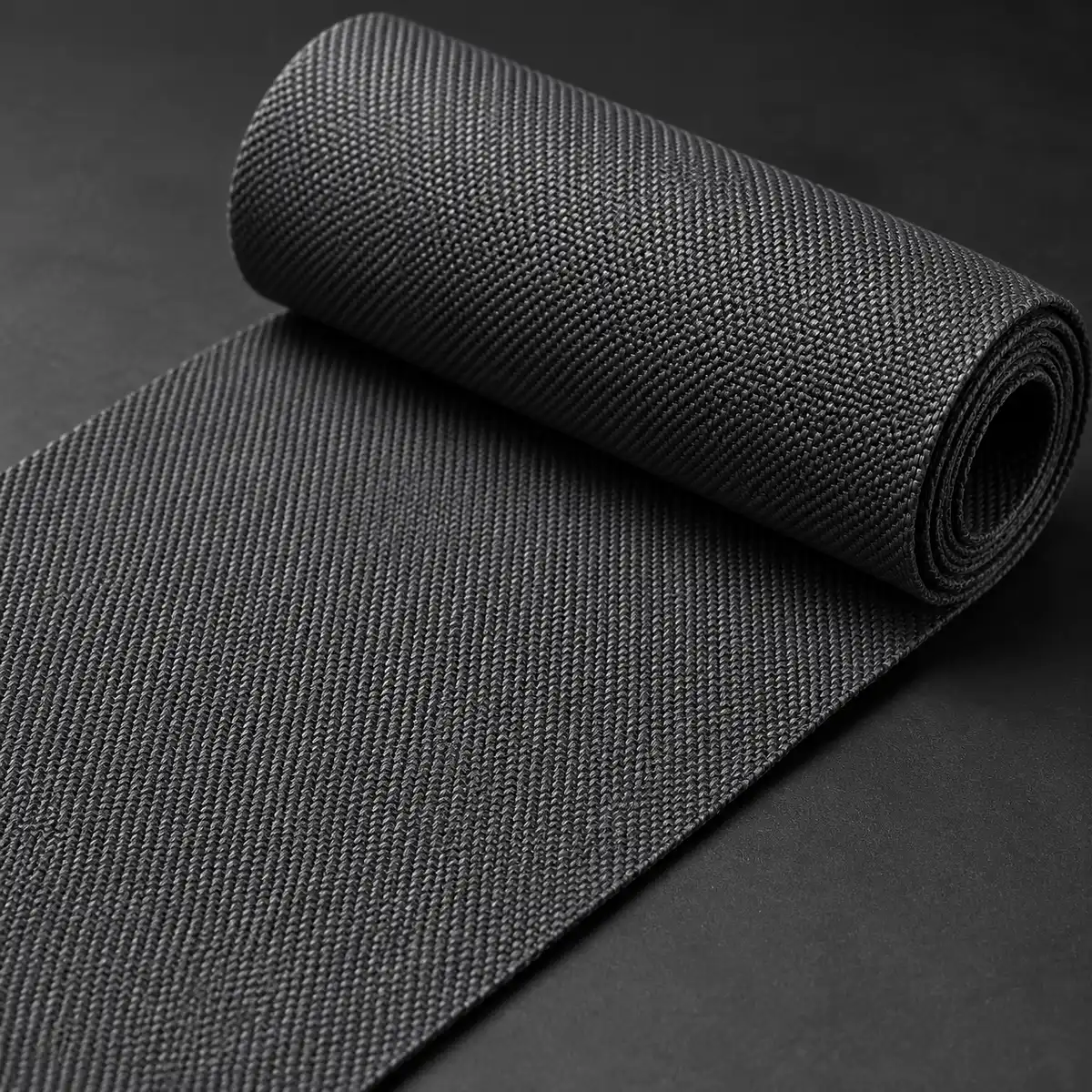
| Oxford | 420D-1680D | Dense weave, abrasion resistance, structured look | Heavier than equivalent nylon | Laptop, business, travel |
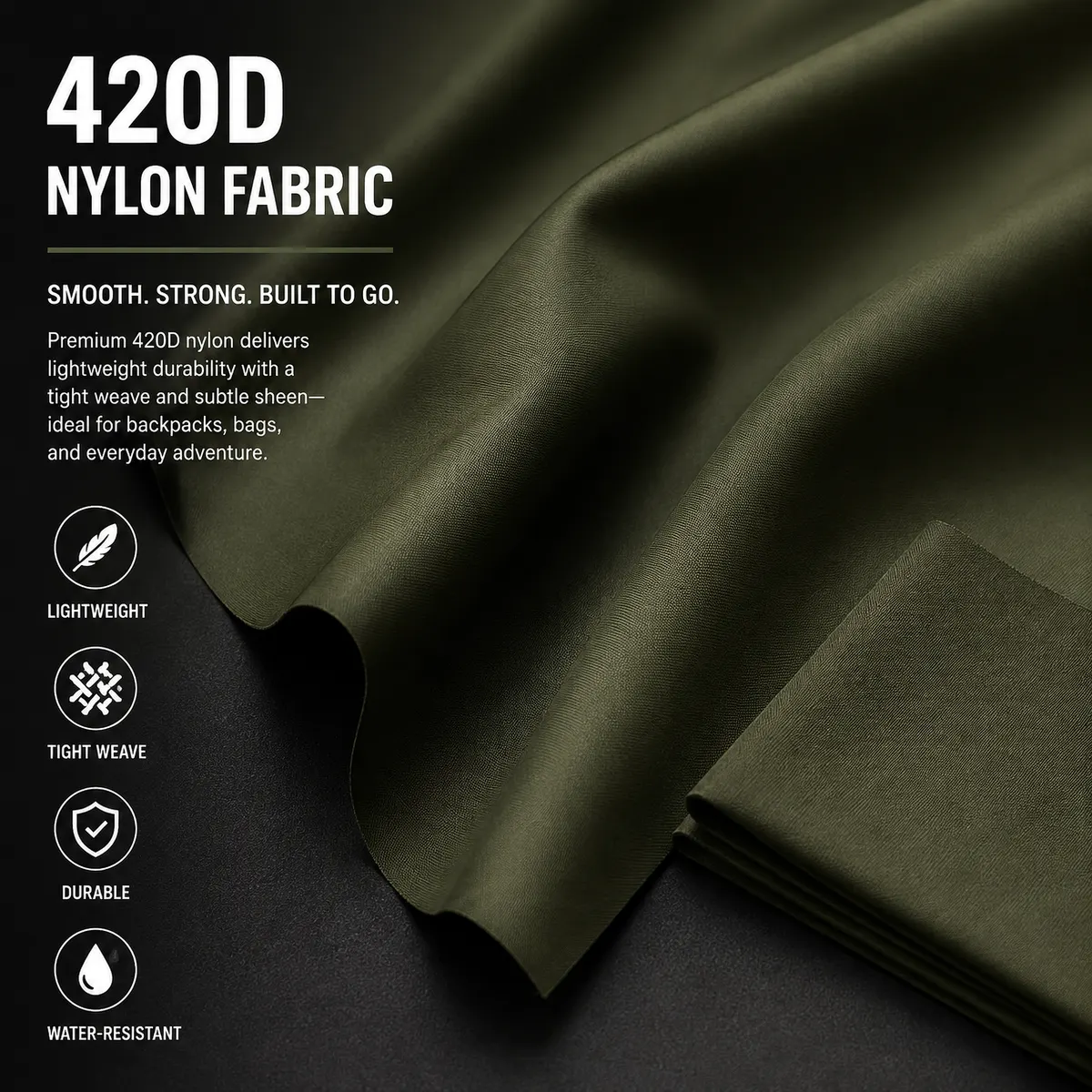
| Nylon | 210D-420D | Higher strength-to-weight than polyester | Costs more; dye lots drift more | Outdoor, premium retail |
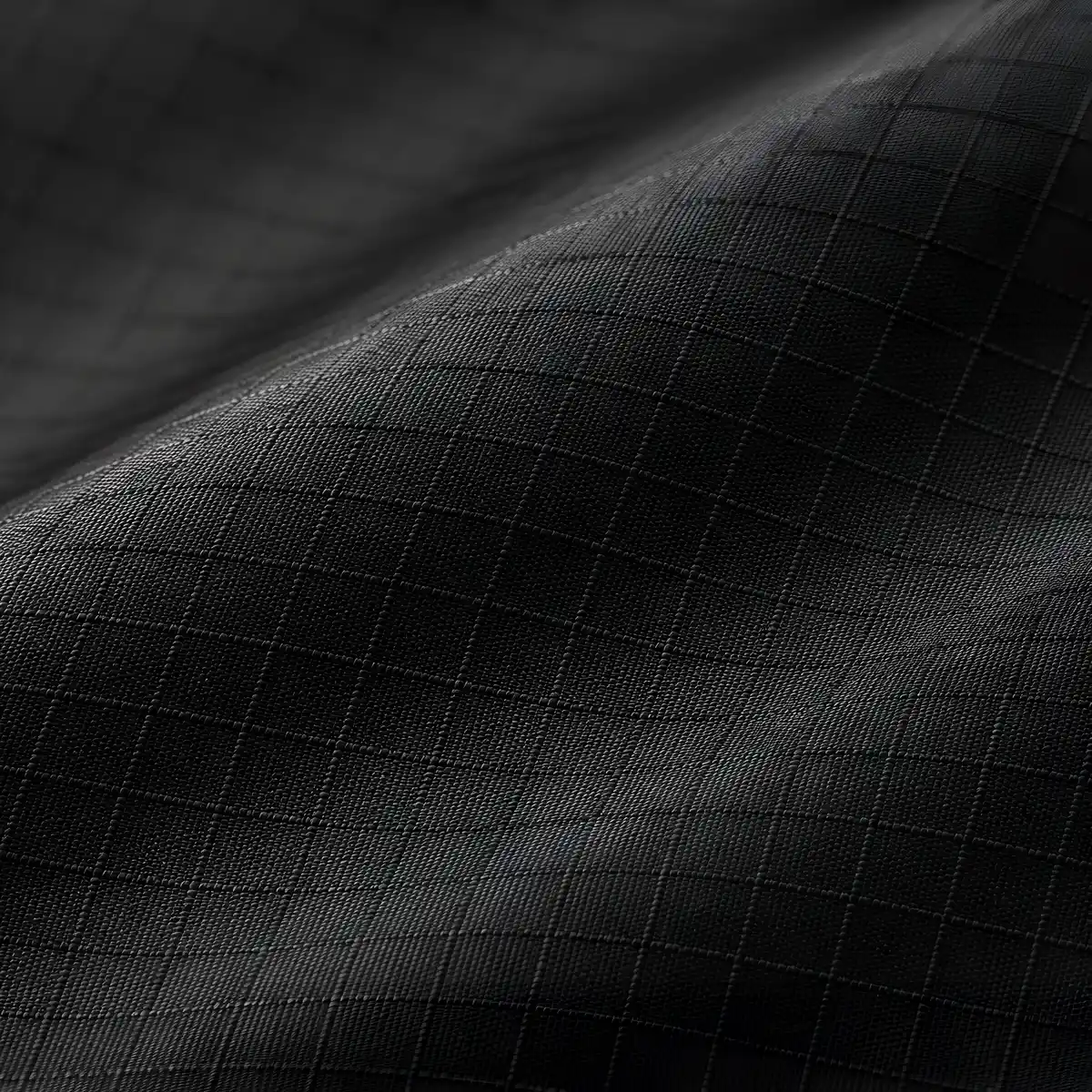
| Ripstop nylon | 70D-210D with rip grid | Tear propagation resistance at low weight | Thin versions need lining support | Hiking, packable designs |
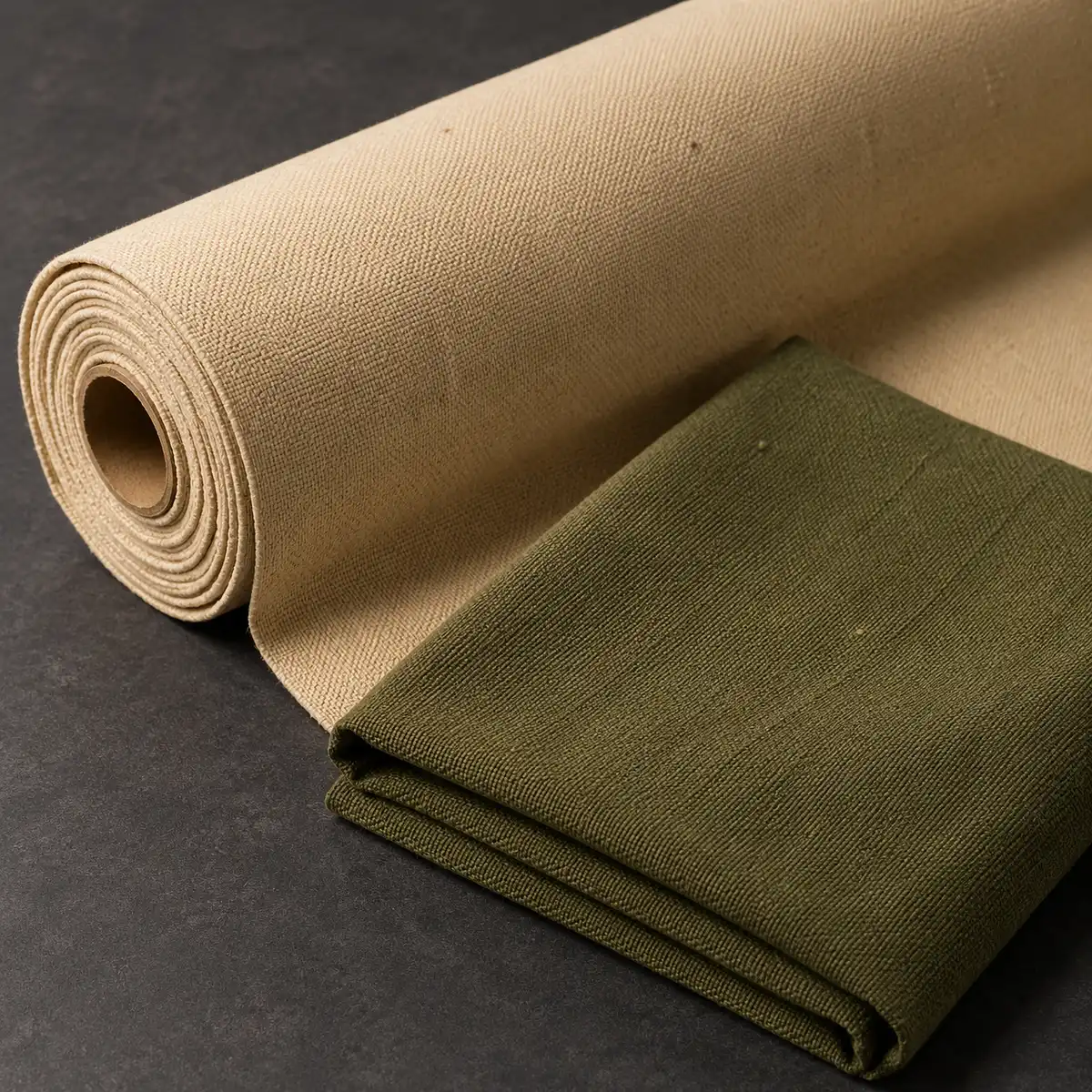
| Cotton canvas | 12 oz-18 oz | Natural texture, heritage look, ages well | Heavy; needs wax or coating for weather | Lifestyle and heritage brands |
| Sandwich mesh | 3D spacer knit | Breathability on back panels and straps | Snags if used on exterior wear zones | Back panels, strap undersides |
| Clear PVC / TPU | 0.5-0.8 mm film | Stadium-compliance transparency | Cold-weather cracking in cheap PVC | Clear security and event bags |
Fabric choice interacts with branding: embroidery sinks into canvas beautifully but puckers thin ripstop; sublimation needs polyester content; high-frequency welded badges need coated surfaces. If fabric is the center of your brand story, our custom fabrics page covers the options we stock and convert, and the deep dive on Cordura fabric explains when that premium is worth paying.
The five workhorse shell fabrics, photographed the way they arrive at our cutting room:
Zippers, webbing, buckles and foam
Hardware is where cheap bags save their pennies and lose their reviews.
- Zippers: specify brand (YKK, SBS, or factory-grade), type (coil vs. molded), and gauge (#5 for main compartments, #8 or #10 for luggage-class openings). Coil zippers self-repair small derailments; molded teeth look premium but fail harder. Reversed-coil water-repellent zippers add cost and weather resistance.
- Webbing: polypropylene webbing is standard at budget level; nylon webbing carries more load and feels denser. Check the weave edge - fraying webbing edges on a sample predict fraying straps in the field.
- Buckles and adjusters: POM (acetal) buckles survive cold and impact better than cheap PP. On kids' and school programs, check that buckles meet sharp-edge and small-part safety expectations for your market.
- Foam and padding: back panels and straps use EVA or PE foam between 3 mm and 10 mm. Density matters more than thickness - low-density foam packs out within weeks. Laptop compartments need a firm base layer, not just soft wrap.
- Linings: 210D polyester is the workhorse. Printed linings and contrast colors cost little and photograph well - one of the cheapest perceived-value upgrades available in bulk production.
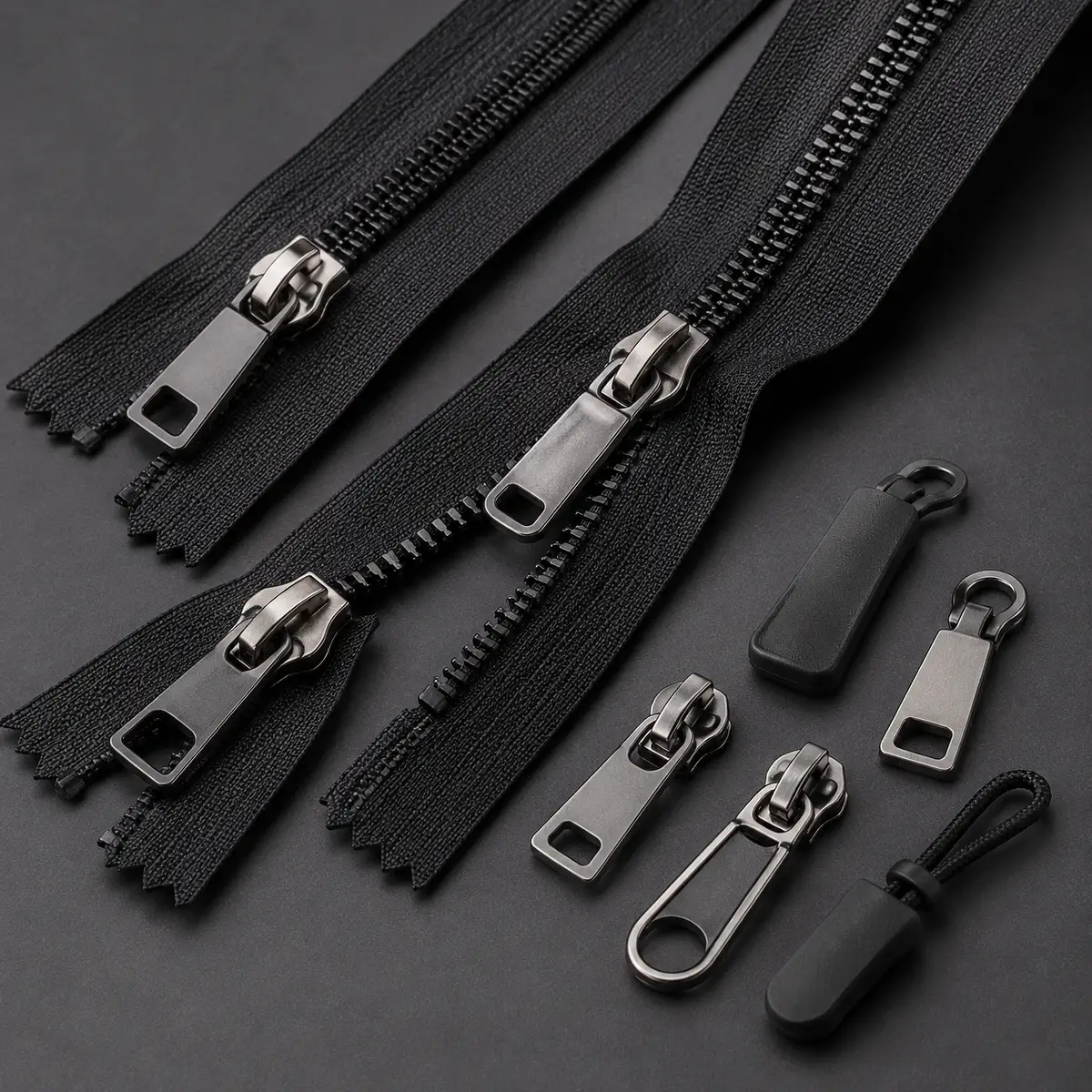
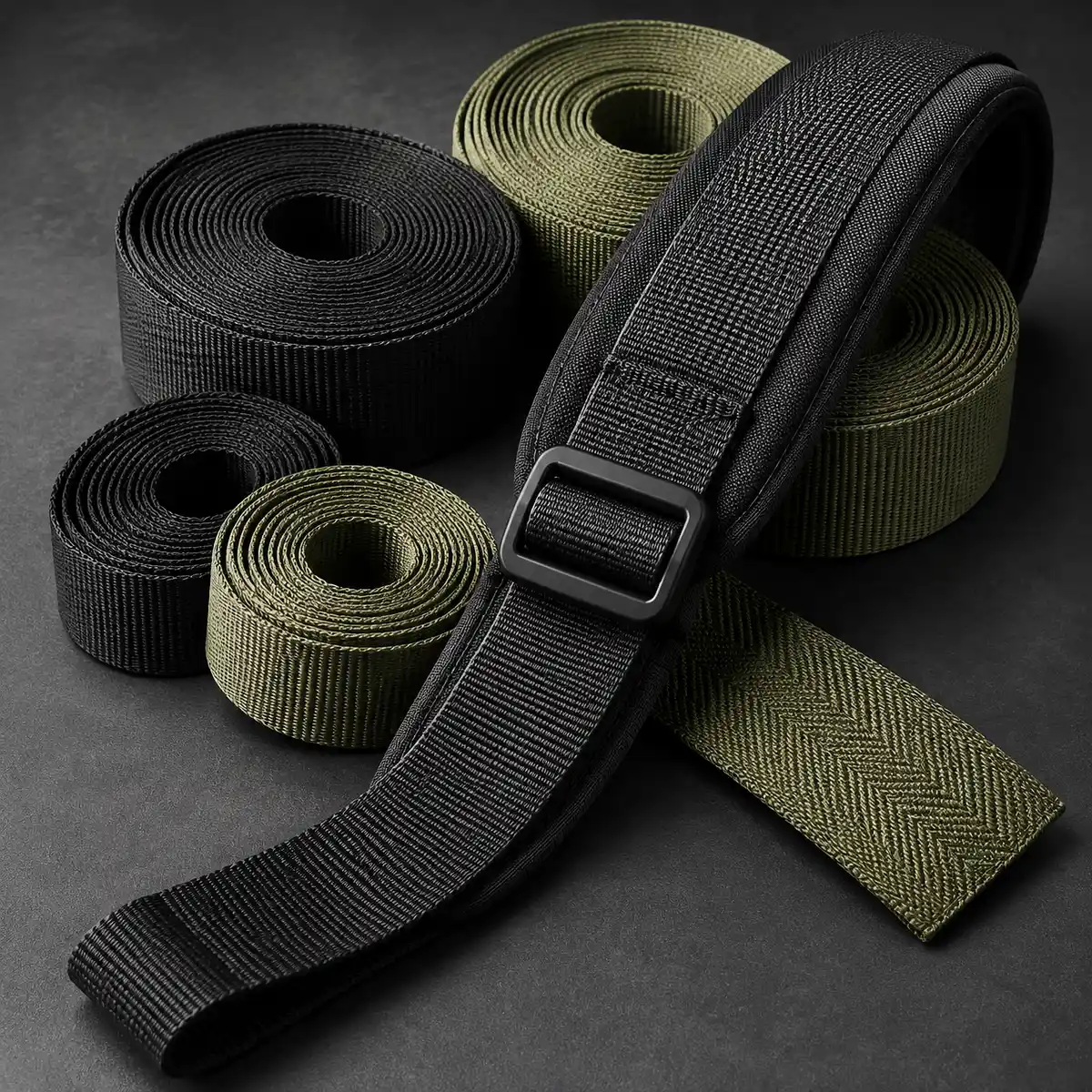
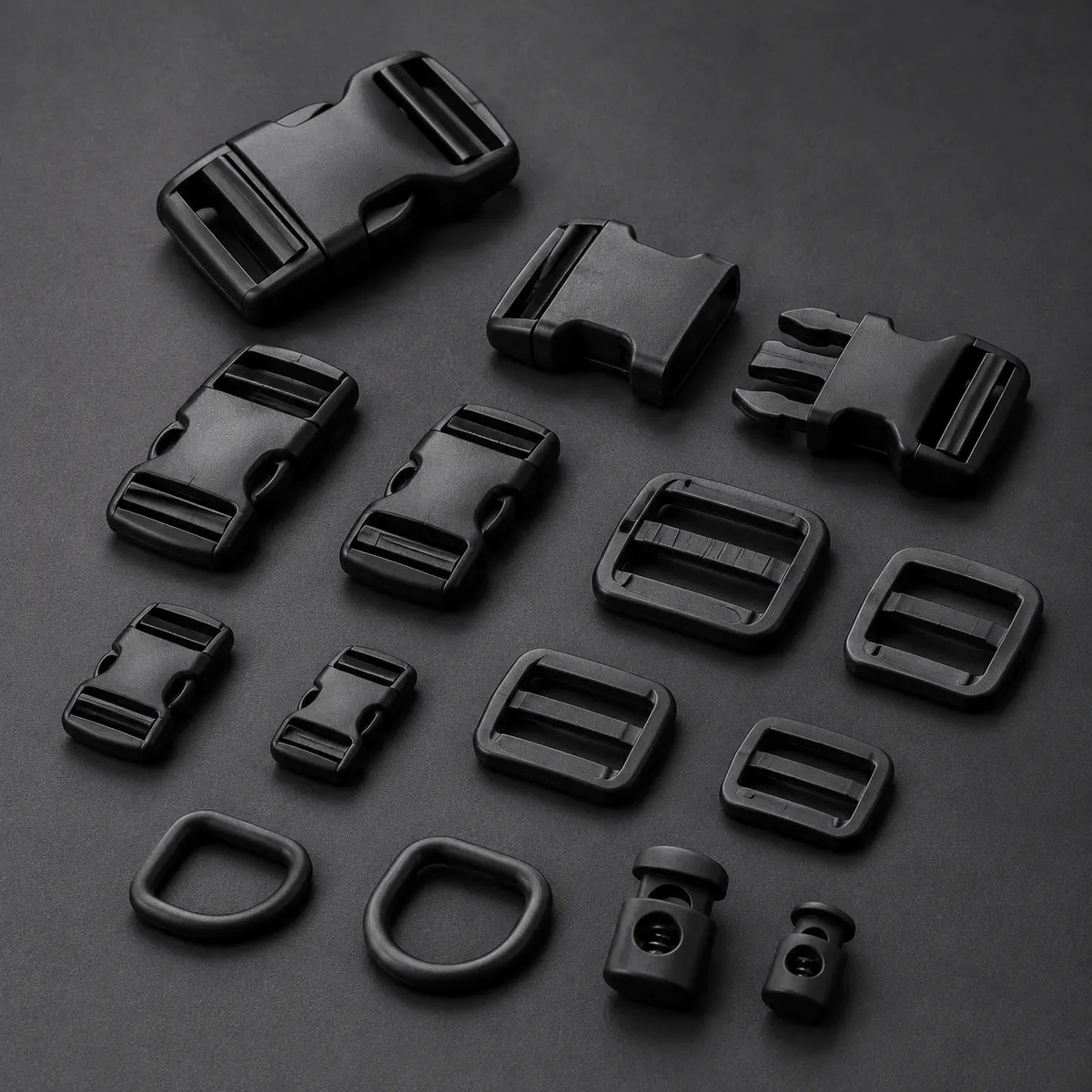
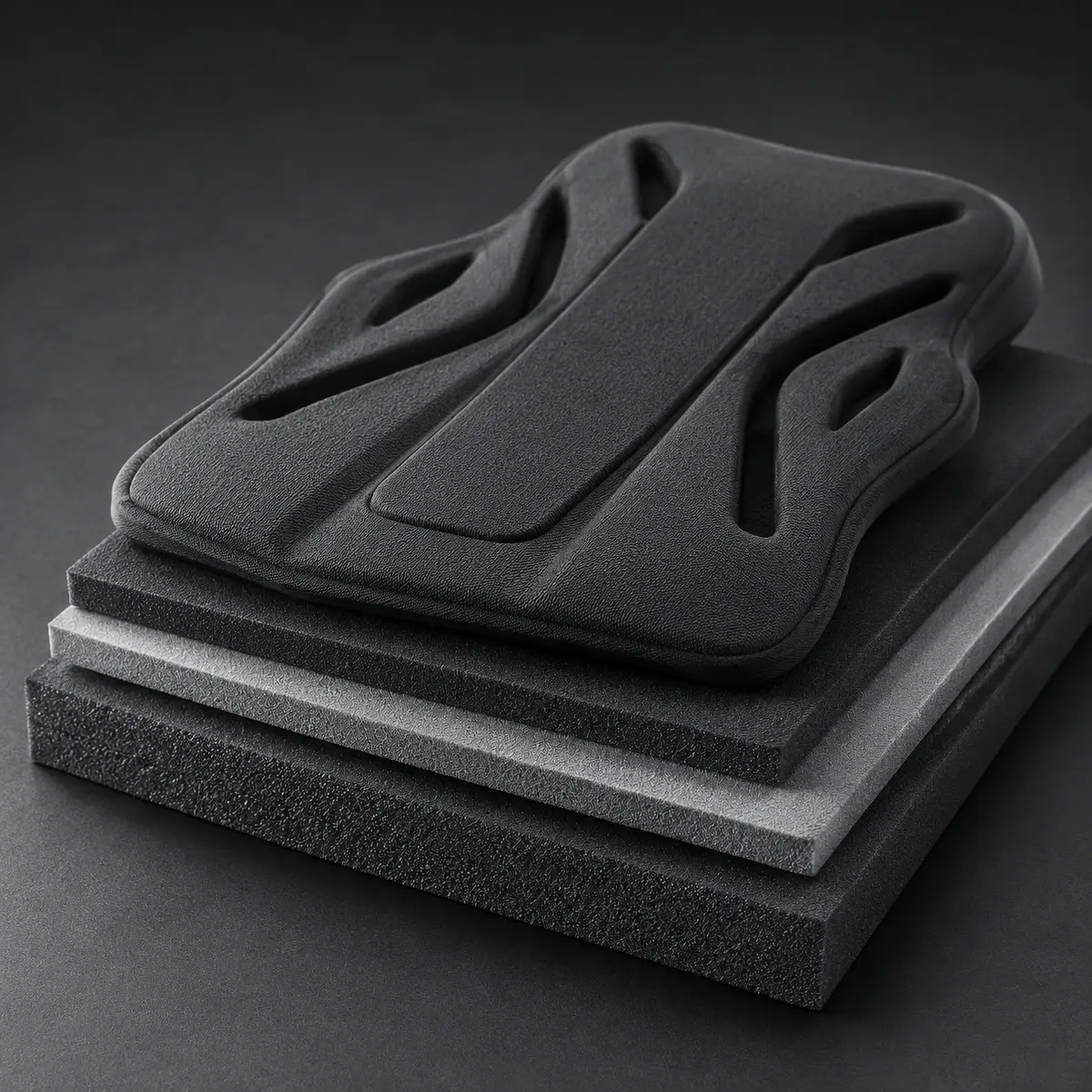
Small metal and molded parts are also a branding surface: custom zipper pulls and buckles turn commodity hardware into brand touchpoints at surprisingly low tooling cost on bulk quantities.
Engineering details that separate reliable bulk backpacks
Beyond materials, five construction details predict whether a bulk backpack survives its warranty period:
- Reinforced strap anchors - bartacks plus webbing that continues into the seam, not stitched to face fabric alone.
- Load-rated seams - main seams sewn at 8-10 stitches per inch with bonded thread; stress points double-stitched or taped.
- Protective device compartments - suspended laptop sleeves that keep the device off the bag's floor, with a false bottom of at least 2 cm.
- Reliable openings - zipper tracks set in straight lines or smooth curves; tight-radius corners cause derailment and should be engineered out at pattern stage.
- Supported bottom construction - a stiffened or double-layered base, because the bottom panel takes the most abrasion of any surface on the bag.
Four of those five checkpoints, photographed at sample-inspection distance:
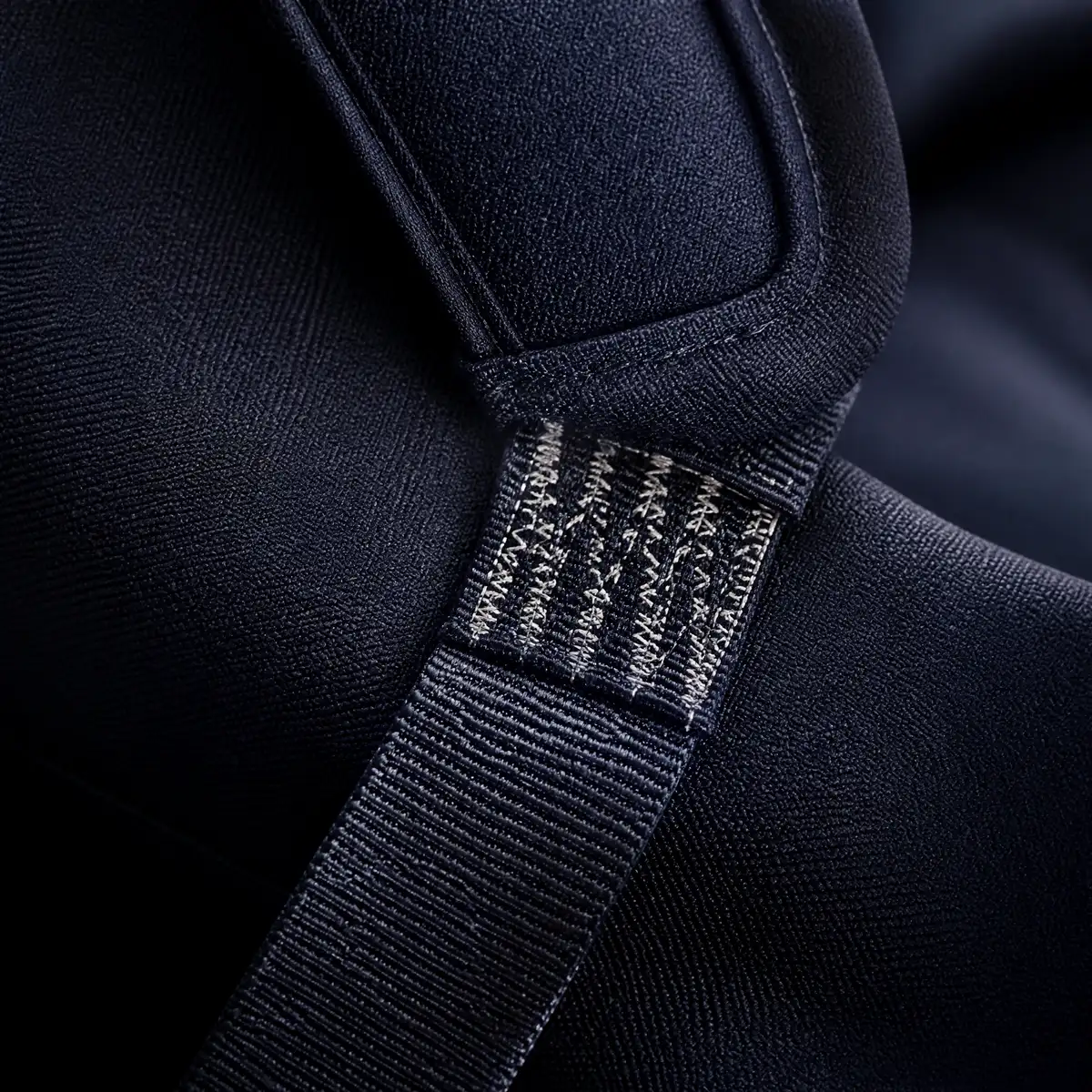
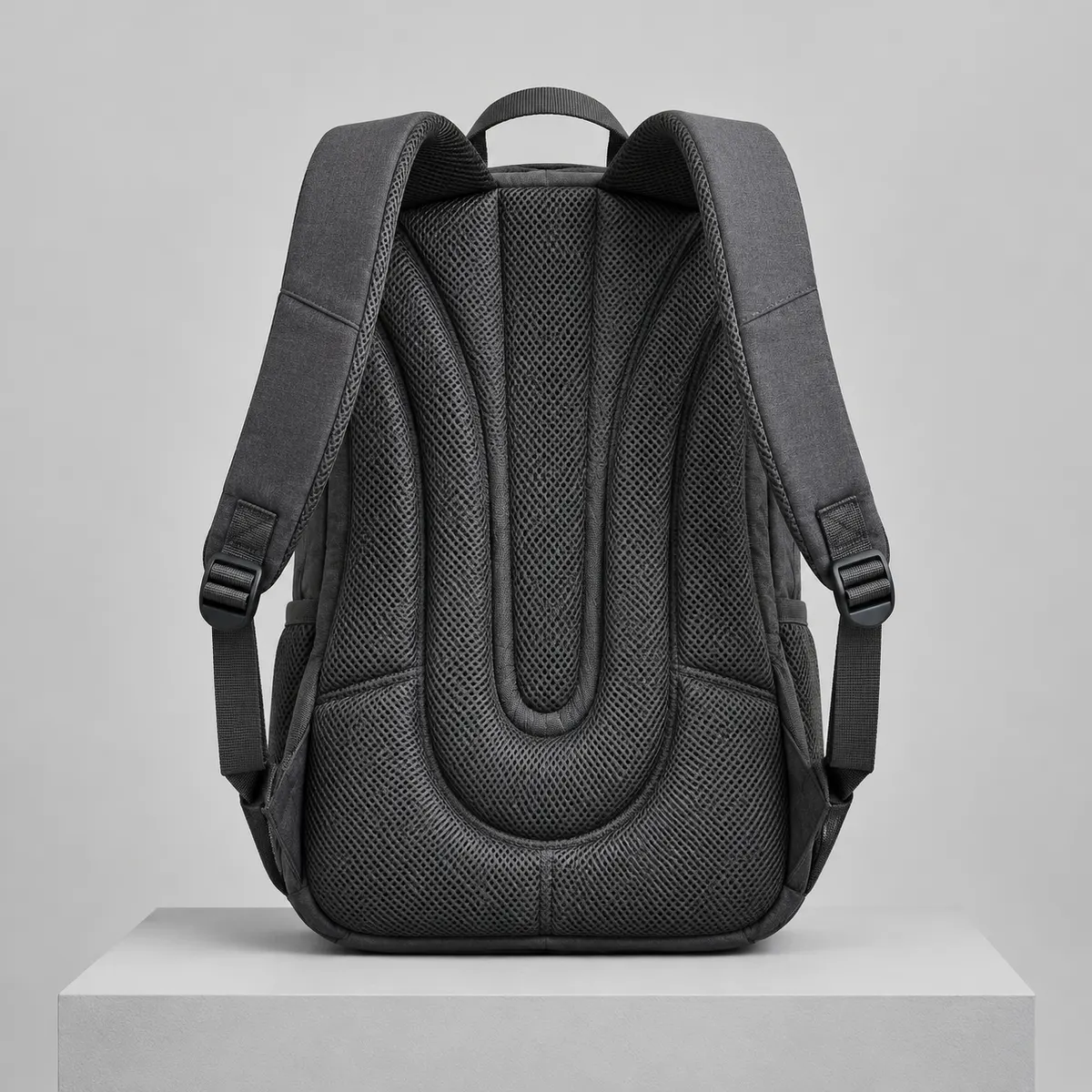
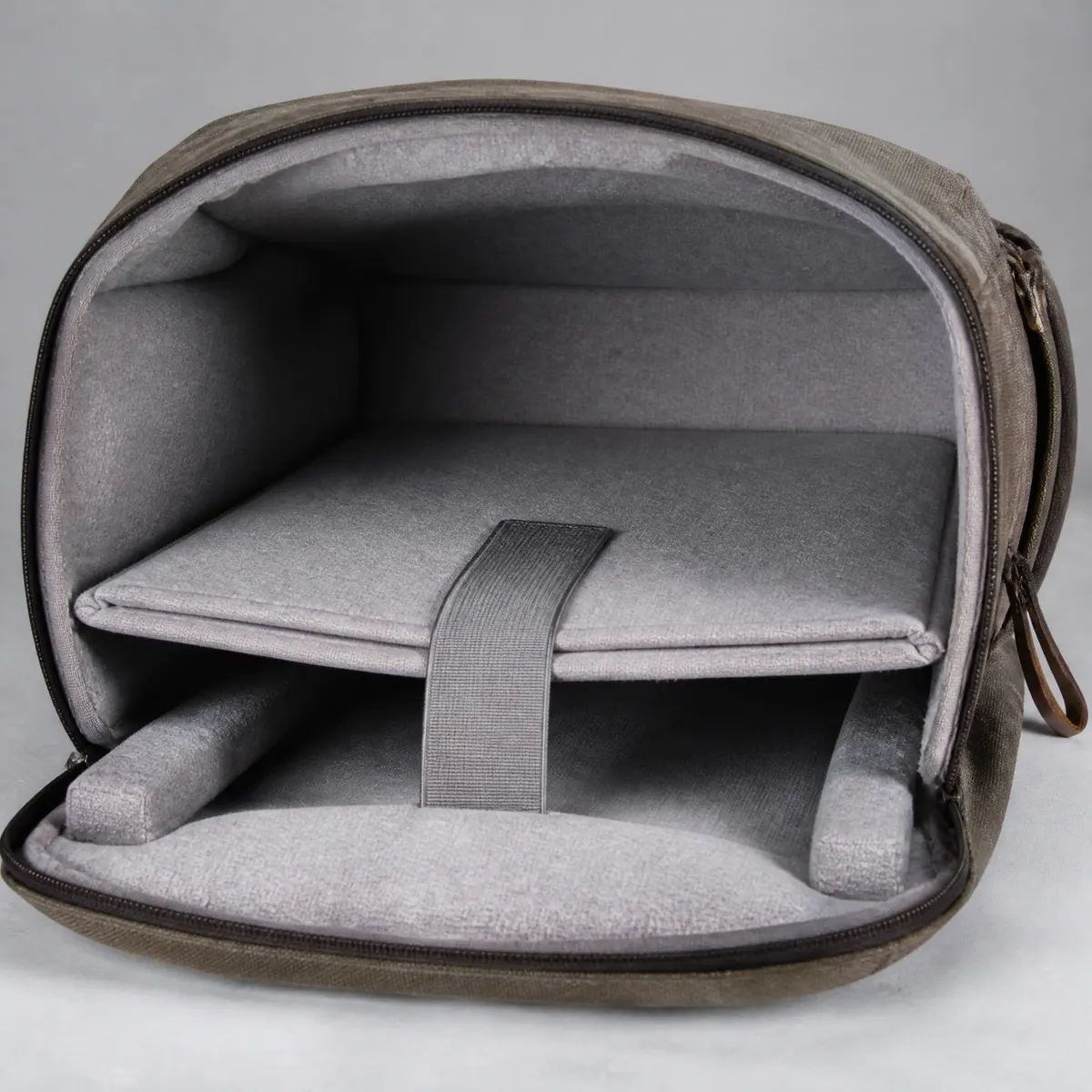
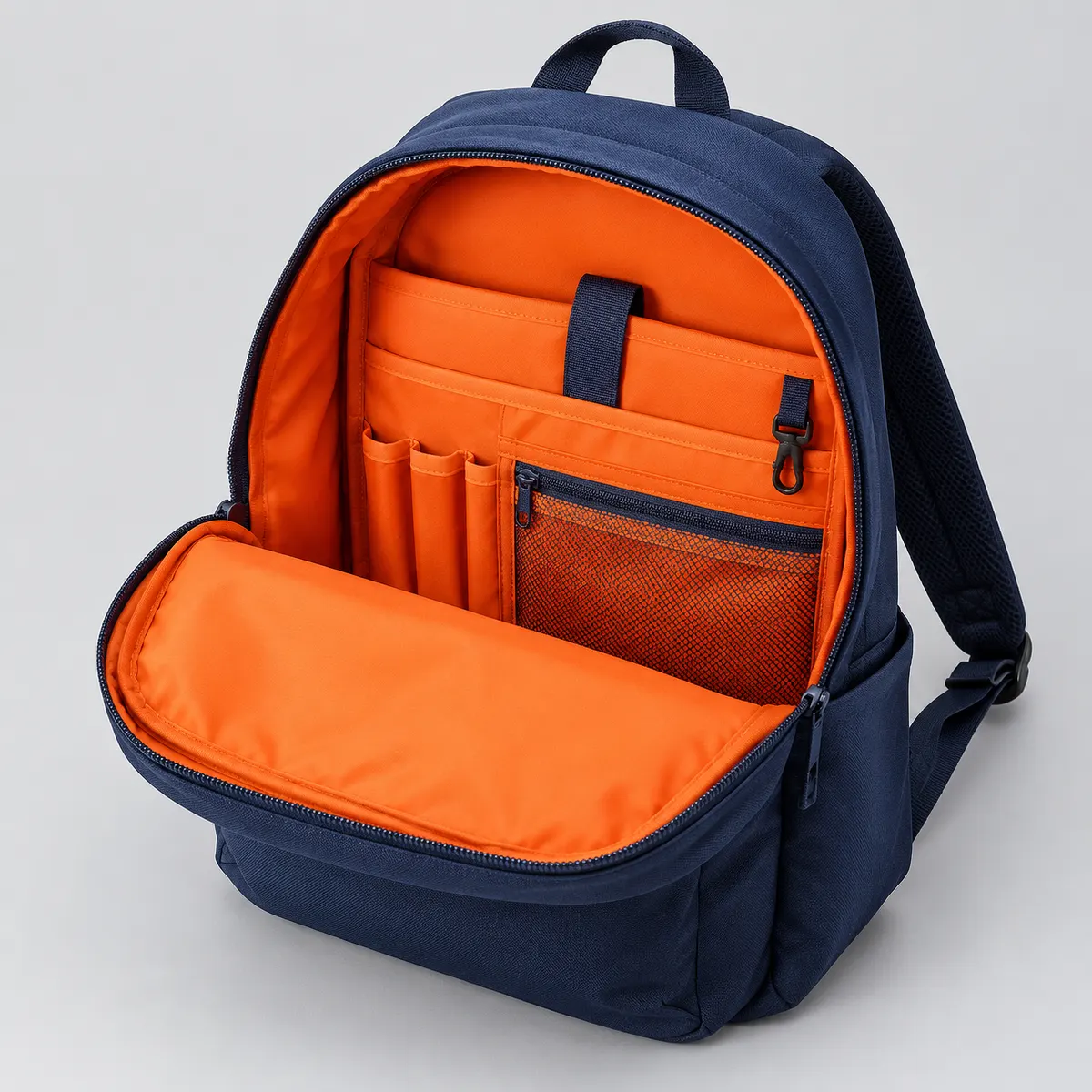
These are the same checkpoints our QC team verifies during production - more on that in the quality section below, and in our dedicated quality assurance overview.
Nine Ways to Customize Backpacks in Bulk
Customization is a spectrum, not a switch. At one end, a stock bag with a printed logo; at the other, a ground-up design where every component is yours. Each step up the spectrum adds cost, lead time and differentiation. The nine dimensions below are the complete menu - decide deliberately which ones your program needs.
| Customization dimension | What changes | Cost impact | When it is worth it |
|---|---|---|---|
| Size and capacity | Pattern scaled or re-drafted to your dimensions | Medium (new pattern) | Device fit, age-group sizing, retail differentiation |
| Fabric and material grade | Shell, lining, trim upgrades or downgrades | Low-high (material dependent) | Durability claims, sustainability stories, price tiers |
| Colors and graphic patterns | Dyed-to-match fabrics, printed panels | Low-medium | Brand color systems, seasonal collections |
| Compartments and layout | Pockets, dividers, organizers re-engineered | Medium (pattern + labor) | Function-led products: laptop, camera, gym |
| Straps and back panels | Padding, mesh, ergonomics, trolley sleeves | Medium | Comfort claims, premium positioning |
| Zippers and hardware | Brand, gauge, finish, custom pullers | Low-medium | Review-sensitive e-commerce, premium feel |
| Logo and brand identity | Embroidery, woven label, PU/rubber patch, metal badge, print | Low | Every branded program - choose method by fabric |
| Special functions | USB ports, anti-theft layouts, hydration ports, reflective trim | Medium-high | Differentiated retail products |
| Packaging and private label | Polybags, hangtags, barcodes, retail boxes, care labels | Low-medium | Retail, FBA, gift programs |
Logo method deserves the most care because it is the most visible decision. Embroidery reads as premium on canvas and Oxford; woven labels suit technical fabrics; silicone and rubber badges survive outdoor abuse; metal badges elevate business lines; screen and heat-transfer printing remain the economical choice for large flat areas and promotional quantities. For a full walkthrough of how these choices interact with production, see how custom backpacks are manufactured.
What Drives the Unit Price of Bulk Backpacks?
Buyers often ask for "a price for 1,000 backpacks" the way they would ask for a price on 1,000 reams of paper. A backpack is not a commodity; it is a bill of materials plus labor plus overhead, and every line of that equation moves with your decisions. Understanding the six drivers below lets you negotiate the specification instead of just the margin.
Order quantity per style
Quantity is the biggest lever, but it works per style and per colorway, not per order. A 3,000-piece order split across six colorways of one style prices very differently from 3,000 pieces across six different styles, because each style carries its own pattern setup, line changeover and material minimums. Fabric mills also impose their own minimums - typically 500-1,000 meters per color for dyed-to-match orders - which is why small custom-color orders sometimes price higher than expected: the fabric minimum, not the factory margin, is the floor.
Fabric and coating choice
Moving from 300D polyester to 900D Oxford can change shell fabric cost by half or more; adding a TPU coating or a water-repellent finish adds again. The discipline is to match fabric to the real use case: a conference giveaway does not need 1000D Cordura, and a hiking pack should not be quoted in 300D polyester just to win on price.
Size and carrying capacity
Material consumption scales with surface area, and labor scales with seam length. A 40 L travel pack simply contains more fabric, more zipper track and more sewing minutes than a 15 L daypack. When budget is tight, trimming 10% from the dimensions saves more than shaving the fabric grade - and the customer notices it less.
Construction and sewing time
Every pocket, divider, compression strap and curved seam adds minutes on the line. Factories cost labor by standard minutes, so a 14-panel design with eight pockets costs measurably more to sew than a 9-panel design with four - even in identical fabric. During development, ask the factory which features drive the most labor; often one low-value pocket is hiding a disproportionate share of the sewing cost.
Logo and component selection
Branding costs behave differently by method: screen printing is cheap per unit but charges per color; embroidery prices by stitch count; metal badges and custom zipper pullers carry one-time tooling that amortizes beautifully over bulk quantities but stings on small runs. Hardware upgrades (YKK zippers, POM buckles) add predictable cents per unit and tend to repay themselves in reduced return rates on review-driven channels.
Packaging and freight volume
Packaging is a double cost: the material itself, and the container space it occupies. Individual retail boxes can consume more freight volume than the bags inside them. Compressed packing, nested folding and right-sized cartons routinely cut dimensional volume meaningfully on soft backpacks - worth engineering before you book the container, not after. For a line-by-line anatomy of a real quotation, see the custom backpack cost breakdown.
MOQ, Sampling Time and Production Schedule for Bulk Orders
Minimums and lead times are where expectation gaps hurt most, so here are honest reference numbers. At Senszx, full-custom OEM/ODM programs run at an MOQ of 500 pieces per style; projects below that threshold can proceed through a development-fee model, where the fee is credited back against the eventual bulk order. Standard sampling takes 3-5 days for designs based on existing patterns, and bulk production runs approximately 20 days once materials are in-house - complex constructions and peak-season loading extend that, which your quotation will state explicitly.
| Program stage | Typical duration | What determines it |
|---|---|---|
| Quotation | 1-3 working days | Completeness of your specification |
| Sample (existing design base) | 3-5 working days | Material availability, logo method |
| Sample (full new development) | 7-15 working days | Pattern complexity, revision rounds |
| Material procurement | 7-15 days | Dyed-to-match fabrics, special trims |
| Bulk production | ~20 days at MOQ scale | Quantity, construction complexity, line loading |
| Export packing and handover | 2-4 days | Packing requirements, inspection scheduling |
Three scheduling rules save programs:
- Count backwards from your in-hands date, including ocean transit (typically 18-35 days to US ports depending on coast and routing), customs clearance and inland delivery - not just factory time.
- Approve samples decisively. Every sample revision round adds its own courier and build time; three slow revision rounds can cost more calendar time than the entire bulk run.
- Reserve capacity early for peak seasons. Back-to-school production happens in April-June; holiday retail ships by September. Factories allocate line capacity to confirmed orders first.
From brief to approved pre-production sample
A disciplined development sequence protects both sides: project and quantity review, fabric and trim selection, pattern and structure development, physical sample construction, sample revision and confirmation, and finally pre-production standard approval - where the sealed sample becomes the contractual quality reference for the bulk run. Buyers who arrive with a complete brief move through this sequence in one or two rounds; buyers who specify as they go pay for every change in calendar days. Our RFQ preparation guide shows exactly what a complete brief contains, and the free sample program explains how sample costs work and when they are waived.
How a Factory Actually Runs Your Bulk Backpack Production
Once the pre-production sample is sealed, a competent factory runs your order through six controlled stages. Knowing the sequence lets you ask for status in terms the production floor actually uses - and spot vague answers that signal trouble.
- Production planning and BOM release. The approved sample is decomposed into a bill of materials: every fabric, zipper, webbing, buckle, thread, label and polybag, each with a supplier reference and a required-by date. Line capacity is booked against your delivery date.
- Material and trim procurement. Fabrics are ordered against lab-dip approvals; trims against the sealed sample. This stage, not sewing, is usually the critical path - a late fabric delivery delays everything behind it.
- Incoming checks and cutting. Arriving materials are inspected for color accuracy, width, defects and shrinkage before cutting is authorized. Panels are cut in lays, bundled and tracked by lot so that any downstream issue traces back to a fabric roll.
- Logo application and sewing. Decoration happens at the panel stage - embroidery, printing and badge attachment are far more accurate on flat panels than on finished bags. Sewing then proceeds station by station, with operators specialized by seam type.
- Assembly and in-line QC. As sub-assemblies merge into finished bags, in-line inspectors check stitch density, alignment, and hardware function at fixed checkpoints - catching defects while they are still cheap to fix.
- Packing and shipment release. Finished bags pass final inspection, are packed to your confirmed packing specification, and cartons are weighed, marked and staged. The order ships only after the final QC report is cleared.
You can see these stages in our showroom and read the deeper walkthrough in solutions of a professional bag manufacturer. Buyers comparing multiple factories should also read what makes a good bag manufacturer for global brands for a structured evaluation checklist.
Quality Checks Before Bulk Backpacks Leave the Factory
Quality on a bulk order is not one inspection at the end - it is a chain of checks, each catching what the previous stage could not. Here is what a real QC chain covers on backpacks, and what you are entitled to ask for as the buyer.
| QC stage | What is checked | Typical standard |
|---|---|---|
| Incoming material inspection | Fabric color vs. lab dip, defects per roll, trim function | 4-point fabric system; zipper cycle test |
| Dimensions and pattern accuracy | Finished size vs. spec, pocket placement, symmetry | Tolerance ±1 cm on major dimensions |
| Shoulder and seam strength | Strap anchor pull test, seam slippage on load seams | Load test per product class |
| Zipper and hardware function | Full-travel cycles, puller security, buckle engagement | No derailment across repeated cycles |
| Appearance and final product QC | Stitching, threads, stains, logo fidelity, shape | AQL 2.5 sampling on finished goods |
| Packing and carton inspection | Barcode scans, polybag warnings, carton weight and marks | Per confirmed packing specification |
Senszx operates under BSCI, ISO9001, ISO14001 and ISO45001 frameworks - documentation details are on our certifications page, and the full inspection methodology is described in quality control. For US children's programs, CPSIA compliance is its own discipline with specific tracking-label and testing requirements; our CPSIA compliance and safety testing guide covers it end to end. Third-party pre-shipment inspections (SGS, TUV, Intertek or your own agent) are welcome - a factory that resists outside inspection is telling you something.
Packing and Shipping Bulk Backpack Orders
The cheapest production run becomes expensive the moment it is packed wrong or shipped on the wrong mode. Both decisions belong at quotation time.
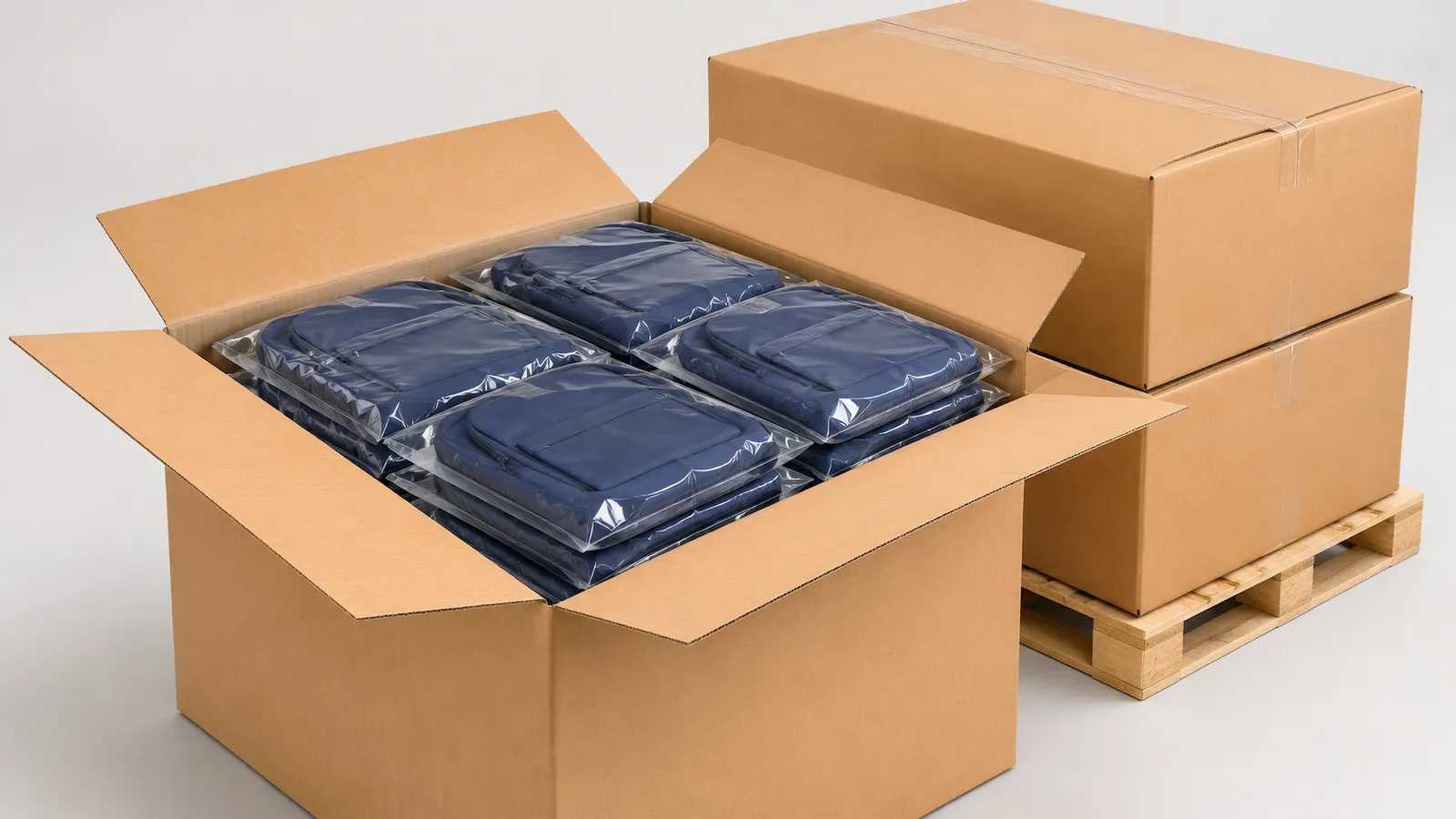
Packing options by destination
- Bulk carton packing - bags folded and layered directly in export cartons; highest density, lowest cost; right for distributors repacking at destination.
- Individual polybag packing - each bag in a sealed polybag with suffocation warning; the default for warehouse distribution and e-commerce fulfillment.
- Retail hangtags and barcodes - tagged, stickered and ready for the sales floor; barcode placement confirmed against your planogram requirements.
- Amazon FBA preparation - FNSKU labels applied, carton weights and dimensions within Amazon limits, box content information ready; errors here cost remediation fees, so the specification must be written, not verbal.
- Branded gift packaging - boxes or branded bags for corporate gifting; budget the extra freight volume, which can exceed the cost of the packaging itself.
- SKU separation and carton marks - mixed-SKU programs need disciplined carton marking and a packing list that matches physical reality, or your 3PL will charge you to discover the mismatch.
Choosing a shipping mode
| Shipping mode | Best for | Main consideration |
|---|---|---|
| Express courier | Samples and small urgent lots | Chargeable weight makes bulk uneconomical |
| Air freight | Deadline-critical mid-size orders | Cost vs. urgency; airport-to-door planning |
| Sea LCL | Orders below a full container | Consolidation and destination handling fees |
| Sea FCL | Full bulk programs | Container utilization - pack to the cube |
As a rule of thumb from our packing engineering: a 40' HQ container carries roughly 3,000-6,000 backpacks depending on size and packing method - compressed packing on soft designs pushes toward the high end, rigid retail boxes pull toward the low end. Incoterms matter as much as mode: FOB keeps you in control of freight, DDP transfers the headache to the factory at a price. Buyers importing into specific regions can see a worked example in our guide to importing backpacks from China to the Middle East - the sequence is identical for US-bound cargo, with CPSIA paperwork replacing GCC conformity documents. Payment structures and accepted methods are covered on our payment information page.
Bulk Backpacks for Charity, Schools and Donation Programs
Charity and institutional buyers deserve their own section because their constraints are genuinely different - and because the search data says they are an underserved audience. "Backpacks in bulk for charity" draws 170 US searches a month at only 20% keyword difficulty, the lowest difficulty of any term we measured for this article, which tells you two things: real organizations are looking, and few suppliers are answering them properly.
What donation programs actually need
A donation backpack is judged by three criteria that commercial programs weight differently:
- Cost per child served. Budgets are fixed by grants or fundraising totals, so the equation runs backwards: total budget, divided by number of recipients, equals the landed unit cost ceiling - including freight, customs and inland delivery, which first-time program buyers routinely forget to include. A $9 bag with $2.50 of landed logistics is an $11.50 bag.
- Honest durability at the price point. A donated bag that fails in a month harms the organization's reputation with the very community it serves. The discipline is not buying the cheapest bag; it is specifying the minimum durable configuration - 600D polyester shell, #5 coil zipper, bartacked straps - and cutting decoration and packaging instead of construction.
- Delivery certainty over everything. Back-to-school drives, disaster response and seasonal campaigns have immovable dates. A two-week delay that a retail program absorbs can make a donation program miss its distribution event entirely. Build schedule buffer into the contract, and consider stock-based programs when the calendar is tight.
Practical configurations that stretch a fixed budget
Three configuration moves consistently improve the cost-per-recipient math without touching durability:
- Standardize on one size and one or two colors. Every additional colorway fragments fabric minimums and adds changeover cost. One navy, one grey - both gender-neutral, both hide soil - covers most programs.
- Decorate small or not at all. A single-position, single-color screen print costs a fraction of multi-position decoration; an undecorated bag costs nothing and distributes faster. Put the budget into the zipper instead.
- Pack in bulk cartons, not polybags. Donation distribution does not need retail presentation. Bulk packing increases carton density, cutting freight cost per unit - money that becomes more bags.
School and uniform programs share most of this logic with added sizing and compliance dimensions - the dedicated wholesale school backpacks sourcing guide covers age-group sizing tables and safety standards in full. Corporate teams sponsoring donation drives should also read the promotional backpacks buyer guide for co-branding options that keep unit costs inside a giving budget.
Stock vs. Custom: A Decision Framework for Bulk Buyers
If you have read this far, you have seen the whole menu - and the menu can paralyze. Here is the compressed decision logic we walk new buyers through on the first call, built around the four questions that actually decide the path.
The four deciding questions
- When must the bags be in hand? Under 4 weeks: stock is your only honest option. 6-10 weeks: existing-design production fits. 12+ weeks: full development is open to you.
- Is the backpack your product or your medium? If the bag itself is what your customer buys - retail, DTC, Amazon - differentiation pays, and custom development earns its cost back in margin and reviews. If the bag carries your message - events, giveaways, employee kits - a well-chosen stock or catalog design with strong decoration delivers the same impression for less.
- Will you reorder? One-off programs favor stock and catalog designs because development cost cannot amortize. Programs with a reorder horizon justify tooling, custom fabrics and tighter specifications - the costs spread across every future order.
- How much specification capability do you have? A full tech pack unlocks the best factory pricing because it eliminates guesswork. If you cannot yet produce one, an existing-design program effectively rents the factory's engineering - a legitimate strategy, not a compromise.
Matching answer patterns to sourcing paths
| Your situation | Recommended path | Why |
|---|---|---|
| Event in 3 weeks, 800 bags, logo required | In-stock + heat transfer | Only path that meets the date |
| New Amazon brand, 1,000 units, review-sensitive | Existing design + hardware upgrades | Proven pattern, custom touchpoints, moderate risk |
| School district, 2,500 bags, annual reorder | Existing design + sealed-sample discipline | Repeatability matters more than novelty |
| Outdoor brand, differentiated 35 L pack | Full OEM/ODM from tech pack | The product is the business |
| Charity drive, fixed budget, fixed date | In-stock or simplified catalog design | Cost ceiling and schedule certainty rule |
One final calibration: do not let a supplier choose the path for you. Stock-heavy suppliers steer everything toward stock; development-hungry factories steer everything toward custom. The right answer comes from your four questions, and a good factory will tell you when the cheaper path serves you better - that honesty, more than any certificate, is the signal worth buying from.
How to Vet a Bulk Backpack Supplier Before You Commit
Everything above assumes a competent factory. Finding one is its own project, and the vetting questions differ by what you are buying. A short, high-yield checklist:
- Verify manufacturing, not trading. Ask for a video call walking the sewing floor, cutting room and sample room. A trading company can show you a factory; it cannot show you its factory on demand, live, twice.
- Check certifications against scope. A BSCI audit or ISO certificate should name the legal entity and address you are buying from. Mismatched names mean the audit belongs to someone else.
- Ask for program-relevant references. A factory excellent at promotional drawstrings may be wrong for 1000D tactical construction. Ask what they produce most, at what quantities, for which markets.
- Test communication with a hard question. Send a technical question - seam allowance on a curved panel, or zipper gauge for a 35 L load. The speed and precision of the answer predicts the whole relationship.
- Confirm reorder discipline. Ask to see how they document colors, materials and sealed samples for repeat production. Systems, not promises.
- Start with a sample, then a pilot. A 500-piece first order that goes perfectly teaches you more than any audit report. Scale follows evidence.
The long-form version of this checklist, with scoring guidance, is in how to choose a reliable bag manufacturer; retail-program buyers should also see how to choose a bag manufacturer for retail programs, and brand builders the overview of why global brands work with factory-based manufacturers. Background on who we are and how the factory grew since 2006 is in our story.
Frequently Asked Questions About Bulk Backpacks
What is the minimum order quantity for bulk backpacks?
For full-custom OEM/ODM production at Senszx, the MOQ is 500 pieces per style. Below that, projects can run on a development-fee model where the fee is credited against your eventual bulk order. In-stock wholesale programs have much lower practical minimums because the bags already exist - inquire with your quantity and we will confirm stock.
How much do bulk backpacks cost per unit?
There is no honest single number: a 210D drawstring and a 1680D ballistic laptop pack are different products. Unit price is driven by quantity per style, fabric grade, size, construction complexity, branding method and packaging. Request an itemized quotation with your specification - our pricing tiers are quoted at 500, 1,000 and 5,000 pieces so you can see exactly how quantity moves your number.
How long does a bulk backpack order take?
From approved sample: materials typically 7-15 days, production approximately 20 days at MOQ scale, plus export handling and ocean transit (18-35 days to US ports). A realistic door-to-door window for a custom program is 8-12 weeks from sample approval. Stock programs with logo application ship in a fraction of that.
Can I mix colors or models within one bulk order?
Yes, within MOQ structure. Mixed colorways of one style usually share the style MOQ with a per-color minimum driven by fabric dye lots; mixed models are quoted as separate styles. State your ideal assortment in the RFQ and the quote will show where minimums bind.
Can I put my logo on bulk backpacks?
Yes - embroidery, woven labels, screen printing, heat transfer, PU/rubber/silicone badges and metal plates are all standard. The right method depends on fabric and placement; artwork in vector format gets you an exact decoration quote within the overall price.
Do bulk backpacks for the US market need safety testing?
Backpacks intended for children fall under CPSIA: tracking labels, lead and phthalate limits, and CPC documentation based on accredited lab tests. Adult products have lighter requirements but still benefit from REACH/Prop 65-aware material selection. Build compliance into the specification, not the aftermath.
Can you prepare bulk backpacks for Amazon FBA?
Yes - FNSKU labeling, polybag suffocation warnings, carton weight/dimension limits and box content data are a standard packing option. Supply your FBA requirements with the purchase order so they are confirmed before production, not negotiated at packing time.
What is the difference between wholesale backpacks and bulk custom backpacks?
Wholesale usually means buying existing finished designs at quantity discounts - fast, low-risk, limited differentiation. Bulk custom production means the bags are manufactured to your specification after you order - slower, with minimums, but every detail is yours. Many programs sensibly start wholesale to test a market, then move the proven winner into custom production once reorder volume justifies it.
Can I visit or audit the factory before placing a bulk order?
Yes. We host buyer visits and third-party audits at the Baigou facility, and for buyers who cannot travel we run live video walkthroughs of the cutting room, sewing lines and sample room. An audit before a six-figure commitment is normal professional practice, and any factory that discourages it has answered your real question already.
How do I get a quote for backpacks in bulk?
Send your quantity, target style (or reference images/tech pack), fabric preference if known, logo method, destination and in-hands date. The complete checklist of what to include is in what information to send a bag factory for quotation. You will receive an itemized quotation - bag, branding, packaging, logistics - typically within 1-3 working days.
Request a Bulk Backpack Quote
A good bulk order is designed twice: once in the specification, and once on the production line. Everything in this guide exists to make the first design so clear that the second one is uneventful. If you have a program in mind - whether it starts from our stock, our catalog, or your own tech pack - send the brief to [email protected], reach us on WhatsApp at +86 17331531825, or use the contact page and tell us your quantity, style and in-hands date. You will get a factory answer, itemized and honest about lead times, within three working days.
Hi, I'm Senszx Bag Manufacturer, Hope You Like This Blog Post.
With more than 20 years of experience in OEM/ODM/Custom luggage and bag, I'd love to share with you the valuable knowledge related to luggage and bag products from a top-tier Chinese supplier's perspective.
Senszx Factory
Est. 2006 · Baigou, China
Related articles
How to Choose the Right Materials for Travel Bags: The Complete Manufacturer Guide
A comprehensive B2B engineering guide to selecting travel bag materials: comparing polyester, nylon, Oxford, canvas, TPU coatings, hardware, and structural interlinings across durability, GSM, abrasion, and manufacturing cost.
Wholesale Toiletry Bags: The Complete Sourcing Guide for 2027
How travel brands, grooming labels, retailers and distributors source toiletry bags in bulk: styles, materials, customization, MOQ, pricing, QC and shipping.
How to Manufacture Custom Tote Bags: The Complete Factory Guide
How custom tote bags are manufactured: canvas selection, tech pack, sampling, screen printing, sewing, QC, MOQ, cost drivers and lead times - from a bag factory.
Get a Custom Bag Quote from Our China Factory
Our sales team is online around the clock and usually replies within the hour.
Email
[email protected]Factory
Qinzheng Road No.89, New Industry Zone, Baigou Town
Baoding City, Hebei Province 074004, China