Canvas Material for Tote Bags: The Complete Buyer's Guide
Factory guide to canvas for tote bags: weights in oz and GSM, cotton vs recycled vs waxed canvas, printing, testing, cost drivers and how to spec your order.
Every canvas tote that survives years of groceries, books and beach days started as a decision somebody made at a fabric table: which canvas, what weight, which weave. Get that decision right and the bag becomes the customer's default carry for a decade. Get it wrong and the handles detach under the first watermelon, the print cracks in a month, and the "eco-friendly" bag ends up in landfill faster than the plastic it replaced.
This guide is written from the factory side of that fabric table. Senszx has been cutting and sewing canvas - alongside polyester, nylon and leather - since 2006, for retail brands, promotional programmes, bookshops, museums and grocery chains. Below is everything a buyer needs to specify canvas with confidence: the weight system, the real differences between cotton, recycled and waxed canvas, how printing behaves on natural fibre, the tests that separate good canvas from disappointing canvas, and where the money actually goes in a canvas tote quote.
What Canvas Actually Is (and What Sellers Mean When They Say It)
Canvas is a plain-weave fabric, traditionally cotton, woven tightly enough to be firm, dense and hard-wearing. The name covers a family rather than a single material:
Cotton canvas / cotton duck. The classic. "Duck" (from Dutch doek, cloth) refers to the tighter, smoother weave used for workwear and bags; in bag-trade usage "canvas" and "duck" overlap so much that specifying weight matters far more than the word used. This is what most buyers mean by a canvas tote.
Canvas blends. Cotton-linen mixes add a slubbed, natural texture that reads premium; cotton-polyester blends add wrinkle resistance and cut cost. Both are legitimate - as long as the blend ratio appears on the spec sheet rather than being discovered at inspection.
"Canvas" in looks only. Polyester woven to imitate canvas texture exists and photographs convincingly. It is not wrong as a material - it resists moisture better than cotton - but a bag sold as "cotton canvas" must be cotton. Ask for fibre content in writing; a burn test or lab fibre analysis settles disputes in minutes.
The practical takeaway: "canvas" on a quotation tells you almost nothing until it is followed by a fibre content and a weight. The rest of this guide gives you the vocabulary to pin both down.
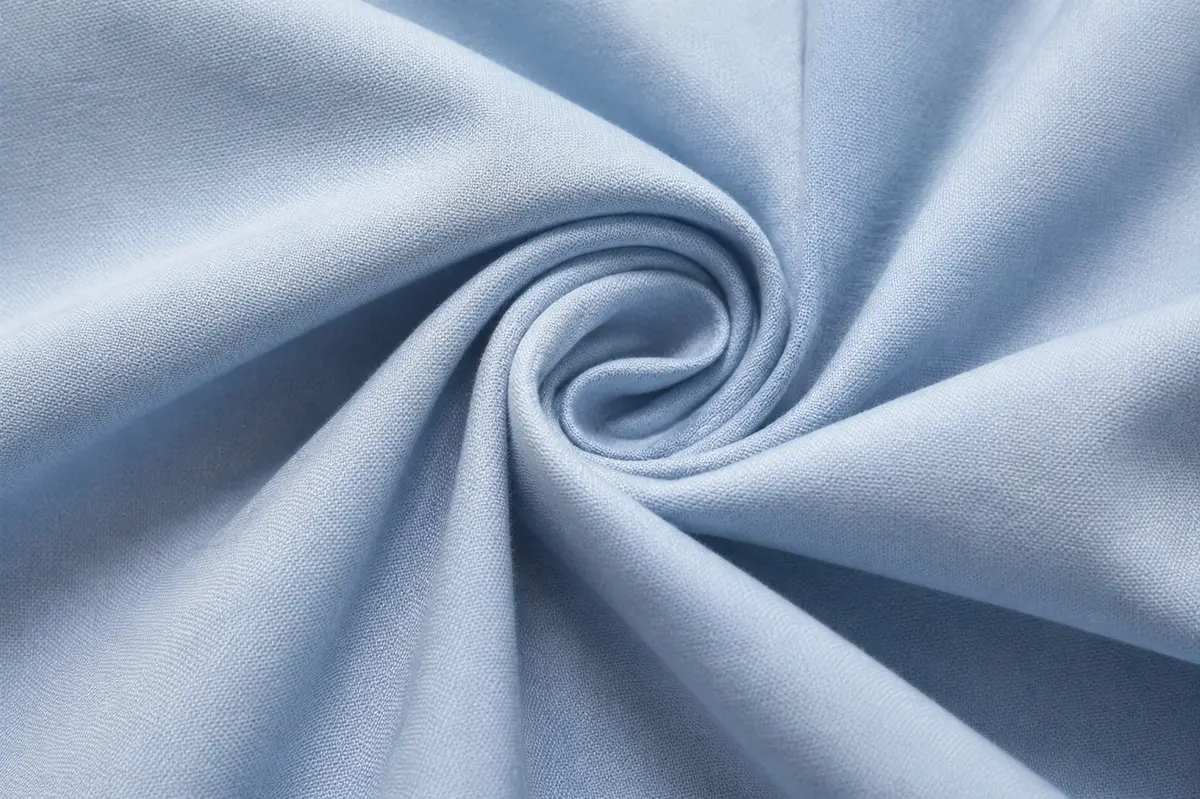
Canvas Weight: The Single Most Important Specification
Canvas is specified by weight, and weight determines almost everything the user feels: stiffness, drape, durability, and how much weight the bag carries without complaint.
Two systems coexist, and buyers should be fluent in both:
- Ounces per square yard (oz) - the traditional system, dominant in US-facing trade
- Grams per square metre (GSM) - the metric system most Asian mills and factories work in
The conversion: 1 oz/yd² ≈ 33.9 g/m². A "10 oz canvas" is roughly 340 GSM.
| Canvas weight | GSM (approx.) | Hand feel | Typical tote use |
|---|---|---|---|
| 4-5 oz | 135-170 | Light, floppy, shirt-like | Budget giveaway totes, inner linings |
| 6-8 oz | 200-270 | Light-medium, soft drape | Promotional totes, bookshop bags, folded-in-pocket shoppers |
| 10-12 oz | 340-410 | Firm, structured, stands with help | The retail sweet spot: grocery totes, everyday carry, printed merch |
| 14-16 oz | 475-540 | Stiff, self-standing | Premium heavy totes, utility and tool bags, market bags for weight |
| 18-24 oz | 610-810 | Board-like, rigid | Workwear-grade bags, bottoms/bases, industrial use |
Three factory-side observations that spec sheets rarely say out loud:
The 10-12 oz band is the default for a reason. It carries 15+ kg of groceries, takes screen print beautifully, keeps its shape in photos, and still sews economically on standard machines. When a buyer has no strong opinion, we quote 10 oz and 12 oz options side by side - and roughly four orders in five land there.
Below 6 oz, "canvas" is marketing. A 4-5 oz cotton sack is a perfectly honest giveaway product, but it behaves like a T-shirt with handles. If the campaign story is durability or sustainability, a bag that wrinkles into a rag after one wash undermines it. Budget-permitting, 8 oz is the floor for a bag meant to be reused.
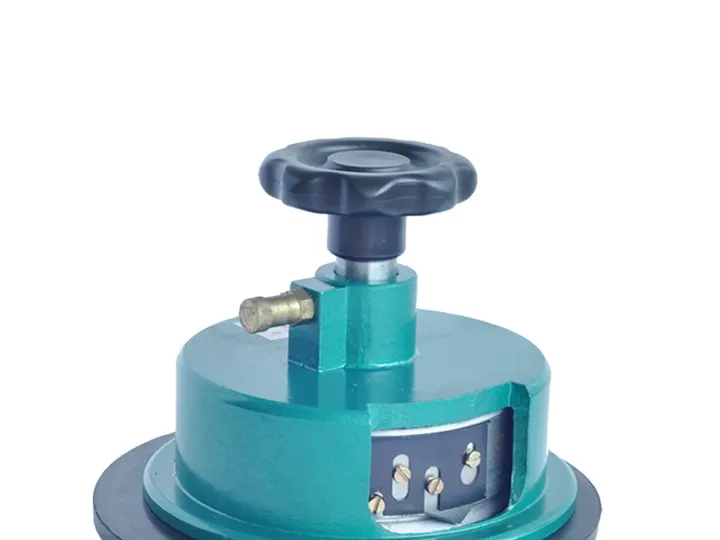
Weight must be verified, not believed. The difference between 10 oz and 8 oz canvas is invisible in a product photo and worth real money per thousand bags. Our QC cuts a 100 cm² swatch with a GSM cutter and weighs it on a calibrated scale for every incoming fabric lot - a 60-second check that catches the single most common canvas substitution in the trade. Ask any supplier to show the same check; hesitation is information.
The Canvas Family: Which Variant Fits Your Programme
Natural (loomstate / unbleached) cotton canvas
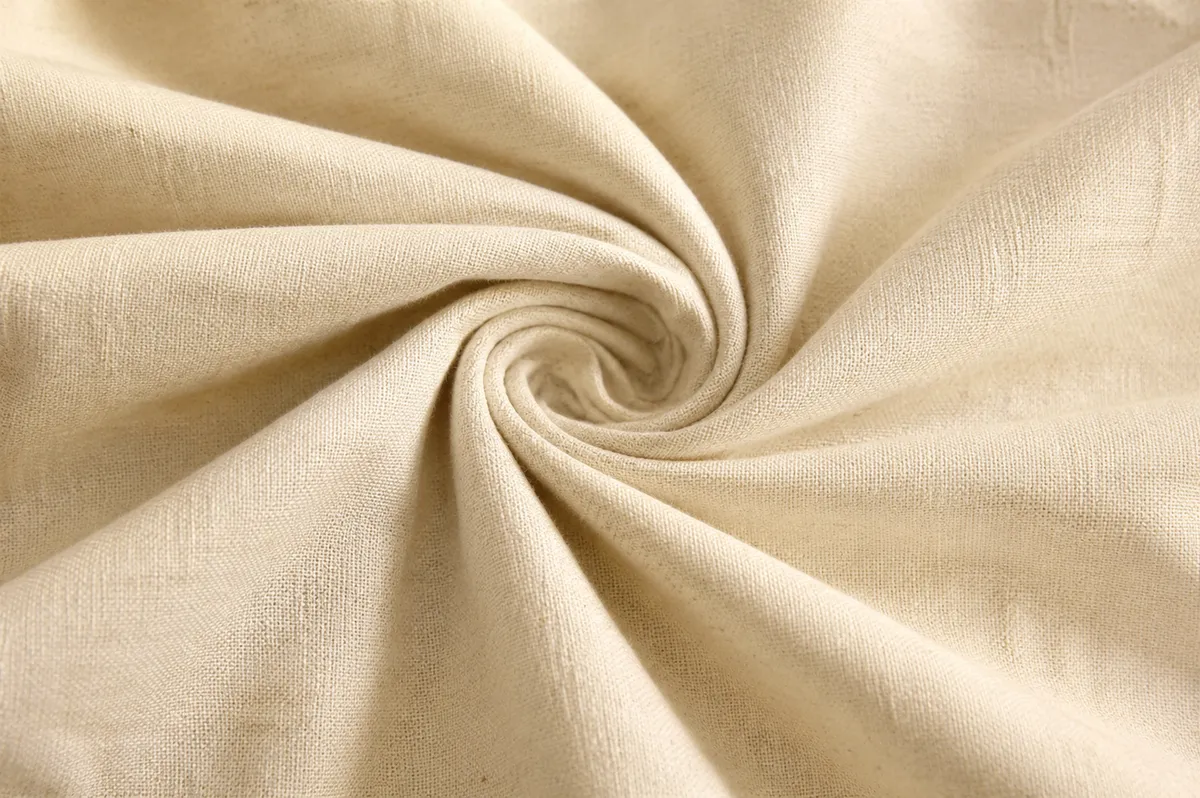
The undyed, oatmeal-coloured classic with visible flecks. Cheapest cotton option, instantly reads as "eco", and takes dark prints with high contrast. Its weaknesses: it shows dirt quickly, shrinks more than processed canvas if pre-shrinking is skipped, and lot-to-lot shade varies - natural is not one colour, so large programmes should approve a shade band, not a single swatch.
Dyed cotton canvas
Piece-dyed canvas in solid colours. Costs more than natural (dyeing is a real process with real effluent treatment), opens the palette, and hides wear. Two spec points matter: colour fastness to rubbing (dry and wet) - cheap dyed canvas crocks onto white clothing, generating complaints no brand wants - and Pantone matching, which works well on canvas above roughly 1,000 pieces per colour when fabric is dyed to order.
Recycled cotton canvas
Canvas woven from post-industrial cotton waste (cutting-room offcuts re-spun) or post-consumer garments. The honest trade-offs: recycled cotton fibres are shorter, so the yarn is slightly weaker and the surface slightly fuzzier at equal weight - a 12 oz recycled canvas performs closer to a 10 oz virgin one. For sustainability-led programmes that is usually an acceptable trade, and certificates (GRS - Global Recycled Standard) exist to back the claim. Specify the recycled percentage; "contains recycled cotton" without a number is greenwash bait.
Organic cotton canvas
Virgin cotton grown without synthetic pesticides, certified under GOTS or OCS. Physically identical to conventional canvas at equal spec - the difference is the paper trail, and the paper trail is the product. If the hang tag will say organic, the chain-of-custody certificate must cover the finished bag, not just the fibre; we handle GOTS-certified runs on request and the documentation adds lead time, so declare it at quotation, not after.
Waxed canvas
Cotton canvas impregnated with paraffin or hybrid wax. Water-resistant, ages into a leather-like patina, and positions the bag firmly in the premium bracket. Production notes: waxed canvas cannot be screen printed conventionally (decorate first, wax after - or use patches and embroidery), it marks and creases by design (tell your customers - those marks are the point), and it runs warmer and heavier than its base weight suggests.
Canvas-adjacent naturals: linen, jute, denim
Buyers comparing canvas often price its cousins. Linen and cotton-linen blends bring a slubbed texture that premium lifestyle brands like; they wrinkle enthusiastically and cost more. Jute/burlap is the coarse, lowest-cost natural with a strong market-bag identity - rough on skin, sheds fibre, loves humidity too much for some climates. Denim is technically a cotton twill, not canvas, but 10-14 oz denim totes behave like canvas totes with a fashion accent. We stock and sew all of them; the decision is brand identity more than engineering.
Canvas vs Polyester: The Decision Most Tote Programmes Actually Face
The real-world alternative to a canvas tote is rarely another natural fibre - it is 600D polyester or a woven-polyester lookalike. Both are legitimate; they serve different briefs:
| Factor | Cotton canvas (10-12 oz) | Polyester (600D / canvas-look) |
|---|---|---|
| Hand feel & perception | Natural, premium, "eco" read | Technical, utilitarian |
| Weight of the empty bag | Heavier | Lighter for equal strength |
| Water behaviour | Absorbs; dries slowly (unless waxed/coated) | Sheds light rain; dries fast |
| Print surface | Matte, fibrous - screen print sinks in beautifully | Smooth - screen print sits on top; sublimation possible on light colours |
| Durability pattern | Abrasion-resistant; softens and patinas with age | Highly abrasion-resistant; looks the same until it fails |
| Washing | Machine-washable (expect shrink unless pre-shrunk) | Wipe-clean, quick-dry |
| Biodegradability story | Strong (pure cotton) | Weak (petro-fibre), unless RPET recycled story |
| Cost at equal bag size | Higher fabric + sewing weight | Lower |
The honest framing we give buyers: canvas sells a feeling; polyester solves a function. Retail merch, bookshops, museums, grocery chains and fashion-adjacent brands overwhelmingly choose canvas because the material itself is part of the message. Event giveaways chasing lowest unit cost, and bags that will live outdoors or wet, lean polyester. Our bag fabric guide covers the full synthetic range - including RPET recycled polyester, which has become the standard "sustainable synthetic" counter-offer - and the 600D vs 900D vs 1680D polyester guide goes deep on the synthetic side.
Printing and Branding on Canvas
Canvas is one of the most decoration-friendly surfaces in the bag world - with rules:
Screen printing is the native art form of the canvas tote. The fibrous matte surface absorbs ink into the weave, giving prints that survive hundreds of washes. One to three spot colours cover the vast majority of tote programmes; each additional colour adds a screen and a press pass to the unit cost. Water-based inks soak in soft and fabric-like; plastisol sits brighter and more opaque on dark canvas - we run both and advise per artwork.
Large print areas are canvas's superpower. A 28 × 35 cm front print on a 38 × 42 cm tote costs little more than a pocket-sized logo and multiplies street visibility. Bold, single-colour, full-front graphics are the best cost-per-impression buy in the category.
Watch the base shade. On natural canvas, white ink disappears and pale colours shift towards oatmeal; dark inks pop. On dyed canvas, light inks need an underbase (an extra pass, priced accordingly).
Heat transfer and DTF reproduce gradients and photographic artwork that screens cannot, at good durability on cotton - the right tool for complex multi-colour designs at mid volumes.
Embroidery reads premium on 10 oz+ canvas (lighter weights pucker) and never cracks or fades; price scales with stitch count, so keep embroidered elements compact.
What does not work: sublimation. It bonds only with polyester fibre - on cotton canvas it washes out. Any supplier offering "all-over sublimation on cotton canvas" is describing a polyester bag or a mistake. For all-over printed canvas looks, the route is printed-then-cut fabric (rotary/digital printing on the roll), viable from around 3,000 pieces.
Every decoration route shares one non-negotiable: approve a strike-off on the actual production fabric before bulk decoration. Ink behaves differently on 8 oz natural versus 12 oz dyed; the strike-off is the only honest preview.
Colour planning on canvas: a short masterclass
Canvas rewards restraint, and the economics agree. The combinations that consistently work on the shelf and in the costing sheet:
On natural canvas: single-colour prints in black, deep forest, navy or brick red carry maximum contrast and read "crafted" rather than "printed". Two colours - a dark primary plus one accent - is the ceiling before the handmade character starts washing out. White and pastels effectively vanish; if the artwork depends on light tones, switch the base to a dyed canvas rather than fighting the fibre.
On dyed canvas: the brand-colour bag with a tonal print (darker shade of the base colour) is the quiet-luxury move; the high-contrast white print needs an underbase pass, which costs one extra screen and press run - worth it on black and navy, rarely worth it on mid-tones.
On washed and garment-dyed finishes: prints apply before washing, so the ink softens and fades with the fabric - a deliberate vintage effect that must be approved as such on the strike-off, or it becomes a complaint instead of a feature.
The placement defaults: centred front panel, upper two-thirds, sized to dominate (25 cm+ wide on a standard tote). Prints that hug the bottom hem disappear when the bag sits or sags. Handles, gussets and the back panel are all printable surfaces at extra passes - the back panel reorder ("add our website to the reverse") is the most common second-order upgrade we run.
One supply-chain footnote: every screen we burn and every pattern we cut stays archived against your account, so colourway refreshes and reorders skip the setup cost and the setup days - specify "reprint, new colourway" and the programme restarts at the fabric booking step, not at zero.
Construction: Where Canvas Totes Actually Fail (and How Specs Prevent It)
Fabric gets the attention; construction decides the lifespan. Four failure points account for nearly all canvas tote complaints, and all four are preventable on the spec sheet:
1. Handle attachment. The classic death of a cheap tote: handles tear off at the seam under load. The fix is mechanical, not material - handles must be anchored with a box-X stitch (a stitched square with an X through it) through at least two fabric plies, or carried in one continuous loop under the bag. Our standard totes box-X every handle end; heavy-duty specs run the webbing or self-fabric handle full-wrap under the base.
2. Handle material and length. Self-fabric (canvas) handles match the bag's look; cotton or polyester webbing carries more and wears longer. Length is a use decision: ~25 cm drop for hand carry, ~28-30 cm to shoulder a loaded bag over a coat. State the drop in centimetres in the tech pack - "comfortable shoulder handles" is not a measurement.
3. Seams and stress rows. A grocery-grade tote wants double-stitched side seams (or French seams on premium builds) and bar-tacks at the top-hem corners. Single-row side seams on a 12 oz bag are a false economy - the fabric outlives the thread.
4. Shape and base. A flat tote is cheapest; a gusseted base (side and bottom panels) swallows boxes and bottles; an inserted stiffener base keeps premium bags architectural. Each step adds cutting and sewing minutes - which is exactly where quotes between factories diverge, so compare like for like.
The one-line spec that prevents 90% of disappointment: "10 oz dyed cotton canvas, box-X handle anchors, double-stitched seams, 15 kg load test." Eleven words; years of difference. Our tech pack guide shows where each line lives in a full specification - the same format covers totes.
Testing Canvas: The QC Checklist We Run
Canvas orders at Senszx pass the same instrumented checks as our technical backpacks, tuned to natural fibre:
- GSM verification on every incoming lot - cutter and scale, logged against the PO spec.
- Tensile and seam strength - fabric pull tests plus finished-bag handle pulls on the tensile tester; grocery-grade totes are signed off against a 15 kg static hang, premium/utility builds higher.
- Colour fastness - to rubbing (dry/wet crocking) on dyed canvas, to wash for printed bags against the approved strike-off.
- Shrinkage - pre-production wash test when bags are specified washable; cotton canvas without pre-shrinking can move 3%+ on first wash, which turns a 42 cm bag into a 40 cm bag and a retail complaint.
- Print adhesion - tape and rub tests against the signed strike-off.
- AQL 2.5 final inspection on every order - the same statistical sampling standard as the rest of our lines, with needle detection standard on programmes for schools and children's retail.
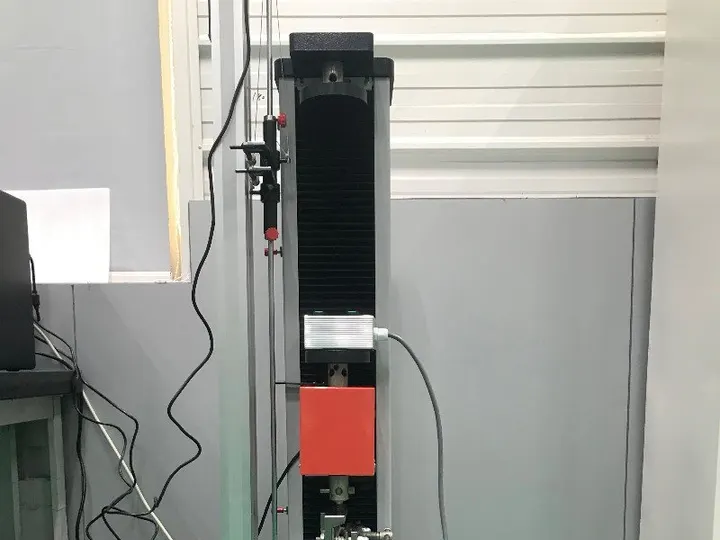
Buyers are welcome to witness any of these on a video call, or to send SGS/TUV/Intertek for independent inspection - the factory tour page shows the cutting floor and QC lab these tests live in.
How Canvas Totes Are Made: Roll to Carton in Nine Steps
Understanding the production path explains both the lead time and the quote. Here is the full journey of a canvas tote order through our floor:
1. Fabric booking (day 0-7). Stock natural and standard dyed shades ship from the mill within days; custom Pantone dye lots and certified organic/recycled fabric add 7-14 days. This is the step that decides whether your order runs in 15 days or 30 - colour flexibility is schedule flexibility.
2. Incoming QC (day of arrival). GSM verification, shade check against the approved swatch or shade band, fault inspection on the roll. Lots that fail go back; the 60-second GSM check here prevents the month-long dispute later.
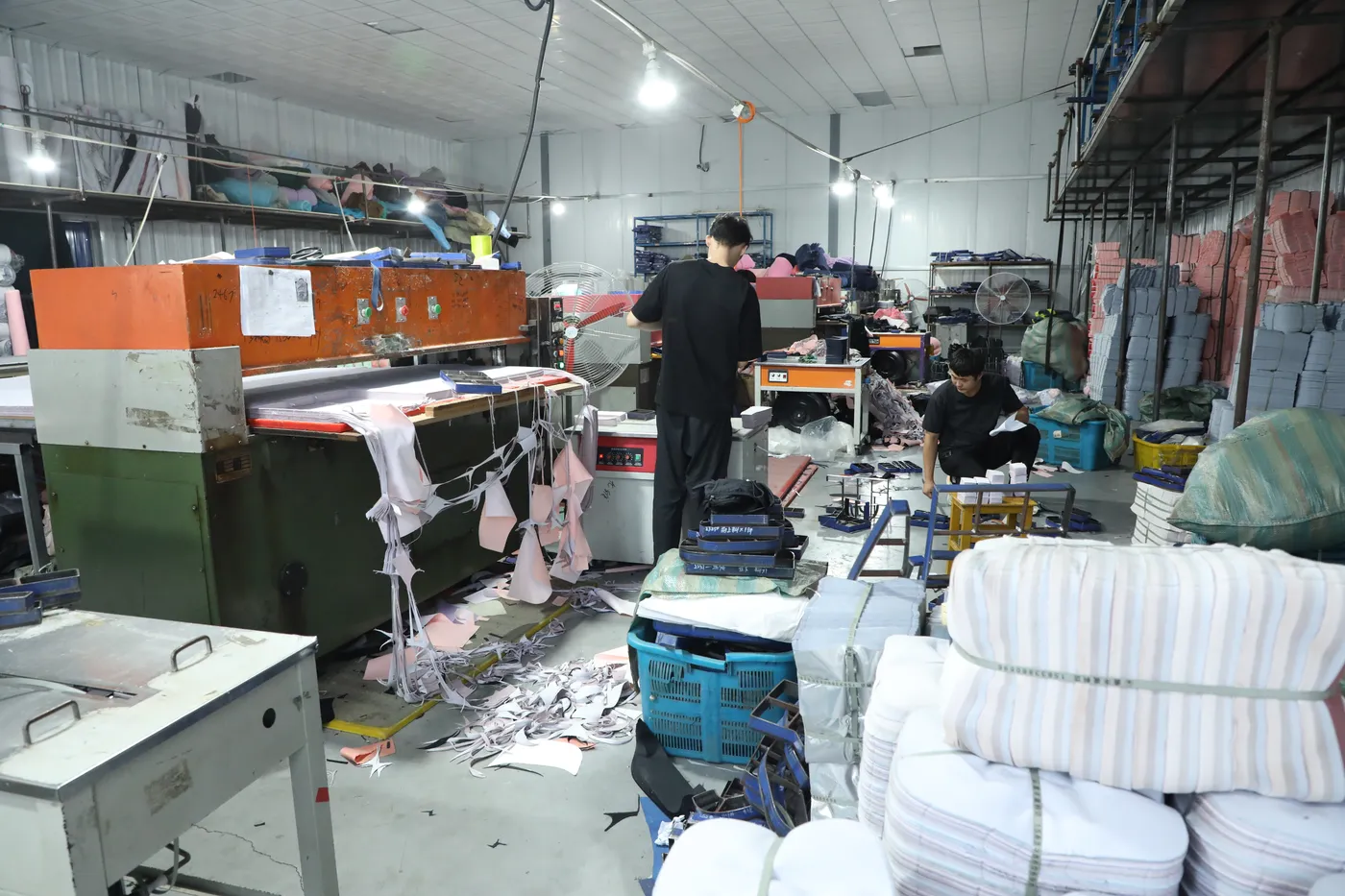
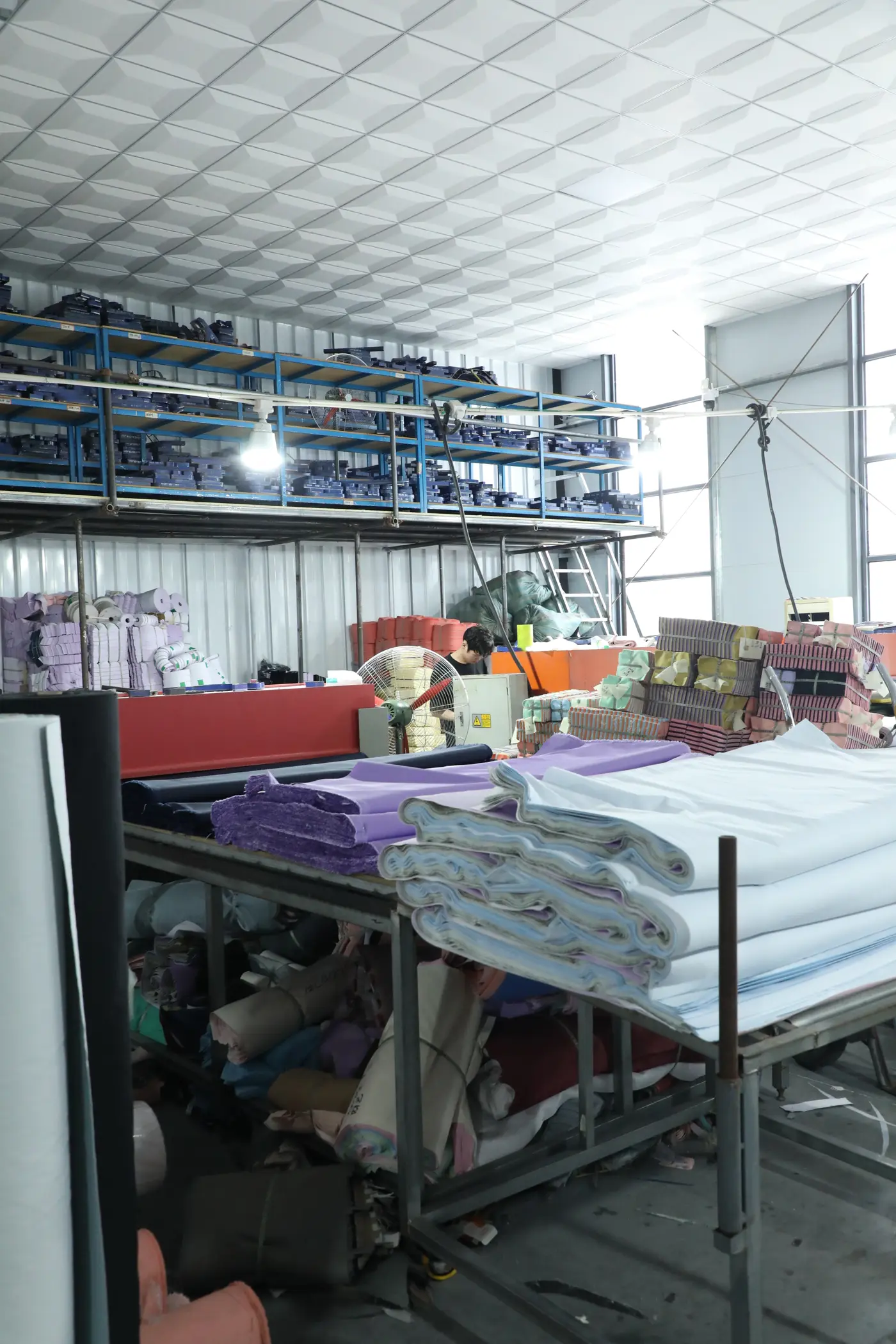
3. Relaxing and spreading. Cotton needs to rest after unrolling - spreading layers on the table and letting tension release prevents the cut panels from shrinking out of tolerance. Natural-fibre discipline that synthetic-only factories skip.
4. Cutting. Multi-layer spreads cut by CNC or die press depending on run length. Panels bundle by size and colourway, ticketed for traceability - the fabric cutting room page shows this floor in photos.
5. Printing (when in-house screen print). Cut panels print flat before sewing - registration is more accurate on a flat panel than a finished bag. Strike-off approval gates this step; nothing prints in bulk until the signed sample matches.
6. Sewing. Handles anchored first (box-X through doubled fabric), then side seams, gusset, hems, closures and lining if specified. A flat promotional tote runs 12-15 machine-minutes; a lined, zip-top, base-boarded shopper 30-45.
7. Finishing. Thread trimming, turning, pressing. Waxed canvas gets its final wax conditioning pass here.
8. Final QC. AQL 2.5 statistical sampling: dimensions, print adhesion, handle pull, seam integrity, cleanliness. School and children's programmes pass needle detection as standard.
9. Packing and loading. Folded with tissue, polybagged individually or bulk-packed flat in bales - the model your distribution plan picked at quotation. Cartons mark to your 3PL spec and load FOB Tianjin or CIF to your port.
Elapsed time from confirmed sample to packed cartons: 20 days standard, compressible to 10-15 on stock fabric with simple decoration.
Choosing by Use Case: Six Programme Patterns
Theory condensed into the briefs we actually receive:
Grocery and supermarket chains. 12 oz dyed canvas, deep gusset, webbing handles rated past 15 kg, one-colour oversized logo. Durability is the brand promise - these bags are audited by customers every week at the checkout. Pre-shrunk fabric, because they will be washed.
Bookshops, museums, galleries. 10 oz natural canvas, flat or shallow gusset, self-fabric handles, art-led screen print using the natural base as the canvas (literally). The tote is the merchandise - print quality is the spec that matters most, so budget a careful strike-off round.
Fashion and streetwear merch. 10-12 oz dyed in brand colours or washed black, premium details: inner pocket, snap closure, woven label instead of a printed logo. Consider cotton-linen or waxed canvas to escape the commodity look. Small quantities per colourway - plan around stock shades or 1,000+ per custom colour.
Corporate gifting and conferences. 8-10 oz, cost-controlled, one-colour print, flat pack. The promotional economics from our promotional backpacks guide apply verbatim - including the calendar discipline around event dates.
Grocery-adjacent food brands. Insulated hybrid: canvas outer, foil-lined interior. Crosses into our insulated cooler totes builds - canvas look, technical function.
Utility and tools. 16-18 oz canvas or canvas-web hybrid, riveted stress points, base board standard. Here canvas competes with 1680D polyester on toughness and wins on workshop aesthetics.
Each pattern maps to a standard build on our custom tote bags page - naming the pattern in your brief shortcuts the first quotation round.
What Canvas Totes Cost: The Drivers, Tiered
Canvas tote pricing confuses buyers because identical-looking bags quote at multiples of each other. The cost stack explains why:
1. Fabric weight × bag size. The dominant line. Fabric is bought by weight-per-metre, so a 14 oz bag uses ~40% more cotton than a 10 oz bag of the same pattern; a deep-gusset shopper uses more metres than a flat tote. Cotton is also a commodity - its market price moves, which is why canvas quotes carry shorter validity windows than polyester ones.
2. Fabric processing. Natural < dyed < organic/recycled-certified < waxed. Each step is a real process: dyeing adds the dyehouse, certification adds audited supply chains, waxing adds impregnation and slower handling through the line.
3. Construction minutes. Flat bag with patch handles ~12-15 sewing minutes; gusseted, lined, zip-top, base-boarded shopper 30-45. Labour is priced per minute on the line, so every feature on the tech pack buys minutes.
4. Decoration. One-colour screen print is the baseline; each extra colour, oversized print areas, underbases on dark fabric, DTF and embroidery step up from there.
5. Quantity tier. Setup (screens, dies, sampling) amortises steeply: the unit-price drop from 500 to 1,000 pieces is still noticeable, flattening past 5,000. Our MOQ is 500 pieces; custom-dyed fabric colours become economical from ~1,000 pieces per colour.
Where buyers overspend mirrors the promotional-bag pattern: 14 oz fabric where 10 oz serves, four-colour artwork where one bold colour would carry further, and air freight bought by a late calendar. The custom backpack cost breakdown dissects the same stack line by line with worked numbers - the anatomy transfers directly to totes.
Sustainability Claims: What You Can Say, and What You Must Hold
Canvas totes live and die on their eco story, and the story has rules:
The reuse math is real but demanding. Lifecycle studies consistently show a cotton tote must be reused dozens to hundreds of times before its footprint beats single-use plastic - cotton farming is water- and land-intensive. The honest conclusion for brands: a canvas tote is a sustainability win only if it is good enough to be reused for years. Durability is not separate from the eco story; it is the eco story. Spec the 10 oz bag with box-X handles, not the 4 oz souvenir.
Certificates beat adjectives. "Eco-friendly canvas" is unfalsifiable; GOTS (organic), OCS, GRS (recycled content) and OEKO-TEX Standard 100 (tested for harmful substances) are auditable documents that survive a retailer's compliance desk and the EU's tightening green-claims rules. If the hang tag makes a claim, the file must hold the certificate - we supply certified fabrics and the paperwork on request, declared at quotation.
Match the claim to the fabric. Organic ≠ recycled ≠ biodegradable ≠ low-impact-dyed. Mixing these in copy is how brands end up in greenwashing round-ups. One fabric, one claim, one certificate.
Specifying Your Canvas Tote: The 60-Second Template
Send a factory these ten lines and you will get a precise quotation back instead of three rounds of clarifying questions:
- Bag type & dimensions: e.g. gusseted shopper, 38 W × 42 H × 10 D cm
- Fabric: cotton canvas, 10 oz / 340 GSM, dyed (Pantone 19-4052) — or natural
- Certificates required: none / GOTS / GRS / OEKO-TEX
- Handles: webbing or self-fabric, drop length in cm, box-X anchored
- Construction: double-stitched seams; base board yes/no; lining yes/no; closure (open / zip / snap)
- Decoration: method, colours, print size and placement; artwork as vector + Pantone
- Load requirement: e.g. 15 kg static hang
- Quantity & colourways: per-colour quantities (fabric dyeing economics live here)
- Packing: folded/polybag/bulk; carton spec if your 3PL has one
- Dates: in-hand date and destination port/city
With that brief, Senszx returns an FOB/CIF quotation within 24 hours, a physical sample in 3-5 days through the free sample programme, and bulk in 20 days with AQL 2.5 inspection. If you want the thinking behind each line, the custom tote bags page shows our standard builds - from canvas totes through jute and insulated variants.
Sourcing Canvas Totes: Factory-Direct Checks That Save Programmes
The canvas tote market is crowded with traders quoting from catalogues they have never touched. Eight checks sort factories from façades - the same discipline as any bag category, tuned to canvas specifics:
- Ask for the GSM log. A factory that weighs incoming canvas shows you the log without blinking. A trader forwards your question and waits two days.
- Ask how they prevent shrinkage surprises. The answer should contain "relaxing", "pre-shrunk fabric" or "wash test" - someone who has actually sewn cotton knows it moves.
- Demand the strike-off on production fabric. Ink on 10 oz natural reads differently than on the sales PDF. No strike-off, no bulk decoration.
- Check certificate scope, not certificate existence. A GOTS certificate covering yarn does not certify your finished bag. Chain-of-custody must reach the sewing factory - ours does, and the document says so.
- Pull a handle. Hang the loaded sample by one handle for 24 hours. Box-X anchoring passes; glue-and-hope fails by morning.
- Verify the inspection standard in writing. "AQL 2.5 final inspection with report before balance payment" is a term; "we check carefully" is a vibe.
- Match payment to risk. 30/70 T/T with balance after inspection is the norm. 100% upfront to an unverified supplier is a donation with a tracking number.
- Watch response cadence. Pre-sale reply speed is the best predictor of post-deposit problem-solving speed you will ever get for free.
Our own credentials sit in plain sight for exactly this audit: BSCI and ISO 9001/14001/45001 on the certifications page, the floor itself on the factory tour, and a free sample to put the stitching under your own hands before a dollar of bulk commitment.
Canvas Tote Trends Worth Specifying Around
Three movements in the category that affect spec decisions right now:
Heavyweight as the premium signal. Retail merch has drifted from 8 oz towards 12-14 oz - the thick, structured tote photographs better and signals quality in-hand. The cost delta is modest; the perception delta is not.
Washed and garment-dyed finishes. Pre-washed canvas with a softened, faded character - the "vintage workwear" read. Adds a processing step and makes shade matching a band rather than a point; brands that embrace lot-to-lot character get a premium look at mid-tier cost.
Certified-content as table stakes. Large retail buyers increasingly require GRS or GOTS paper as a listing condition, not a bonus. If your totes may ever sell through a major chain, build the certificate into the first order - retro-certifying a programme mid-life is far more painful than starting certified.
None of these obsolete the classic: a 10 oz natural canvas tote with a strong one-colour print remains the category's evergreen - which is why it still anchors our sampling room shelf.
Three Orders, Three Weights: Case Patterns From the Cutting Floor
Abstract weight tables become real when you watch three actual programme shapes move through the factory. Names withheld; the decisions and consequences are exactly as they ran.
The supermarket chain that upgraded mid-programme
A Gulf grocery retailer launched with an 8 oz natural tote at aggressive cost - the pilot sold well, but checkout staff reported handles tearing on double-bagged loads within weeks, and the complaint photos travelled further than the campaign did. The relaunch spec moved to 12 oz dyed canvas, webbing handles box-X anchored through doubled fabric, and a 15 kg hang test written into the PO. Unit cost rose by roughly a third; complaint rate effectively went to zero and the bag became the chain's paid reusable at the till - a product line, not a cost line. The lesson every retail programme eventually learns: the cheapest tote that fails is the most expensive tote you will ever buy.
The museum shop that made natural canvas the artwork
A European museum wanted art-print totes with gallery-grade reproduction. The brief tried to start at full-colour DTF on dyed canvas; the strike-off round told the truth - the artwork sang loudest as a two-colour screen print on 10 oz natural, ink sunk into the fibre, the oatmeal base acting as the paper. Print cost dropped against the DTF plan, the bag photographed like merchandise rather than merch, and the reorder came in six months with a second artwork. The lesson: on canvas, the fabric is part of the artwork - design with the base shade, not against it.
The streetwear label that paid for structure, not size
A small fashion brand ordered 500 washed-black 14 oz totes with an inner zip pocket, woven label and snap closure - a spec heavier and more featured than anything else in this guide. Unit cost was a multiple of a promotional tote; retail price was a multiple of unit cost, and the drop sold through in a weekend. The number that mattered was not cost-per-bag but margin-per-bag, and heavyweight structure is what justified the retail price. The lesson: when the tote is the product, weight and details are revenue decisions, not cost decisions.
Three programmes, three different "right" weights - 12, 10 and 14 oz. The spec follows the business model; the business model does not follow the fabric chart.
Questions Buyers Ask at the Fabric Table: A Materials-Room Transcript
The recurring conversation, condensed from twenty years of sampling-room visits:
"Can you make it stand up by itself?" Yes, three ways, in ascending cost: heavier fabric (14 oz+ holds a soft structure), a base board insert (crisp floor, modest cost), or full interfacing lamination (gift-bag rigid, priced accordingly). Most retail programmes choose the base board.
"Why does your natural canvas look different from my last supplier's?" Because natural is not a colour - it is the absence of processing. Cotton crop, region and lot all shift the shade. We approve a shade band (acceptable light-to-dark range) with you at sampling; any single-swatch promise on natural canvas is a dispute scheduled in advance.
"Can the inside be a different colour?" Lined totes, yes - any stock fabric as lining. Unlined canvas shows its reverse side, which on dyed fabric is slightly paler than the face. Premium builds often line in a contrast poly-cotton for exactly this reason.
"What thread do you use?" Poly-core spun thread as standard - cotton look, synthetic strength. On 14 oz+ builds the needle size and stitch density change with the fabric; this is handled in the tech pack, not left to the line.
"Our logo has a gradient. You said screens can't do gradients?" Screens can halftone a gradient - it reads as a dot texture up close, fine at arm's length. True smooth gradients route to DTF/heat transfer. We print both on the strike-off and let you choose with your eyes rather than our adjectives.
"Can we mix sizes in one order?" Yes - MOQ applies per style, and size variants of one style pool toward it within reason. Mixed-size cutting plans are routine for retail programmes; state the ratio in the brief so the fabric booking is right the first time.
"What happens to your cutting waste?" Offcuts bale and sell into the recycled-cotton stream - some of it returns to us years later as GRS recycled canvas. The circularity story in section eight is not abstract; it passes through this building.
Tote Geometry: Sizing the Bag to the Job
Fabric chooses the bag's character; dimensions choose its usefulness. The sizing logic we walk buyers through:
The reference sizes. The industry clusters around three footprints: the standard tote (~38 W × 42 H cm, flat or shallow gusset) that fits A4 documents, books and light shopping; the shopper (~45 W × 40 H × 12 D cm gusseted) that swallows a supermarket run; and the mini/lunch tote (~25-30 cm square) for food, gifts and kids' lines. Starting from one of these and adjusting beats inventing dimensions from zero - patterns, cost references and carton plans all exist already.
Gusset maths that surprises buyers. Adding a 10 cm gusset to a flat 38 × 42 bag increases usable volume by well over half while adding roughly 15-20% fabric. Volume per dollar, the gusset is the best upgrade on the sheet. The trade-off is print area: the front panel narrows visually as the bag fills and rounds.
Handle drop decides how the bag is used. ~25 cm drop = hand and forearm carry; 28-30 cm = clears a shoulder over a jacket, which is how loaded shoppers actually travel. Longer than 32 cm and the bag drags for shorter users. One centimetre on this line changes daily behaviour more than any other dimension - specify it, test it on real shoulders at sampling.
Capacity claims need anchors. "Holds 15 kg" is a handle-anchorage claim (test it); "20 litres" is a volume claim (compute it: W × H × D of the gusseted body, minus slack). Retail packaging that states both, verified, reads as engineering rather than marketing - and we log both on the sample approval sheet.
Regional and Channel Compliance: What Canvas Programmes Must Clear
A canvas tote is a low-risk product - but the moment it enters retail chains, children's ranges or specific markets, paperwork appears. The recurring requirements:
EU and UK retail. REACH compliance on dyes and inks (azo-dye restrictions apply to coloured canvas), and increasingly the General Product Safety Regulation paper trail. OEKO-TEX Standard 100 on the fabric answers most chemical questionnaires in one document. Green claims face the EU's tightening substantiation rules - the certificate-not-adjective principle from the sustainability section is legal hygiene there, not just ethics.
United States. California Proposition 65 drives ink and coating choices for anything sold into that state; children's totes cross into CPSIA territory with tracking labels and lead/phthalate limits. Declare the destination at quotation and the ink system is chosen accordingly - retrofitting compliance after production is the expensive order of operations.
Gulf (GCC) markets. Textile bags import under the standard conformity frameworks - for Saudi Arabia that means SABER registration under the importer's account, with product data and test reports we prepare as standard. Arabic-inclusive care labelling earns smoother inspection. The full port-by-port walk-through lives in our GCC import guide, and CIF terms to Jebel Ali, Dammam and Doha are on the GCC buyer page.
Children's and school programmes everywhere. Needle detection on every carton, no small detachable parts, and drawstrings governed by age-band rules. These run as standard process on our school lines - the same discipline detailed in the school backpack sourcing guide.
Food-contact adjacent totes. Lunch and grocery programmes increasingly ask for food-safe lining declarations. Foil-lined insulated builds use food-grade PEVA/aluminium liners with the paperwork to match - specify "food contact" in the brief and the material file follows.
None of this is exotic; all of it is cheaper declared on day one than discovered at customs. One line in the brief - "sells in: EU retail / US incl. California / GCC / children's" - and the quotation arrives compliance-shaped.
The 12-Week Canvas Tote Launch Calendar
Working backward from a shelf date or event, here is the realistic programme calendar - the same backward-planning discipline as any bag category, with the canvas-specific steps marked:
| Weeks before launch | Milestone | Canvas-specific notes |
|---|---|---|
| 12 | Brief locked, quotation signed | Declare certificates (GOTS/GRS/OEKO-TEX), destination markets and wash requirements now - all three shape fabric booking |
| 11-10 | Fabric booked; sample round | Stock shades sample in 3-5 days; custom dye lots and certified fabric add 1-2 weeks to the programme - this is the fork in the calendar |
| 9 | Pre-production sample approved | Approve the shade band on natural canvas, not a single swatch; sign the wash/shrinkage test result if bags are washable |
| 8 | Strike-off approved | Ink on actual production fabric, checked in daylight; halftones and underbases decided here |
| 7-5 | Bulk production (20 days) | Incoming GSM logs available on request; inline photos weekly |
| 4 | AQL 2.5 final inspection | Handle hang test against the written load spec; needle detection for children's programmes |
| 4-1 | Freight | Sea to the Gulf ~2-3 weeks, Europe ~4; totes bale tight, so canvas programmes often ship smaller cube than buyers budget |
| 0 | Launch | Reorder data starts accumulating - keep the pattern and screens on file (we archive both) so repeat runs skip two weeks of setup |
Two calendar truths specific to canvas: custom-dyed cotton is the longest pole - a programme flexible on colour (stock shades) can compress the whole schedule by two weeks; and Chinese New Year closes mills before it closes sewing lines - Q1 launches need fabric booked before the holiday queue forms in early January, a trap that catches first-time importers annually.
For a first programme, the safest version of this calendar is simply: sample this week - the free sample programme puts a production-grade canvas tote with your print on your desk in under a week, and every decision in this guide becomes something you can hold.
The One-Page Summary
If this guide were compressed to a card at the fabric table:
- Spec weight, not adjectives: fibre content + oz/GSM, verified by cutter and scale on arrival
- 10-12 oz is the retail default; 6-8 oz for giveaways; 14 oz+ when structure or workload demands it
- Handles are the failure point: box-X anchors, double-stitched seams, a written load test
- Natural canvas is a shade band, dyed canvas needs crocking tests, waxed canvas decorates before waxing
- Screen print owns canvas; sublimation is physically impossible on cotton - plan decoration with the fibre
- Reuse is the eco story: durable spec + named certificate (GOTS/GRS/OEKO-TEX) beats adjectives
- The ten-line brief in the section above gets you a real quotation in 24 hours
Frequently Asked Questions
What weight canvas is best for tote bags?
10-12 oz (340-410 GSM) for retail and everyday totes - the balance of durability, print quality and cost that most programmes land on. 6-8 oz suits budget promotional totes; 14 oz+ suits premium and utility builds.
What is the difference between canvas and cotton?
Cotton is the fibre; canvas is a weave. Canvas is usually made of cotton, woven plain and tight for firmness. "Cotton canvas" means both: cotton fibre in a canvas weave. Polyester canvas-look fabrics exist - always confirm fibre content in writing.
Is 12 oz canvas better than 10 oz?
Heavier, stiffer and stronger - but not automatically better. 12 oz suits bags carrying regular heavy loads; 10 oz prints slightly easier, sews faster and costs less. For most retail totes either serves; we quote both when the brief is open.
How much weight can a canvas tote hold?
A properly built 10 oz tote with box-X anchored handles comfortably carries 15 kg; failures are almost always handle attachment, not fabric. We load-test finished samples against the specified requirement before bulk.
Can canvas tote bags be washed?
Yes - cold machine wash for unwaxed cotton canvas. Expect ~3% shrinkage on first wash unless pre-shrunk fabric is specified. Waxed canvas must not be machine washed: wipe clean and re-wax.
Is canvas waterproof?
Plain cotton canvas is not - it absorbs water. Waxed canvas is water-resistant; PU-backed canvas resists spills at the cost of the natural hand feel. For genuinely wet use cases, consider TPU-coated synthetics from our fabric range.
What is the minimum order for custom canvas tote bags?
500 pieces per style at Senszx. Custom fabric dye colours become economical from about 1,000 pieces per colour; below that we match from stock shades with physical swatches for approval.
Can you print full-colour designs on canvas?
Yes - via DTF/heat transfer, or printed-on-the-roll fabric from ~3,000 pieces. Classic screen printing is best for 1-3 colour graphics. Sublimation does not work on cotton - it is polyester-only chemistry.
Is canvas actually better for the environment than plastic bags?
Only with reuse: lifecycle studies put the break-even at dozens to hundreds of uses. The practical implication - buy a durable spec people keep, and back any claim with a certificate (GOTS/GRS/OEKO-TEX), not an adjective.
Recycled, organic or conventional canvas - which should my brand choose?
Match it to your story and paperwork appetite. Conventional dyed canvas is the cost baseline; organic (GOTS) suits brands whose audience checks labels; recycled (GRS) tells the circularity story with a small strength trade-off at equal weight. All three run on the same lines here - the difference is fabric sourcing and certificates, both declared at quotation.
How long does a custom canvas tote order take?
Sample in 3-5 days from brief; bulk production 20 days after sample approval, compressible to 10-15 on stock fabric shades with simple decoration. Custom Pantone dye lots and certified organic/recycled fabric add 7-14 days to fabric booking - the single biggest calendar variable. Sea freight adds roughly 2-3 weeks to the Gulf and 4 to Europe; the 12-week launch calendar above maps the full path from brief to shelf.
Get a Canvas Tote Quotation
Send your bag type, quantity and artwork - a sales engineer replies within 12 hours with fabric options at two or three weights, printed strike-off plan and FOB/CIF pricing. A production-grade sample ships in 3-5 days; bulk in 20 days with AQL 2.5 inspection and, where specified, GOTS/GRS/OEKO-TEX documentation in the shipping file.
Request a free sample or send your brief - and if the totes ship to the Gulf, the GCC buyer page covers CIF ports, documentation and the seasonal calendar end to end. Quote the weight, the certificate and the pattern name from this guide, and the first quotation round gets faster and sharper.
Hi, I'm Senszx Bag Manufacturer, Hope You Like This Blog Post.
With more than 20 years of experience in OEM/ODM/Custom luggage and bag, I'd love to share with you the valuable knowledge related to luggage and bag products from a top-tier Chinese supplier's perspective.

Senszx Factory
Est. 2006 · Baigou, China
Related articles
Custom Travel Bags with Logo: The Complete Manufacturing, Materials & Branding Guide
An exhaustive B2B manufacturing guide to custom travel bags with logo. Master custom duffle, weekender, and carry-on production, compare 6 branding techniques (screen print, heat transfer, woven labels, rubber patches, debossed leather, digital print), fabric specs (600D-1680D, nylon, canvas), hardware, and OEM factory quality control for 500+ unit runs.
Custom Tactical Backpack Manufacturing & Sourcing Guide: Mil-Spec Fabrics, MOLLE Engineering, and OEM Factory Quality Control
A comprehensive B2B engineering guide to manufacturing custom tactical backpacks. Explore 500D vs 1000D Cordura, laser-cut vs nylon MOLLE webbing, reinforced bartack stitching, POM mil-spec hardware, and OEM/ODM production standards for 500+ unit runs.
Backpack CPSIA Compliance & Safety Testing: The Complete US Importer's Technical Guide
Master US backpack safety compliance: CPSIA regulations, CPC vs GCC certificates, Lead & Phthalates limits, Prop 65, tracking labels, and CPSC lab testing protocols.
Get a Custom Bag Quote from Our China Factory
Our sales team is online around the clock and usually replies within the hour.
Email
[email protected]Factory
Qinzheng Road No.89, New Industry Zone, Baigou Town
Baoding City, Hebei Province 074004, China